

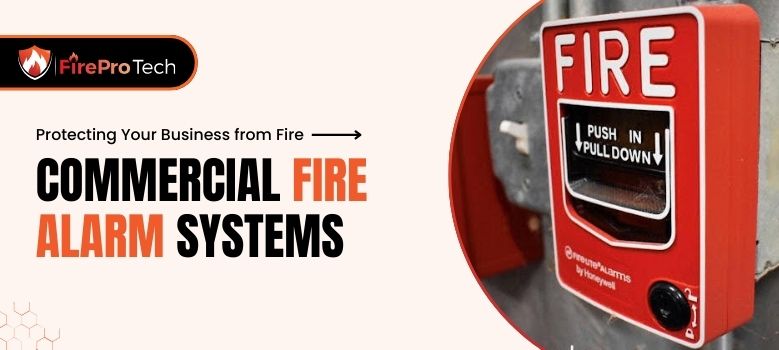
Commercial fire alarm systems are the backbone of workplace fire safety, ensuring businesses can quickly detect, respond to, and mitigate the dangers of fire. Without a reliable alarm system, even a small incident can escalate into a major threat that endangers lives, damages property, and disrupts operations. In modern facilities, fire alarms are not just optional safeguards; they are essential compliance tools that protect employees, customers, and assets.
Every commercial building has unique risks, from electrical equipment to high-occupancy areas. A tailored alarm system ensures those risks are monitored effectively, giving businesses the confidence that they meet safety codes and remain operationally prepared. FirePro Tech, LLC specializes in designing, installing, and maintaining systems that address these challenges, giving organizations peace of mind.
In this guide, we’ll break down how commercial fire alarm systems work, what components they include, and why they are critical for long-term safety and compliance in commercial environments.
Understanding how commercial fire alarm systems function is key to selecting the right setup for your building. These systems combine detection, signaling, and control technologies into a unified safety network. The goal is simple: detect fire as early as possible, alert occupants immediately, and notify emergency responders without delay.
Modern systems are designed to be both intelligent and reliable. Unlike outdated alarms that only respond to smoke, today’s solutions incorporate multiple layers of detection, advanced communication paths, and integration with other safety equipment. Below, we explore the main components and technologies that make these systems effective.
At the heart of every system is the fire alarm control unit. This panel receives signals from detectors, manual pull stations, and other inputs. Once a threat is verified, it activates alarms, strobes, and notifications. Annunciators, often placed near entrances, provide responders with real-time system status and device locations.
Detectors are the eyes and ears of commercial fire alarm systems. Photoelectric sensors excel at detecting smoldering fires, while ionization detectors identify fast-flaming fires. Heat detectors add another layer of protection, especially in areas where smoke is common but fire risk is high, such as kitchens. Carbon monoxide sensors and multi-criteria detectors combine different technologies for enhanced accuracy and fewer false alarms.
Manual pull stations allow anyone to trigger an alarm if they notice fire before detectors do. Waterflow and tamper switches connect to sprinkler systems, ensuring that water discharge or unauthorized valve tampering immediately generates an alert. Supervisory inputs further monitor system health and keep building managers informed of potential impairments.
When an alarm activates, notification appliances alert occupants. Horns and strobes deliver both audible and visual warnings, ensuring people with different needs are informed. In larger or high-occupancy facilities, Emergency Voice/Alarm Communication Systems (EVACS) connected to commercial fire alarm systems broadcast clear evacuation instructions, reducing confusion during emergencies.
Professional monitoring ensures that commercial fire alarm systems are not only heard inside the building but also communicated to emergency responders. A supervising station connects to the system 24/7, dispatching fire services the moment a verified alarm is received.
Communication paths have evolved. While traditional phone lines (POTS) are still used, cellular and IP-based signaling provide faster, more reliable connections that meet modern code requirements. Many businesses use dual-path solutions for redundancy.
To avoid unnecessary fire department responses, commercial fire alarm systems often use alarm verification features. These confirm smoke detector activations through multiple inputs or time delays, significantly reducing costly false alarms while maintaining rapid response capability.
Conventional fire alarm systems divide buildings into zones, identifying general areas of concern. Addressable systems, however, pinpoint exact device locations, allowing responders to know exactly where the threat is.
Addressable commercial fire alarm systems offer superior scalability for large or multi-story buildings. They also provide survivability through networked pathways, ensuring alarms still operate even if part of the system is damaged. While initial installation costs can be higher, their efficiency and precision often justify the investment.
Commercial building fire alarm systems rarely operate in isolation. They are often integrated with other safety and facility management systems. For example, elevators are recalled to safe floors, HVAC systems shut down to limit smoke spread, access control systems unlock doors for evacuation, and sprinklers activate automatically. Emergency lighting Service ensures clear egress paths, while building management systems (BMS) consolidate monitoring into a single platform for facility directors.
Secure with Commercial Fire Alarm Systems Today!
Compliance is one of the most important considerations when installing commercial fire alarm systems. These systems are highly regulated because they directly impact life safety. Every business must follow local building codes, national standards, and the requirements of the Authority Having Jurisdiction (AHJ). Failing to do so can result in fines, delays in occupancy permits, or worse, unsafe conditions that put lives at risk.
FirePro Tech, LLC works closely with business owners, property managers, and facility directors to ensure every installation meets applicable standards. By staying current with changes in regulations and technology, the company ensures that systems are both compliant and reliable.
Building occupancy type is one of the first factors regulators consider. Educational facilities, healthcare environments, high-rise structures, and large assembly spaces almost always require commercial fire alarm systems. Even smaller offices or warehouses may be required to install systems depending on local fire code and the number of occupants.
Code does not apply equally across every space. For example, corridors, stairwells, and mechanical rooms often require automatic detection to ensure evacuation routes remain safe. Certain high-risk areas like kitchens, laboratories, or data centers may require specialized detection methods to reduce hazards unique to those spaces.
Before commercial fire alarm systems installation, detailed shop drawings must be submitted for approval. These drawings illustrate device locations, wiring layouts, control panels, and system functions, providing AHJs with a clear understanding of how the system will operate.
Calculations prove the system can operate even during power loss. These include standby time, alarm load duration, and voltage drops across circuits, ensuring every device will function during emergencies.
The intended behavior of commercial fire alarm systems must be documented. This includes when alarms activate, how HVAC shuts down, and when elevators return to designated floors. AHJs review these sequences to verify life safety priorities are met.
Once installation is complete, record documents provide the building owner with the final as-built drawings and technical details. This documentation helps with inspections, maintenance, and any future system modifications.
Before a certificate of occupancy is granted, AHJs require 100% testing of every initiating and notification device within commercial fire alarm systems. This ensures that detectors, pull stations, strobes, and speakers all operate as intended.
For smoke detectors, sensitivity tests verify that the devices detect smoke within the manufacturer’s listed range. This reduces both nuisance alarms and the risk of failed detection.
Final approval also depends on the building owner receiving as-built documentation and adequate training. This includes instruction on how to silence alarms, acknowledge system events, and contact fire monitoring services. FirePro Tech, LLC provides this training as part of its comprehensive service package, ensuring clients understand their systems thoroughly.
A well-designed fire alarm system does more than meet code—it provides tailored protection for the specific risks within a facility. Fire alarm systems for commercial buildings must be engineered with both safety and usability in mind, ensuring that detection and notification strategies align with how a business operates. Commercial fire alarm systems play a critical role in safeguarding lives and property, making thoughtful design an essential part of long-term safety planning.
FirePro Tech, LLC specializes in design-build services, working with architects, engineers, and owners to create systems that balance compliance, reliability, and cost efficiency. This planning stage is critical for avoiding expensive retrofits and ensuring smooth installation.
The primary objective of commercial fire alarm systems is always life safety. Systems must detect fire quickly, provide intelligible notification, and support fast evacuation. Design decisions are centered on how to move people out of harm’s way as efficiently as possible.
In addition to safeguarding occupants, systems protect the building and its assets. Early warning detection can prevent small incidents from escalating into catastrophic events that cause costly downtime.
Fires disrupt operations long after flames are extinguished. A well-planned system reduces damage and downtime, ensuring businesses can recover faster and maintain customer confidence.
Traditional commercial fire alarm systems use horns and strobes, which provide basic alerts. However, voice evacuation systems take safety further by delivering clear instructions during an emergency. These systems guide people to exits, reducing panic and confusion.
For voice systems, intelligibility is crucial. Speakers must be placed strategically to ensure messages are understandable even in noisy environments. The design process accounts for acoustics, background noise, and room layout.
Commercial fire alarm systems must continue to function during power loss. Backup batteries provide standby operation for at least 24 hours, followed by a minimum of five minutes in full alarm mode.
Notification Appliance Circuits (NACs) and Signaling Line Circuits (SLCs) connect devices to the control panel. Proper design ensures adequate capacity and redundancy, reducing the chance of system failure.
In large facilities, survivability is key. Redundant circuits and multiple communication paths ensure the system remains operational even if one pathway is damaged by fire or other hazards.
For organizations managing multiple buildings, networked commercial fire alarm systems allow centralized monitoring. This enables facility directors to oversee alarms across an entire campus from one location.
Networked systems often use gateways to connect different panels and synchronize time-stamped events. Accurate records help identify when alarms occur and how quickly staff responded.
Remote annunciators placed in security offices or command centers provide additional layers of visibility. These devices allow staff to respond quickly without being at the main control panel, improving overall system responsiveness.
Protect Now with Commercial Fire Alarm Systems!
The process of installing commercial fire alarm systems is as critical as their design. Even the best plans can fall short if the installation is rushed or performed incorrectly. Proper execution ensures that every device works as intended, integrates smoothly with other building systems, and passes inspection with the Authority Having Jurisdiction. FirePro Tech, LLC provides full-scope installation services, guiding businesses from initial site surveys through final approval and turnover.
Every project begins with a detailed site survey. This step evaluates building architecture, occupancy type, and unique fire risks. Accurate device layout prevents coverage gaps and ensures compliance with code.
Procurement is more than ordering parts. It involves verifying compatibility between panels, detectors, notification devices, and monitoring equipment. Materials are staged strategically so that field crews can install them efficiently, reducing delays.
During commercial fire alarm systems installation, technicians run cabling through conduit to protect it from physical damage. Proper wiring methods, bend radii, and termination techniques ensure long-term system reliability and compliance with safety standards.
Detectors, pull stations, and strobes must be mounted at precise heights and locations specified by code. Each device is labeled clearly so maintenance teams can easily identify and test them later.
Addressable systems require proper programming of device addresses. Incorrect configuration can cause communication failures, making this step essential for accurate monitoring and event reporting.
Before commercial fire alarm systems go live, every device undergoes functional testing. Smoke and heat detectors are checked for sensitivity to ensure they trigger alarms at the correct thresholds. Notification appliances are also tested for audibility and visibility.
Voice evacuation systems must be tested for intelligibility. Pre-recorded messages are played to confirm clarity. At the same time, system sequences are validated to ensure that HVAC shutdowns, elevator recalls, and access control overrides occur exactly as designed.
Upon completion, FirePro Tech, LLC provides owners with operation and maintenance manuals for commercial fire alarm systems. These documents include wiring diagrams, device specifications, and testing results.
Training ensures staff can respond to alarms, acknowledge signals, and manage impairments. Any deficiencies found during acceptance testing are corrected before closeout, leaving the owner with a fully compliant system.
The AHJ grants final approval only after all documentation, testing, and training are complete. This sign-off certifies that the commercial building fire alarm systems are ready for full operational use.
Selecting the best commercial fire alarm systems requires more than comparing features. Businesses must consider their current needs, long-term growth, and integration with other safety systems. FirePro Tech, LLC guides clients through this evaluation, ensuring the chosen system not only meets code but also provides value for years to come.
Systems equipped with multi-criteria detection combine smoke, heat, and carbon monoxide sensing in a single device. This reduces nuisance alarms and ensures quicker response to different types of fire.
As businesses expand, so must their fire protection services. The best commercial fire alarm systems are scalable, allowing additional devices, floors, or even buildings to be added without replacing the entire infrastructure.
Modern systems often use IP connectivity. While this increases speed and flexibility, it also raises cybersecurity concerns. Reliable systems feature encrypted communication paths and secure monitoring options.
Systems built on open protocols integrate easily with other building systems. This allows seamless connection to sprinklers, HVAC, access control, and emergency lighting without locking owners into a single manufacturer.
Older commercial fire alarm systems may not support advanced features like addressable detection or voice evacuation. While retrofitting can extend their life, eventually replacement becomes more cost-effective.
Some systems allow migration by adding expansion modules. This can extend usability while preparing for future replacement. FirePro Tech, LLC helps owners evaluate whether to retrofit or fully replace, depending on cost and compliance factors.
Fire alarm systems in commercial buildings are increasingly expected to integrate with building management systems. Application Programming Interfaces (APIs) make this possible, allowing a centralized view of fire, security, and facility operations.
The best commercial fire alarm systems go beyond basic detection. They automatically recall elevators, unlock access-controlled doors, and activate emergency ventilation controls, creating a safer evacuation process.
Beyond features, reliability is the defining factor. FirePro Tech, LLC ensures that every system recommended and installed is chosen for its proven performance in commercial environments, reducing risk and supporting long-term compliance.
Once commercial fire alarm systems are installed, they cannot simply be left alone. Regular inspection, testing, and maintenance are essential to keep them reliable and code-compliant. These activities confirm that every component operates as designed and that the system remains ready to protect people and property at all times. FirePro Tech, LLC provides end-to-end maintenance programs that reduce risk and ensure ongoing compliance with all applicable standards.
Fire codes and standards mandate specific intervals for inspection, testing, and maintenance. For example, control panels, initiating devices, and notification appliances often require monthly visual checks, quarterly functional testing, and annual comprehensive evaluations. These schedules are not optional; they are necessary to keep commercial fire alarm systems fully operational.
While building owners are responsible for maintaining systems, service providers like FirePro Tech, LLC perform the technical inspections and document compliance. This partnership ensures accountability and peace of mind for facility managers.
Preventive maintenance of commercial fire alarm systems goes beyond compliance. By cleaning detectors, checking wiring integrity, and updating software, technicians can catch problems early. This proactive approach extends system life and reduces unexpected failures.
False alarms disrupt operations, waste fire department resources, and create unnecessary panic. Proper maintenance minimizes these issues by ensuring detectors are correctly calibrated and free from dust, dirt, or environmental interference. Commercial building fire alarm systems that receive regular servicing are far less likely to generate false activations.
An impairment occurs when part of commercial fire alarm systems is not functional. Whether caused by construction, electrical issues, or environmental damage, impairments must be documented, reported, and resolved quickly to avoid leaving the building unprotected.
Troubleshooting involves isolating faults, verifying wiring, and reprogramming devices as needed. Skilled technicians at FirePro Tech, LLC are trained to resolve problems efficiently, reducing downtime and ensuring safety is restored promptly.
Accurate documentation is critical. Every inspection, test, and repair must be recorded in compliance logs, which may be reviewed by AHJs during audits. These records also help owners track long-term system performance and budget for upgrades.
Investing in commercial fire alarm systems is both a regulatory requirement and a financial decision. While upfront costs can vary depending on system size and complexity, the long-term benefits often outweigh initial expenses. When designed and installed correctly, these systems provide not only life safety but also financial protection by minimizing fire-related losses and insurance liabilities.
The size of the facility and the number of devices required are two of the biggest cost factors for commercial fire alarm systems. Larger buildings with multiple floors, zones, or high-occupancy spaces demand more detectors, pull stations, and notification appliances, which increases both equipment and labor costs.
Voice evacuation systems (EVACS) add to the cost but also provide enhanced safety by delivering intelligible instructions during emergencies. Complex system features such as multi-criteria detection or advanced networking also affect pricing but deliver long-term value.
Cabling, conduit, and integration with sprinklers, HVAC, and access control systems represent additional costs. However, integration ensures a coordinated emergency response, which reduces potential damage and liability.
The initial installation cost of commercial fire alarm systems includes design, materials, labor, programming, and acceptance testing. While this is a one-time investment, its quality determines how reliable the system will be for years to come.
Recurring costs include professional monitoring, periodic inspections, and ongoing maintenance. These expenses are necessary for compliance but also serve as an insurance policy, ensuring that commercial building fire alarm systems remain fully functional.
The total cost of ownership for commercial fire alarm systems goes beyond installation and monitoring. It considers battery replacements, software upgrades, and eventual system replacements. FirePro Tech, LLC helps businesses create lifecycle plans that budget for these expenses well in advance.
Reliable systems reduce liability exposure and can even lower insurance premiums. Insurers recognize the value of properly maintained systems, often rewarding proactive owners with reduced rates.
The return on investment comes not only from compliance and insurance savings but also from business continuity. Preventing a major fire event or minimizing downtime can save millions in lost productivity and damaged assets. Commercial fire alarm systems, when managed correctly, provide unmatched financial and operational value.
Even the most advanced commercial fire alarm systems cannot save lives if building occupants are not prepared to respond. Emergency readiness is about ensuring that staff understand how to react when alarms sound, how evacuation routes function, and what role they play in maintaining safety. FirePro Tech, LLC emphasizes not just technology but also training, helping businesses create a culture of readiness that complements the reliability of their systems.
A response plan outlines the steps to be taken when a fire alarm activates. This includes notifying emergency responders, directing occupants to evacuation routes, and shutting down critical equipment. Having clear procedures prevents confusion and ensures that everyone knows what to do.
Regular fire drills are essential to reinforce response plans. Drills familiarize staff with exits, stairwells, and assembly points. They also provide a chance to evaluate how well commercial fire alarm systems perform during actual evacuations, ensuring strobes, horns, and voice evacuation messages are effective.
Evacuation maps posted throughout the building give occupants visual guidance during an emergency. These maps must be updated whenever renovations occur to reflect changes in exits, stairwells, or assembly areas. When paired with reliable alarm systems, evacuation mapping ensures no one is left without direction.
Well-prepared businesses coordinate with local fire departments before emergencies occur. Providing access codes, key boxes, and system documentation speeds up response times once commercial fire alarm systems are activated.
In large facilities, mass notification systems extend beyond horns and strobes. They deliver targeted announcements through speakers, digital signage, or mobile alerts. Integration with fire alarm systems in commercial buildings ensures that everyone receives timely and accurate instructions.
Read Also: Choose Right Business Fire Alarm Systems for Your Company
Commercial fire alarm systems require more than just a one-time installation. They demand ongoing care, technical expertise, and a provider who understands both compliance requirements and real-world building operations. FirePro Tech, LLC offers complete fire alarm services, from design and installation to inspections, maintenance, and 24/7 support. Partnering with a trusted provider ensures that systems remain dependable for years to come.
FirePro Tech, LLC delivers turnkey services for fire alarms. This includes design-build engineering, fire alarm system installation, commissioning, professional monitoring, and ongoing repairs. Having all services under one provider eliminates gaps that can occur when multiple contractors are involved.
By managing projects from start to finish, FirePro Tech, LLC ensures that commercial fire alarm systems are installed correctly, pass inspection, and integrate smoothly with other building safety systems.
FirePro Tech, LLC has extensive experience working across a variety of industries, from high-rise buildings and warehouses to healthcare and educational facilities. Each environment presents unique risks, and the company tailors solutions accordingly.
Clients can depend on FirePro Tech, LLC for commercial fire alarm systems that are not only code-compliant but also operationally reliable. This reduces the risk of downtime, false alarms, or costly compliance violations.
Regulatory compliance involves more than just annual inspections. It requires detailed recordkeeping and ongoing communication with AHJs. FirePro Tech, LLC manages this process for clients, ensuring documentation is always up to date and accessible.
Fires and emergencies do not follow a schedule. That is why FirePro Tech, LLC offers 24/7 support for commercial fire alarm systems, giving building owners and managers peace of mind that help is always available.
Modern buildings often use multiple systems—sprinklers, HVAC, access control, and emergency lighting—that must work together during an emergency. FirePro Tech, LLC specializes in integrating commercial fire alarm systems with these technologies, creating a cohesive safety network that responds effectively to fire incidents.
As businesses grow or renovate, their fire safety needs evolve. FirePro Tech, LLC designs scalable solutions that adapt to expansion, ensuring systems remain relevant and effective long into the future.
Commercial fire alarm systems are more than just a code requirement—they are the foundation of workplace safety and business continuity. A properly designed, installed, and maintained system provides early detection, clear communication, and reliable evacuation support, ensuring that lives and property are protected. For businesses, these systems also represent a smart investment that reduces liability, lowers insurance costs, and supports compliance with ever-evolving fire safety standards.
Working with a trusted provider makes all the difference. FirePro Tech, LLC delivers complete fire alarm services, handling everything from design and installation to inspections, maintenance, and monitoring. With the right systems in place and the right team supporting them, businesses can operate confidently knowing their people and facilities are safeguarded by proven solutions.
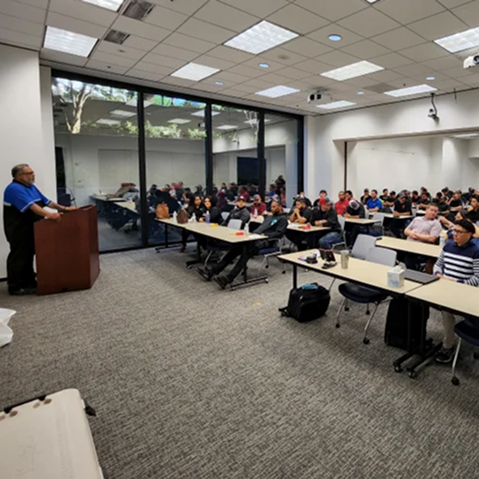
Commercial fire alarm systems are networks of devices designed to detect fire and alert building occupants while notifying emergency responders. They combine detectors, manual pull stations, notification appliances, and control panels to provide early warning and coordinated evacuation. FirePro Tech, LLC specializes in designing systems that integrate with sprinklers, HVAC, and access control for a complete safety solution that keeps businesses protected.
The main components include smoke and heat detectors, carbon monoxide sensors, manual pull stations, control panels, notification appliances such as strobes and horns, and monitoring connections. Each device plays a role in identifying hazards and alerting occupants. FirePro Tech, LLC ensures that every installation includes the right components for the specific risks present in a facility, keeping systems compliant and dependable.
Conventional systems divide buildings into zones, while addressable systems allow every device to be individually identified. Addressable systems provide faster response times, detailed system diagnostics, and greater scalability for large or complex buildings. FirePro Tech, LLC helps clients determine which system type best fits their facility, ensuring a balance between budget, performance, and future growth.
Costs vary based on building size, device density, voice evacuation needs, and integration with other systems. Smaller projects may cost less, while large-scale or complex systems can represent a significant investment. FirePro Tech, LLC works with businesses to create accurate budgets and lifecycle cost plans, helping owners understand both one-time installation expenses and ongoing service costs.
Yes, most commercial buildings are required to have commercial fire alarm systems by code. Requirements depend on occupancy type, building height, and number of occupants. Educational facilities, healthcare centers, and high-rise buildings almost always require them. FirePro Tech, LLC ensures that systems meet both local code requirements and national standards, helping businesses avoid costly compliance issues.
Commercial building fire alarm systems must be inspected and tested regularly according to fire codes and NFPA standards. This often includes monthly checks, quarterly functional testing, and annual comprehensive inspections. FirePro Tech, LLC offers scheduled inspection and maintenance programs that ensure systems remain compliant and operational at all times.
Yes, monitoring is essential to ensure that when alarms activate, emergency responders are dispatched immediately. Professional monitoring provides round-the-clock coverage and prevents delays in response. FirePro Tech, LLC connects clients’ systems to professional monitoring centers, ensuring reliable communication with first responders during any fire event.
Most commercial fire alarm systems last between 10 to 15 years, though regular maintenance and component replacement can extend their life. Over time, updates in code, new technology, and building expansions may require upgrades or full replacements. FirePro Tech, LLC helps businesses plan for system lifecycles, ensuring fire safety solutions remain effective and compliant for the long term.
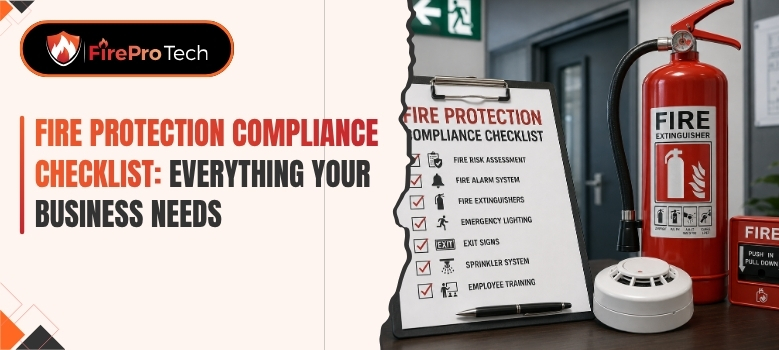
Fire protection compliance checklist planning can help your business find missed inspections, unresolved deficiencies, incomplete records, and system conditions that may affect safety or approval.
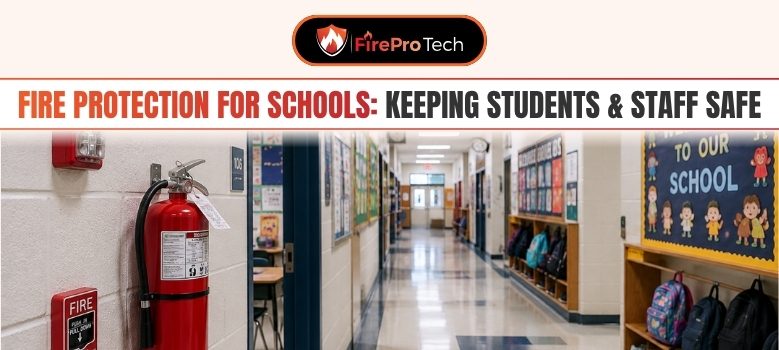
Fire protection for schools is a daily responsibility for administrators, facility managers, and school leaders who must protect students, staff, visitors, and the continuity of education.
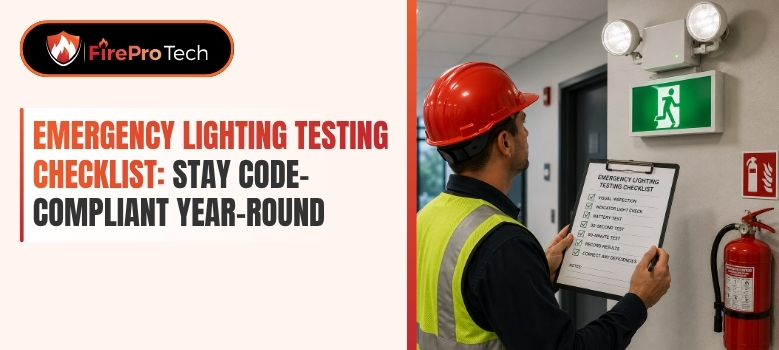
Emergency lighting testing checklist work can become difficult to manage when exit fixtures are spread across several floors, tenant spaces, stairwells, corridors, and exterior discharge paths.