

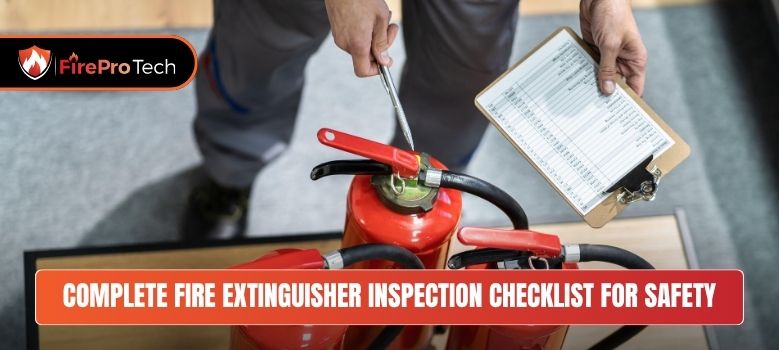
A strong fire extinguisher inspection checklist is the foundation of a safe, compliant, and well-prepared facility. When you take the time to verify that your extinguishers are in proper condition, you reduce response time during an emergency, protect building occupants, and maintain alignment with essential fire protection standards. FirePro Tech, LLC helps facility teams understand what to look for, how often to check each device, and how to turn inspections into a smooth, predictable routine.
A reliable process starts with clarity. Many facility managers struggle to understand the differences between monthly checks, annual service, and full maintenance procedures. Others aren’t sure how to document inspections or what details belong on inspection tags. This guide breaks down each element so you know exactly what steps to take and why each step matters.
Clear, organized inspections help you avoid costly service gaps, extend the life of your equipment, and build confidence among your team. Whether you oversee a single building or a multi-facility operation, a strong inspection routine ensures your extinguishers are ready the moment you need them most.
FirePro Tech, LLC supports building owners, safety officers, and property managers by offering dependable fire extinguisher services that align with the practical insights shared in this guide. With the right knowledge and the right partner, your safety program becomes easier to manage and far more effective.
A thorough fire extinguisher inspection checklist gives your team a clear roadmap for evaluating every unit in your facility. It aligns your internal processes with industry standards and prepares you for official reviews, safety audits, and emergency events. Each component in the checklist contributes to keeping extinguishers easy to reach, simple to operate, and ready for immediate use.
Routine inspection is more than a compliance step; it is a critical safety habit. Fire extinguishers are only as reliable as their last inspection. When their condition is unknown or unchecked, response time and performance both weaken. FirePro Tech, LLC encourages monthly and annual evaluations to ensure ongoing readiness.
Codes and safety regulations require extinguishers to be maintained and inspected regularly. When your team follows a structured process, you reduce the chance of violations and help ensure your facility meets the expectations of safety authorities and insurance providers.
Inspections catch early signs of wear, damage, or pressure loss that could prevent proper discharge during an emergency. Addressing issues before they escalate helps your extinguishers function smoothly when seconds matter most.
National and local requirements shape how your fire extinguisher inspection checklist should be structured. These guidelines determine inspection intervals, documentation, and equipment conditions.
NFPA 10 outlines how extinguishers must be selected, installed, inspected, and maintained. It defines the minimum expectations for visual checks, annual service, hydrostatic testing, and tag updates. Understanding these basics helps your team stay consistent and compliant.
OSHA rules support workplace safety by requiring accessible, operable extinguishers throughout your facility. While local codes and Authorities Having Jurisdiction add another layer of oversight, each focuses on making sure your fire protection companies equipment stays reliable.
Different inspection types serve different purposes. A solid fire extinguisher inspection checklist should include each category so your team knows when to escalate a finding or call a professional.
A monthly fire extinguisher inspection checklist typically focuses on quick visual checks that confirm accessibility, pressure, labeling, and general condition. Your team performs these inspections in-house to ensure readiness between annual visits.
Annual inspections require technical knowledge and specialized tools. FirePro Tech, LLC performs these evaluations to confirm that discharge mechanisms, internal components, and external hardware meet all safety standards.
Any extinguisher that has been used—even briefly—must be professionally recharged or replaced. A post-use inspection ensures the unit is ready before it returns to service.
Before you can apply any fire extinguisher inspection checklist effectively, you need a clear understanding of the equipment installed throughout your facility. The type, size, rating, and placement of each extinguisher directly influence how it should be inspected and what your team should expect to see during a routine check. FirePro Tech, LLC emphasizes this foundational knowledge because it helps eliminate guesswork and ensures that every unit receives the correct level of attention.
Understanding your extinguishers also simplifies documentation during monthly and annual evaluations. When your team knows what belongs in each location and why specific extinguishers are selected for different hazards, your inspection process becomes more organized and far easier to manage.
Extinguishers vary by their intended purpose, their extinguishing agent, and the classes of fire they are designed to fight. Before completing a fire extinguisher inspection checklist, your team should be familiar with how each unit is classified.
These units are the most common because they handle multiple fire types. Since they are widely distributed throughout many facilities, they usually make up most of what your team inspects each month.
These extinguishers are specially designed for cooking oil and high-heat kitchen fires. They require consistent accessibility and careful placement to ensure rapid response in commercial cooking environments.
CO₂ extinguishers are often found in areas with electrical equipment or sensitive materials. Their lack of a pressure gauge means part of the inspection involves verifying weight rather than simply checking a dial.
Water-based extinguishers handle Class A fires, while foam variants extend capabilities into Class B hazards. Their tanks, nozzles, and labels require careful examination to ensure proper performance.
A fire extinguisher inspection checklist is only useful when extinguishers are correctly matched to the hazards they protect. If a unit is out of place, your inspection should flag it for relocation or replacement. FirePro Tech, LLC frequently assists teams in evaluating hazard zones and confirming that the right extinguishers are installed where they are needed most.
Certain spaces have unique risks—mechanical rooms, electrical panels, kitchens, and storage areas often require specific extinguisher types. Inspections should always verify that these high-risk zones have the correct equipment.
Extinguishers must be spaced and located according to fire risk, visibility, and accessibility requirements. If distance or obstructions prevent quick access, your inspection should include a note for correction.
Proper placement makes a major difference during an emergency. Every fire extinguisher inspection checklist should confirm that the unit is easy to reach, clearly visible, and mounted at the correct height.
Extinguishers should never be hidden behind furniture, décor, or equipment. If users can’t locate a unit quickly, the inspection must indicate that adjustments are needed.
Extinguishers must be mounted securely, with the handle at a height that allows fast, safe access. Loose brackets or improper mounting positions must be corrected immediately.
Inspectors should verify that users can reach the extinguisher without obstacles. This step seems simple, but it is one of the most commonly overlooked issues during routine checks.
A well-structured monthly evaluation ensures that every extinguisher remains ready for use between annual professional appointments. The monthly process is simple, but it must be completed carefully to avoid missing critical details. A consistent fire extinguisher inspection checklist helps streamline the process so your team knows exactly what to do and what to document. FirePro Tech, LLC encourages teams to treat monthly inspections as a routine safety practice rather than a task performed only for compliance.
The first stage of a monthly inspection involves a quick but thorough visual scan. This step helps identify obvious issues that could limit performance during an emergency.
Inspectors should verify that the extinguisher is in its designated location, secured properly, and immediately accessible without moving equipment or storage items.
Exterior conditions reveal a great deal about an extinguisher’s readiness. Dents, rust, chemical residue, or signs of tampering indicate that the unit may not function correctly and should be removed from service.
The internal condition of an extinguisher determines whether it will discharge effectively. A monthly inspection must confirm that pressure levels and weight meet safety standards.
For units with gauges, inspectors confirm that the needle rests in the green operating range. Any deviation means the extinguisher requires professional evaluation.
Units like CO₂ extinguishers rely on weight checks rather than pressure gauges. If the weight falls below manufacturer specifications, the extinguisher must be serviced immediately.
Hardware components directly impact the extinguisher’s ability to operate. A fire extinguisher inspection checklist must include a detailed look at these elements.
Inspectors should confirm that handles move freely, nozzles are unobstructed, and hoses show no cracking or brittleness.
A missing or broken tamper seal may indicate unauthorized use. Inspections must confirm that safety pins are intact and secure.
Labels guide users during emergencies. Monthly inspections must confirm that these remain readable and complete.
If dirt or wear prevents users from reading the instructions, the extinguisher should be cleaned or replaced depending on label condition.
Labels must display clear steps for operation. If labels are faded or peeling, documentation is required so the unit can be serviced.
Accurate documentation is as important as the inspection itself. Records allow your safety team and third-party inspectors to track trends and identify long-term issues.
Your form should include location details, inspector initials, date of inspection, and all observations recorded during the review. A standardized form reduces errors and makes audits easier to manage.
Inspectors should sign and date the tag on each extinguisher after completing the evaluation. FirePro Tech, LLC emphasizes correct tagging because it provides a quick, reliable snapshot of the extinguisher’s service history.
Annual service requires a deeper and more technical review than the tasks found in your monthly routine. While your team can confidently complete visual checks, pressure verification, and accessibility assessments, the annual process must be handled by a trained technician. A professional evaluation ensures every extinguisher meets the performance, safety, and compliance requirements that keep your facility protected. FirePro Tech, LLC completes these evaluations with precision, using a structured fire extinguisher inspection checklist that aligns with industry expectations and long-term safety needs.
Annual inspections focus on internal components, service life limitations, mechanical integrity, and testing procedures that go far beyond what a visual review can detect. This level of assessment helps identify hidden issues that may cause extinguishers to fail when activated. Without these technical checks, even a unit that appears perfectly normal on the outside could still be unsafe or unreliable.
An annual review ensures extinguishers are not only present and functional but also structurally sound. A fire extinguisher inspection checklist used at the professional level verifies that the unit can withstand pressure, discharge properly, and operate reliably under stress.
A certified technician evaluates internal components to confirm they remain clean, free from corrosion, and structurally intact. If pressure has dropped or contents are compromised, the extinguisher must be refilled or recharged to restore full operational capability.
Hydrostatic testing evaluates structural strength by pressurizing the cylinder beyond normal operating limits. This test ensures that the extinguisher will not rupture during an emergency. Based on the results, a unit may pass, require repair, or be retired from service altogether.
Facilities with large inventories of extinguishers must maintain strict oversight. A detailed fire extinguisher inspection checklist helps businesses track service intervals, testing dates, and areas requiring additional attention. FirePro Tech, LLC assists property teams by organizing these large-scale evaluations and documenting each step for safety officials.
A licensed professional is required anytime internal components must be serviced. This includes recharging, hydrostatic testing, repair, or replacement of damaged parts. Professional service also ensures full compliance with regulatory rules.
Many businesses prefer to schedule extinguisher inspections alongside annual checks for alarms, sprinklers, and kitchen suppression systems. This combined approach reduces downtime and simplifies documentation.
A long-term maintenance program gives your team a predictable routine that spans the entire service life of each extinguisher. A well-designed fire extinguisher inspection checklist becomes the core of this program, guiding decisions on replacement cycles, upgrades, and equipment planning.
Accurate records help identify patterns such as recurring pressure loss or damage in specific areas of your facility. These insights guide long-term budgeting and safety improvements.
Your maintenance plan should reflect monthly, annual, and long-term service expectations. FirePro Tech, LLC helps teams blend all three into a streamlined program that keeps extinguishers reliable year-round.
Inspection tags and records provide essential documentation that confirms each unit has been reviewed on schedule. They also serve as a quick reference during audits, risk assessments, and emergency planning exercises. A structured fire extinguisher inspection checklist should always include proper tagging and documentation procedures because these records verify the full service history of each extinguisher. FirePro Tech, LLC trains facility teams to maintain accurate logs so inspectors, technicians, and safety officials can see exactly when each unit was checked and what actions were taken.
Documentation also acts as a safeguard. If an extinguisher fails or appears damaged, a properly filled tag can reveal whether the issue arose between inspections or was missed during a prior evaluation. This clarity helps organizations improve their internal processes and avoid compliance gaps.
Inspection tags provide a month-by-month record of evaluations. They indicate when each extinguisher was checked and identify who performed the inspection.
A complete tag includes the inspection date, initials of the inspector, the extinguisher’s location details, and any observations noted during the review. It may also include service codes for actions such as recharge, replacement, or hydrostatic testing.
During every monthly check, the inspector signs and dates the tag immediately after completing the review. Consistency is important because a missing or incomplete tag may be interpreted as skipped maintenance.
Many organizations now use digital tools to manage inspection logs alongside traditional paper tags. Whether your team chooses paper or digital records, accuracy is essential.
Digital tools simplify tracking across large facilities and reduce the risk of lost documents. Paper logs remain widely used because they are easy to update on the spot and require no additional equipment. FirePro Tech, LLC supports either method and helps teams design documentation systems that match their operational needs.
Inspection officials often ask for records during routine assessments. Organized logs—digital or paper—make these reviews easier, faster, and far more efficient.
Documentation errors can weaken even the strongest fire extinguisher inspection checklist. Common issues include missing initials, skipped dates, unclear service notes, or tags that are illegible due to dirt or fading. Each of these problems can create confusion during safety reviews. FirePro Tech, LLC encourages teams to regularly check their tags and replace any that show wear or become difficult to read.
Understanding cost expectations helps facility managers build predictable budgets and long-term safety programs. While each building’s needs vary, most expenses relate directly to the number of extinguishers, their age, their condition, and the environment in which they operate. A fire inspection company serves as the framework your team uses to identify issues early, control expenses, and reduce the likelihood of costly emergency repairs. FirePro Tech, LLC structures service plans with transparency, allowing organizations to plan ahead with confidence.
A clear financial plan protects both safety and budgets. When inspections happen as scheduled, problems are discovered before they escalate, restoring readiness without unnecessary downtime. With a structured approach, you create a cycle that supports compliance, reduces risk, and eliminates avoidable surprises.
Many elements influence how much your inspection program will cost over time. Understanding these factors helps ensure your budget remains aligned with actual safety needs.
As the number of extinguishers increases, so does the time required for proper evaluation. Larger or specialized units may require additional labor. Units placed in hard-to-reach areas add time to each inspection, while damaged extinguishers may require immediate service or replacement.
Professional evaluations may reveal internal issues such as pressure loss or worn components. These repairs add to the total cost. Some facilities also require evening or weekend scheduling, which can influence service rates.
Monthly visual inspections are simple, quick, and well suited for in-house teams. However, annual evaluations and internal servicing should always be completed by a qualified technician. A fire extinguisher inspection checklist can guide your staff through routine steps, but professional work ensures accuracy and compliance.
Your team can verify device placement, pressure levels, labeling, and accessibility using the same method each month. This creates a strong safety rhythm that supports long-term reliability.
Internal examinations, recharging, hydrostatic testing, and complex repairs require certified professionals. FirePro Tech, LLC provides these services with precision to keep equipment functioning at its highest standard.
Organizations often start with simple online research when evaluating service providers. While search results help, a detailed conversation with a qualified company gives you the most accurate estimate.
You should understand what each service includes, what documentation you will receive, and how future maintenance will be scheduled. A reliable provider explains every step clearly.
FirePro Tech, LLC bases pricing on the number of units, service needs, and inspection complexity. Our structured programs help keep costs predictable while ensuring total compliance.
Call Now for Reliable Fire Inspection Assistance
A consistent program built around a clear fire extinguisher inspection checklist helps ensure long-term readiness. When every member of the safety team understands their role and follows the same procedures, the entire facility becomes safer and easier to manage. FirePro Tech, LLC works with businesses to create inspection routines that blend seamlessly into daily operations while meeting regulatory expectations.
A strong program does more than guide inspections. It helps unify equipment placement, documentation, training, and planning. When every extinguisher is tracked, inspected, and maintained on schedule, the risks of downtime or malfunction decrease significantly.
The best inspection programs are the ones that operate consistently. Clear steps, predictable intervals, and ongoing communication help ensure nothing is overlooked. When teams follow the same checklist every month and every year, inspections become smooth and manageable.
Training ensures that staff members know how to identify issues and report concerns. When your team understands extinguisher types, inspection steps, and documentation standards, every review becomes faster and more accurate. FirePro Tech, LLC supports training by helping teams build confidence in their inspection responsibilities.
Extinguishers operate as part of a broader fire protection network. When they are coordinated with alarms, sprinklers, suppression systems, and emergency lighting, the entire environment becomes safer. This coordinated approach improves emergency response and reduces the likelihood of uncontrolled incidents.
FirePro Tech, LLC provides ongoing guidance, professional evaluations, maintenance support, and documentation management. Our team helps facilities integrate monthly, annual, and long-term procedures into a single cohesive program. With a structured fire extinguisher inspection checklist at the center of your routine, your facility remains ready, compliant, and well protected throughout the year.
Read Also: Essential Importance of Fire Risk Assessment for Safety
A strong fire extinguisher inspection checklist gives your facility a dependable safety rhythm. When every extinguisher is evaluated consistently, documented accurately, and serviced on time, the entire environment becomes safer and easier to manage. FirePro Tech, LLC supports organizations by helping them understand what each step requires and how to keep their equipment ready for emergency use.
Your inspection routine should always include a clear understanding of extinguisher types, correct placement, physical condition, pressure levels, and documentation requirements. By following these steps, your safety team improves overall readiness and reduces the chance of failure during a fire emergency lighting service.
A fire extinguisher inspection checklist should evolve over time. As your building changes, as equipment ages, or as new regulations appear, your process must adapt. Reviewing your program quarterly helps ensure your inspections stay aligned with actual conditions inside the facility.
FirePro Tech, LLC offers inspection services, maintenance programs, documentation support, and long-term planning assistance. When you partner with our team, your extinguisher program becomes predictable, compliant, and easier to manage. Together, we help you create a safer environment supported by ongoing training and professional guidance.
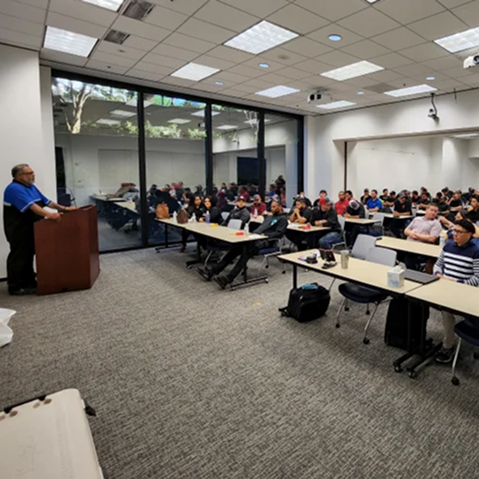
A standard fire extinguisher inspection checklist includes verifying physical condition, confirming proper placement, checking pressure levels, reviewing labels, confirming accessibility, and updating inspection tags. FirePro Tech, LLC encourages consistent monthly and annual reviews so each extinguisher stays in ready condition and meets all safety and compliance standards required for reliable operation.
Monthly inspections can be performed by trained in-house staff, while annual examinations must be completed by a certified technician. The fire extinguisher inspection checklist helps guide both levels of review. FirePro Tech, LLC performs professional annual service and supports teams in learning the steps required for monthly evaluations to keep every unit ready for emergency use.
Monthly inspections include confirming the extinguisher’s location, checking for physical damage, verifying pressure or weight, reviewing labels, and updating the inspection tag. These steps form the core of a fire extinguisher inspection checklist. FirePro Tech, LLC helps safety teams understand each step so inspections become consistent and easy to manage throughout the year.
An inspection focuses on external condition, pressure levels, and accessibility, while a full maintenance service includes internal evaluation, recharging, hydrostatic testing, and component repair. A fire extinguisher inspection checklist guides basic checks, but maintenance requires certified professionals. FirePro Tech, LLC delivers both services to ensure ongoing reliability.
Costs vary based on the number of units, the type of extinguishers, and the condition of each device. A detailed fire extinguisher inspection checklist helps identify which units need simple inspection and which require additional service. FirePro Tech, LLC provides clear pricing and structured programs that help businesses plan inspections without unexpected expenses.
Tags and logs include dates, initials, location, and any findings noted during inspection. A fire extinguisher inspection checklist ensures complete and consistent documentation. FirePro Tech, LLC helps organizations maintain accurate records so safety officials and auditors can easily verify inspection history and compliance.
Building staff may complete monthly visual checks if they follow the correct steps. However, annual servicing and technical evaluations require a certified technician. A fire extinguisher inspection checklist gives in-house teams the structure they need, while FirePro Tech, LLC provides the professional support needed for complex service requirements.
FirePro Tech, LLC supports organizations by offering monthly, annual, and long-term service programs. Our approach blends documentation, training, professional evaluations, and structured procedures built around a clear fire extinguisher inspection checklist. This combination ensures your extinguishers remain reliable and fully compliant throughout their service life.
Fire safety is a major concern for business owners in Houston and surrounding communities, where...
In Houston and nearby areas, a thorough fire code inspection is more than just a...
Ensuring fire safety in Houston and surrounding areas begins with understanding the essential fire extinguisher...