

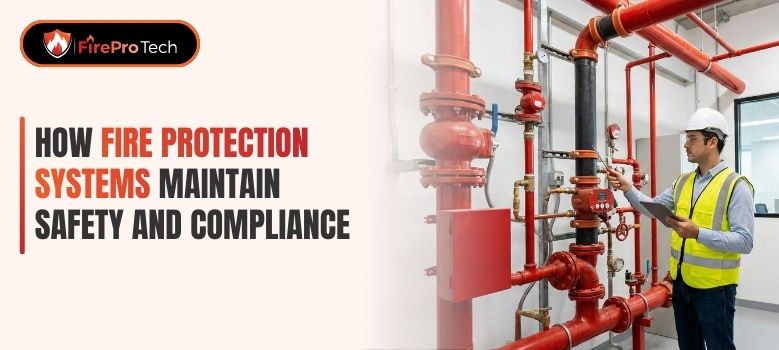
A fire protection system is the foundation of safety, continuity, and regulatory compliance in modern buildings, whether you manage a small commercial space or a large industrial facility. When designed and maintained correctly, it acts like a silent safety net, always ready to respond even when no one else can. Too often, property owners only think about fire protection after an incident or a failed inspection, but by then the risks and costs are already higher than they should be.
At its core, a fire protection system does more than meet code requirements. It protects people who occupy the building every day, safeguards valuable assets, and helps businesses avoid costly downtime. From offices and warehouses to healthcare and retail environments, these systems play a direct role in keeping operations running safely and predictably. In a major market like Houston, where buildings vary widely in age and use, having reliable fire protection services in place is not optional; it is a responsibility.
FirePro Tech, LLC works closely with business owners and facility managers to help them understand how fire protection connects safety with compliance. Many compliance failures do not happen because systems are missing, but because they are misunderstood, poorly maintained, or incorrectly integrated. This article breaks down how fire protection systems function, why they matter, and how they support both life safety and long-term regulatory compliance.
A fire protection system is not a single device or piece of equipment. It is a coordinated network of components designed to detect fire early, control or suppress it quickly, and alert occupants and emergency responders without delay. When these elements work together as intended, they reduce the spread of fire, limit smoke damage, and give people time to evacuate safely.
A fire protection system relies on both active and passive protection measures to perform effectively. Active components are the parts that respond when a fire occurs. These include detection devices, alarm signals, and systems that actively control or suppress flames. Passive protection, on the other hand, is built into the structure itself. Fire-rated walls, doors, and compartmentalization slow the spread of fire and smoke, buying critical time.
Without passive protection, even the most advanced fire protection system can struggle to contain a fast-moving fire. Without active systems, passive features alone cannot detect a fire early or alert occupants. FirePro Tech, LLC often sees buildings where one side of this balance is neglected, leading to avoidable compliance issues and higher risk during emergencies. In Houston’s diverse commercial landscape, both elements must be evaluated together to ensure full protection.
A fire suppression system plays a critical role within a fire protection system by actively controlling or extinguishing a fire at its source. Unlike detection-only components, suppression systems are designed to stop a fire before it spreads beyond a manageable area. In many commercial and industrial environments, suppression is essential for protecting high-value equipment, inventory, or specialized hazards.
These systems are often tailored to the specific risks of a space. Kitchens, data centers, manufacturing floors, and fuel storage areas all require different suppression approaches. When properly designed, a fire suppression system integrates seamlessly with detection and alarm components, ensuring a fast, automatic response. FirePro Tech, LLC helps clients align suppression solutions with code requirements while minimizing disruption to daily operations.
A fire sprinkler system is one of the most effective and widely used elements of a fire protection system. Contrary to common myths, sprinklers do not all activate at once. Each sprinkler head responds individually to heat, allowing the system to control a fire in its early stages. This targeted response dramatically reduces fire damage and limits water usage.
In many cases, a fire sprinkler system can contain or extinguish a fire before the fire department arrives. This early intervention protects structural integrity and helps businesses resume operations faster after an incident. Regular inspection and maintenance are essential, as even a single obstructed or damaged sprinkler head can compromise performance. Fire protection services that include thorough testing help ensure these systems function exactly as intended when needed most.
Detection and notification are the communication backbone of a fire protection system. Smoke detectors, heat sensors, and manual pull stations work together to identify fire conditions quickly. Once triggered, the system alerts occupants through audible and visual alarms, giving people the warning they need to evacuate safely.
When connected to a fire alarm monitoring company, these alerts extend beyond the building. Signals are transmitted to trained professionals who notify emergency responders immediately. This layer of oversight is especially valuable after hours or in facilities with limited on-site staff. FirePro Tech, LLC frequently advises Houston clients on how monitored systems improve response times and support compliance with local and national fire codes.
A properly designed fire protection system does not interfere with normal business operations. Instead, it works quietly in the background, ready to respond without disrupting productivity. Supervisory signals monitor system conditions, alerting managers to valve closures, pressure changes, or faults before they become serious issues.
This proactive approach reduces false alarms, prevents unexpected shutdowns, and supports smoother inspections. When fire protection services are handled by an experienced fire safety company, system coordination becomes a strategic advantage rather than a compliance burden. FirePro Tech, LLC focuses on helping organizations in Houston maintain systems that protect lives while keeping operations efficient and predictable.
By understanding how each component works together, building owners gain clarity on why a fire protection system is essential not just for emergencies, but for everyday safety, accountability, and long-term compliance.
Safety and compliance are not separate goals when it comes to fire risk. A fire protection system sits at the intersection of both, translating life safety requirements into measurable, enforceable standards. For building owners and facility managers, understanding how compliance works is just as important as understanding how equipment functions. Codes are written to reduce loss of life and property, but they only work when systems are installed, maintained, and documented correctly.
In cities like Houston, enforcement is consistent and expectations are clear. Inspections are not designed to be punitive; they exist to confirm that a fire protection system will perform as intended during an emergency. When compliance is treated as an ongoing process instead of a once-a-year task, safety improves and operational stress decreases.
Fire code compliance is enforced through a combination of local authorities, fire marshals, and adopted national standards. Inspectors evaluate whether a fire protection system matches the approved design, meets current code requirements, and has been maintained according to schedule. They are not only checking for the presence of equipment, but also for functionality, accessibility, and proper documentation.
A common issue FirePro Tech, LLC encounters is outdated systems that were code-compliant at installation but no longer meet current standards due to building modifications or code updates. Inspectors will often flag these gaps, even if the system appears to be operational. Staying ahead of these changes helps prevent delays, re-inspections, and potential fines.
Many compliance failures are preventable. Missed inspections, incomplete records, and unaddressed deficiencies are frequent reasons buildings fall out of compliance. A fire protection system that is partially impaired or improperly maintained may still look functional on the surface, but small issues can have serious consequences during an emergency.
Changes in building use are another major risk factor. Adding equipment, reconfiguring spaces, or increasing occupant load can all affect system requirements. Without reassessment, the existing fire protection system may no longer provide adequate coverage. Fire protection services that include compliance reviews help identify these risks early, protecting both occupants and operating budgets.
Documentation is the proof that a fire protection system has been inspected, tested, and maintained as required. Inspection reports, testing logs, and service records are often requested during audits or permit renewals. Missing or incomplete documentation can lead to failed inspections even when systems are in good condition.
FirePro Tech, LLC supports clients by maintaining clear, organized records that align with inspection schedules and regulatory expectations. This approach reduces last-minute scrambling and ensures that compliance is verifiable at any time. In a compliance-driven environment like Houston, good documentation is just as critical as good equipment.
Read Also: Top Benefits of Special Hazards Fire Protection Services
A fire protection system is only as strong as the components working together behind the scenes. Each element has a specific role, and gaps in one area can weaken the entire system. Understanding these components helps building owners make informed decisions about upgrades, maintenance, and long-term planning.
A fire sprinkler system forms the backbone of many fire protection strategies. It consists of a water supply, control valves, piping, and sprinkler heads designed to respond to heat. When temperatures reach a set threshold, individual sprinkler heads activate, delivering water directly to the affected area.
This localized response is what makes sprinkler systems so effective. By controlling fire early, they reduce heat, limit smoke spread, and minimize structural damage. Regular fire sprinkler inspection ensures that valves remain open, pressure levels are correct, and sprinkler heads are unobstructed. Fire protection services that prioritize these checks help keep systems reliable year-round.
In certain environments, a fire suppression system is required to address hazards that water alone cannot control. Commercial kitchens, electrical rooms, and industrial processes often demand specialized suppression agents. These systems are designed to extinguish fire quickly while protecting sensitive equipment or preventing re-ignition.
Within a fire protection system, suppression solutions must be carefully integrated with detection and alarm components. Improper coordination can delay activation or create compliance issues. FirePro Tech, LLC works with building owners to ensure suppression systems meet code requirements while aligning with operational needs.
Detection and notification components provide the early warning that allows a fire protection system to respond effectively. Smoke detectors, heat detectors, and manual initiation devices work together to identify fire conditions. Once activated, notification appliances alert occupants through sound and visual signals, supporting safe evacuation.
These signals also communicate system status, such as supervisory alerts or trouble conditions. Addressing these alerts promptly prevents minor issues from becoming major failures. Fire safety services that include routine testing help verify that detection and notification functions remain dependable.
A fire alarm monitoring company adds a critical layer of protection by ensuring alerts are received and acted upon immediately. When a fire protection system is monitored, alarm signals are transmitted to trained professionals who notify emergency responders without delay. This is especially important during nights, weekends, or in facilities with limited staff.
Monitoring also supports accountability by tracking signal history and response times. FirePro Tech, LLC often recommends monitored systems for Houston businesses seeking stronger compliance and faster emergency response. This connection turns alarms into action, reducing uncertainty during high-stress situations.
A complete fire protection system is not just a collection of devices; it is an integrated safety network. Sprinklers, suppression, detection, and monitoring must work together seamlessly. When one component is upgraded or modified, the rest of the system should be evaluated to ensure compatibility.
This holistic approach reduces false alarms, simplifies inspections, and improves overall reliability. Partnering with an experienced fire protection company helps ensure that every component supports both safety goals and compliance obligations. FirePro Tech, LLC focuses on building systems that protect people today while staying adaptable for tomorrow’s requirements.
A fire protection system cannot be installed and forgotten. Its reliability depends on consistent inspections, testing, and maintenance performed according to code and manufacturer requirements. Over time, normal wear, environmental conditions, and building changes can all affect performance. Inspections exist to catch small issues early, before they turn into system failures or compliance violations.
For building owners in Houston, inspections are also a legal obligation. Authorities expect proof that every fire protection system is being maintained as designed. FirePro Tech, LLC emphasizes proactive inspection programs because they reduce surprise deficiencies, shorten inspection timelines, and create confidence that systems will operate correctly during an emergency.
A fire protection system inspection evaluates the condition, accessibility, and functionality of all system components. Inspectors verify that control valves are in the correct position, gauges show proper pressure, alarms communicate correctly, and suppression or sprinkler components are free from damage or obstruction.
These inspections also confirm that the system still matches the building’s current layout and use. Over time, storage changes, tenant improvements, or equipment additions can compromise coverage. Regular inspections help identify these issues early, preventing failed audits and unsafe conditions. Fire protection services that follow a structured inspection schedule help ensure nothing is overlooked.
Even small building changes can impact a fire protection system. Adding walls, raising ceilings, or changing how a space is used may require system modifications or additional testing. Inspectors look closely at these changes because they often affect detection timing or sprinkler coverage.
FirePro Tech, LLC works with property managers to review planned changes before they become compliance problems. Addressing these updates early helps maintain approval status and avoids costly retrofits later.
When a fire protection system is impaired or taken out of service for repairs, risk increases. Codes require specific procedures during these periods, including notifications and temporary safeguards. Failure to manage impairments correctly can lead to violations or liability exposure.
A clear impairment management process ensures that repairs are completed efficiently and safely. Fire safety services that include impairment coordination help building owners remain compliant even when systems are temporarily offline.
Fire sprinkler inspection focuses on verifying that the system can deliver water as designed. Inspectors check valves, piping, hangers, and sprinkler heads to ensure everything is in proper condition. Corrosion, painted heads, and blocked discharge patterns are common deficiencies that can reduce effectiveness.
Scheduling inspections on time is critical. Missed or overdue inspections are among the most frequent reasons buildings fail compliance reviews. FirePro Tech, LLC helps clients maintain inspection schedules that align with operational needs while meeting all regulatory requirements.
Preparation plays a major role in successful inspections. Ensuring access to valves, clearing storage from sprinkler discharge areas, and confirming system documentation is available can significantly reduce inspection issues. These steps support smoother evaluations and faster approvals.
A well-prepared facility reflects a well-managed fire protection system. Fire protection services that include pre-inspection coordination help teams stay organized and confident during reviews.
Beyond visual inspections, systems require functional testing at defined intervals. These tests confirm that alarms activate, water flows correctly, and suppression systems discharge as expected. Each test generates records that serve as proof of compliance.
Maintaining accurate records is just as important as performing the work itself. FirePro Tech, LLC provides organized documentation that supports audits, renewals, and long-term system planning. This approach turns maintenance into a compliance asset rather than an administrative burden.
Read Also: Choosing the Best Fire Protection Service in Houston TX
Monitoring and communication transform a fire protection system from a local safeguard into a connected safety network. These elements ensure that system activity is seen, understood, and acted upon in real time. When combined with regular testing, monitoring strengthens both emergency response and compliance readiness.
For many Houston businesses, monitoring is the difference between rapid intervention and delayed response. Fire protection services that integrate monitoring help close critical gaps in oversight.
Monitoring is not limited to emergency alarms. A monitored fire protection system continuously communicates its status, sending signals for alarms, supervisory conditions, and system troubles. This constant oversight helps identify issues such as closed valves or power loss before they escalate.
By receiving these signals immediately, building managers can address problems quickly. FirePro Tech, LLC often recommends monitoring for facilities that want greater visibility and fewer compliance surprises.
Reliable communication is essential during a fire event. Signals must travel quickly and consistently from the fire protection system to the monitoring center. Redundant communication paths and routine testing help ensure signals are not delayed or lost.
Accountability also improves with monitoring. Event logs show when signals were sent and how they were handled. This transparency supports investigations, compliance reviews, and continuous improvement efforts.
False alarms create operational disruption and can lead to fines or reduced response urgency. A properly configured fire protection system balances sensitivity with reliability. Regular testing and calibration help ensure alarms activate only when necessary.
Fire safety services that focus on system tuning reduce nuisance alarms while maintaining life safety standards. FirePro Tech, LLC helps clients fine-tune detection and notification components so the system remains both compliant and dependable.
Clear communication extends beyond alarms and signals. Facility teams need to understand what alerts mean and how to respond. Training, clear procedures, and consistent messaging ensure everyone knows their role when the fire protection system activates.
When monitoring, testing, and communication work together, compliance becomes easier to manage. The fire protection system shifts from a reactive requirement to a proactive safety partner that supports people, property, and uninterrupted operations.
As buildings age and operations evolve, a fire protection system must adapt to remain effective and compliant. Planning upgrades is not just about replacing outdated equipment; it is about aligning safety infrastructure with how a space is actually used today. An advanced approach focuses on performance, visibility, and long-term reliability rather than short-term fixes.
In fast-growing markets like Houston, many facilities outgrow their original designs. New tenants, expanded storage, or upgraded equipment can all place new demands on an existing fire protection system. FirePro Tech, LLC works with building owners to evaluate current conditions and plan upgrades that support both safety goals and operational growth.
An advanced fire protection system is one that goes beyond minimum requirements to deliver smarter, more responsive protection. This often includes improved detection accuracy, enhanced system supervision, and better integration between alarms, suppression, and monitoring. The goal is to reduce response time while increasing system reliability.
In practical terms, this might mean upgrading control panels, improving notification coverage, or modernizing suppression components. These improvements help ensure that a fire protection system performs consistently under real-world conditions, not just during inspections. Fire protection services that focus on system performance help buildings stay ahead of both risk and regulation.
Supervisory features play a key role in modern system design. An advanced fire protection system continuously monitors its own condition, sending alerts when valves are closed, pressure drops, or components malfunction. These signals allow facility teams to address issues before they compromise protection.
Early issue detection reduces downtime and prevents minor faults from becoming compliance violations. FirePro Tech, LLC often sees fewer emergency repairs in buildings that invest in supervisory upgrades. This proactive visibility supports safer operations and smoother inspections.
Upgrades should enhance safety without disrupting daily operations. A well-planned fire protection system upgrade considers workflow, occupancy patterns, and business continuity. Poorly planned changes can introduce false alarms or interfere with production, creating frustration rather than value.
By coordinating upgrades with facility teams, fire safety services can minimize disruption while maximizing benefit. FirePro Tech, LLC emphasizes integration that supports how a building actually functions, ensuring that safety improvements work in harmony with business needs.
Even the best-designed fire protection system depends on the expertise of the company responsible for its care. Choosing the right partner is a critical decision that affects safety, compliance, and long-term costs. A reliable provider does more than install equipment; they guide, support, and protect their clients over time.
For Houston businesses, working with an experienced fire protection company means gaining a partner who understands local codes, inspection expectations, and operational challenges. FirePro Tech, LLC focuses on building long-term relationships rooted in trust, responsiveness, and technical expertise.
Installation is only the starting point. A qualified fire protection company supports the entire lifecycle of a fire protection system, from design and permitting to inspection and maintenance. Ongoing service ensures that systems remain compliant as codes change and buildings evolve.
Consistent communication and clear documentation are also essential. Fire protection services should include guidance on inspection schedules, deficiency resolution, and system improvements. This level of support helps building owners stay informed and confident in their compliance status.
A true fire safety company takes a proactive approach to risk management. Rather than reacting to failed inspections or emergencies, they help clients anticipate issues and plan solutions. This includes reviewing system performance, advising on upgrades, and coordinating inspections efficiently.
FirePro Tech, LLC approaches every fire protection system as a critical safety asset, not just a code requirement. This mindset leads to better outcomes for occupants, inspectors, and facility managers alike.
Before selecting a provider, building owners should understand how the company manages inspections, documentation, and emergency response. Clear service scopes, transparent communication, and proven experience are indicators of a reliable partner.
A fire protection system is too important to entrust to guesswork or minimal service. By choosing a knowledgeable and responsive partner, organizations strengthen compliance, reduce risk, and gain peace of mind. FirePro Tech, LLC helps Houston businesses protect what matters most through dependable fire protection services and long-term support.
Read Also: How Fire Protection Systems Maintain Safety and Compliance
A fire protection system is not just a technical requirement or a box to check during inspections. It is a living safety framework that protects people, property, and business continuity every single day. When systems are properly designed, maintained, monitored, and upgraded over time, they reduce risk in ways that go far beyond basic compliance. They create safer environments where occupants feel protected and operations can continue with confidence.
Throughout a building’s lifecycle, the fire protection system must evolve alongside changes in use, occupancy, and regulation. Inspections, testing, monitoring, and thoughtful upgrades all work together to keep that system reliable. Ignoring any one of these elements can weaken the entire safety structure, even if everything else appears to be in place.
FirePro Tech, LLC supports Houston businesses by taking a long-term, proactive approach to fire protection services. By focusing on education, consistency, and system performance, FirePro Tech, LLC helps building owners move from reactive compliance to confident fire safety management. When fire protection is treated as a partnership rather than a burden, safety and compliance naturally follow.
A fire protection system is a coordinated group of components designed to detect, control, and alert occupants to fire conditions. It usually includes detection devices, alarm and notification equipment, suppression or sprinkler elements, and monitoring connections. Together, these parts work to identify fire early, slow or stop its spread, and communicate the danger quickly. FirePro Tech, LLC helps building owners understand how each component fits into the overall system so nothing is overlooked during inspections or emergencies.
Inspection frequency depends on system type, building use, and adopted fire codes. Most fire protection system components require monthly, quarterly, semiannual, or annual inspections and testing. Missing these intervals is one of the most common compliance issues. FirePro Tech, LLC helps Houston clients maintain inspection schedules that align with code requirements while minimizing disruption to daily operations.
A fire sprinkler system uses water to control or extinguish fires, activating individual sprinkler heads based on heat. A fire suppression system may use other agents, such as chemicals or clean agents, and is often installed where water could cause damage or be ineffective. Both can be part of a larger fire protection system, and choosing the right solution depends on the specific hazards within a space. FirePro Tech, LLC evaluates these risks to recommend compliant and practical solutions.
When a fire protection system fails inspection, the authority having jurisdiction will issue a report outlining deficiencies that must be corrected. Deadlines are often strict, and unresolved issues can lead to fines, occupancy restrictions, or repeat inspections. Working with an experienced fire protection company like FirePro Tech, LLC helps ensure deficiencies are addressed correctly and efficiently, reducing delays and added costs.
A fire sprinkler inspection reviews valves, piping, sprinkler heads, water pressure, and overall system condition. Inspectors look for obstructions, corrosion, damage, or improper modifications. The time required depends on building size and system complexity, but preparation can significantly speed up the process. FirePro Tech, LLC helps facility teams prepare so inspections run smoothly and predictably.
Having an alarm system alone does not guarantee rapid response. A fire alarm monitoring company ensures that alarm signals are received and acted upon immediately, even when a building is unoccupied. This connection strengthens the effectiveness of a fire protection system and often supports compliance requirements. FirePro Tech, LLC frequently recommends monitoring for improved accountability and faster emergency response.
Common failures include missed inspections, outdated documentation, system impairments, and unapproved building modifications. Sometimes the fire protection system itself is functional, but records or coordination are lacking. Fire safety services that include regular reviews and documentation management help prevent these avoidable issues. FirePro Tech, LLC focuses on closing these gaps before inspections occur.
The right fire protection company should offer more than installation. Look for experience, clear communication, inspection support, and long-term service capabilities. A strong partner understands how a fire protection system fits into your operations and compliance goals. FirePro Tech, LLC works closely with Houston businesses to provide consistent guidance, dependable service, and lasting peace of mind.
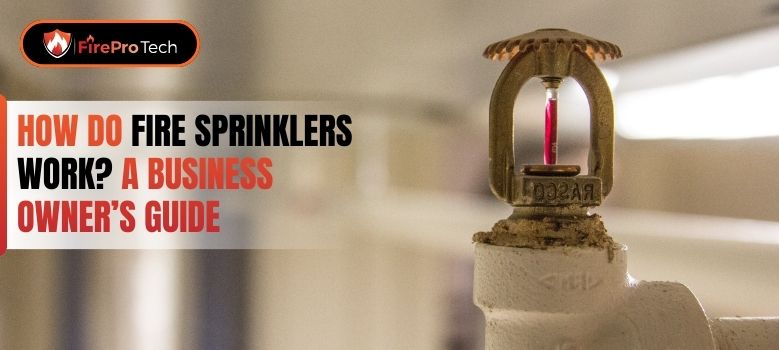
Fire safety is a major concern for business owners in Houston and surrounding communities, where...
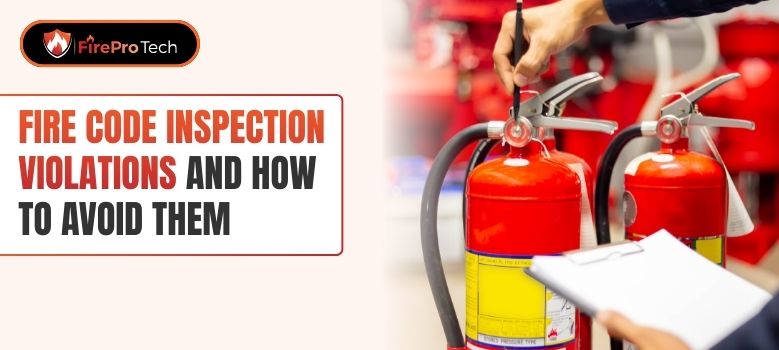
In Houston and nearby areas, a thorough fire code inspection is more than just a...
Ensuring fire safety in Houston and surrounding areas begins with understanding the essential fire extinguisher...