


Fire sprinkler pipes face some of their greatest risks during the winter, especially when temperatures drop quickly and stay low for long periods of time. When these pipes freeze, the entire fire sprinkler system becomes vulnerable, and a single failure can lead to major water damage, system downtime, and safety hazards for your building. That’s why understanding the conditions that lead to freezing—and knowing how to prevent it—is critical for every facility manager, property owner, and maintenance professional.
During the cold season, even small drafts or poorly insulated corners can threaten system performance. Frozen fire sprinkler pipes can shut down normal operations and leave you without proper fire protection at the very moment you need it most. This risk grows in buildings with mechanical rooms, attics, exterior walls, or unheated storage spaces where temperatures fluctuate without warning.
FirePro Tech, LLC emphasizes proactive planning to help you avoid system failures before they begin. With smart winter preparation and consistent monitoring, you can reinforce your sprinkler system’s resilience, maintain full readiness, and ensure your facility remains safe, secure, and compliant all winter long.
Fire sprinkler pipes freeze when the heat around them drops below safe operating temperatures, allowing standing water or residual moisture to solidify and expand. This expansion creates pressure inside the piping, often pushing joints apart or cracking metal surfaces. Once the weather warms, these cracks lead to leaks, bursts, and full system outages. Understanding why this happens—and where—gives you a strong foundation for preventing frozen fire sprinkler pipes before they become an emergency.
Different system types face different freeze risks. Each configuration interacts with cold temperatures in unique ways, and even a freeze proof sprinkler system must be monitored carefully under severe winter conditions.
Wet systems stay filled with water year-round, making them the most vulnerable to cold-temperature exposure. When the surrounding space drops below freezing, the water inside the pipes cools rapidly and begins to solidify. Unheated rooms, attic spaces, exterior wall cavities, loading areas, and storage rooms can create unexpected cold pockets that allow ice to form long before you notice temperature changes elsewhere.
Even small gaps or drafts can undermine sprinkler freeze protection. A tiny airflow through an unsealed opening may be enough to lower pipe temperatures and start an ice plug forming inside the line. Once the plug forms, water behind it becomes trapped, causing pressure to increase and threatening the pipe’s structural integrity.
Dry and preaction systems are designed to reduce freeze risk by keeping air, rather than water, in their piping. Yet these systems are not immune to cold-weather problems. If water from testing, condensation, or incomplete draining becomes trapped in a low point, it can freeze quickly.
Improper pipe slopes, blocked auxiliary drains, and aging system components can all contribute to water accumulation. When the trapped water freezes, it can damage piping, fittings, and valves, ultimately requiring professional fire sprinkler system repair to restore full operation. FirePro Tech, LLC often identifies this hidden moisture during winter inspections, reinforcing just how essential routine maintenance is for long-term sprinkler system freeze protection.
Several predictable factors contribute to ice formation and pipe damage. By learning where and why they appear, you can take stronger preventive steps and keep your system operating safely all winter.
Some buildings lack proper insulation, heat tracing, or system routing to withstand freezing temperatures. When systems are installed without preparation for winter conditions, even indoor piping can be exposed to cold pockets that create frozen fire sprinkler pipes. Over time, these oversights lead to unnecessary repairs and outages that could have been prevented with better upfront planning.
FirePro Tech, LLC often works with facility teams to correct these design gaps, improving system insulation, adjusting pipe routing, and reinforcing areas prone to winter exposure. These upgrades strengthen your overall fire sprinkler protection and reduce the likelihood of seasonal failures.
Cold air can infiltrate a structure through openings that may seem insignificant. Missing insulation, damaged weatherstripping, cracked wall panels, or deteriorating roof areas often pull temperatures down around your fire sprinkler pipes. Even occasional airflow shifts can freeze water inside a pipe faster than most building operators expect.
By identifying and sealing these gaps early, you significantly improve sprinkler system freeze prevention. Combined with routine inspections and reliable service support, you keep your system resilient and prepared for winter conditions year after year.
High-risk areas are often hidden within a building, and these unprotected spaces create conditions where fire sprinkler pipes can freeze before anyone notices a temperature drop. When these areas are not monitored closely, the chances of system failure increase, especially during long cold stretches. Many facility teams discover problems only after water flow alarms, visible frost, or system pressure fluctuations appear, but by then damage may already be developing. FirePro Tech, LLC helps facilities pinpoint these trouble zones early so you can prevent unnecessary downtime and major repairs.
Certain areas inside a building cool down faster than expected. These places often lack consistent heat, proper ventilation, or stable insulation, making them prime spots where fire sprinkler pipes face winter-related risks.
Attics and soffits experience dramatic temperature swings because they sit close to exterior surfaces. Even with basic insulation, cold air can settle around piping and create pockets where frozen fire sprinkler pipes are likely to form.
Loading docks and mechanical rooms also create unpredictable conditions. Doors open frequently in these spaces, letting freezing air rush in. Stairwells, especially those touching exterior walls, also lose heat quickly. Without proper fire monitoring or added freeze protection measures, these zones allow ice to form inside the system long before other parts of the building feel cold.
Unoccupied units often have inconsistent heating schedules, and storage rooms near outside walls cool rapidly when exterior temperatures drop. In these places, fire sprinkler pipes can be exposed to sudden temperature dips, particularly when insulation is worn or missing.
Low-use rooms frequently go unchecked because staff rarely enter them. These neglected zones can drop below freezing during nighttime hours, leaving you with trapped water, ice plugs, and the potential for costly emergencies that require fire sprinkler system repair.
Recognizing the warning signs early can prevent major system failures. Many facilities experience subtle clues that frozen fire sprinkler pipes are forming, but these indicators are easy to miss without regular inspections.
Low-temperature alarms offer an early signal that certain areas are approaching unsafe conditions. When these alarms trigger, the surrounding environment may already be close to freezing. Condensation along exposed pipes is another early sign. If moisture begins to bead or frost appears, the temperature is likely too low for safe operation.
Noisy pipes can indicate that ice is restricting water movement inside the system. Gurgling or knocking sounds often mean expanding ice is creating pressure changes. When these issues appear, FirePro Tech, LLC recommends immediate attention because waiting even a few hours can turn a minor freeze into a full pipe rupture.
Your building design and mechanical systems play a major role in preventing frozen fire sprinkler pipes. With the right combination of insulation, heating, and supplemental freeze control technologies, you can significantly reduce the risk of winter damage. FirePro Tech, LLC often helps facility leaders implement building strategies that maintain steady pipe temperatures throughout the season, improving long-term reliability and lowering repair costs.
Heat and insulation work together to stabilize internal temperatures, especially in areas where fire sprinkler pipes are located near exterior walls, open ceilings, or draft-prone cavities. Small upgrades—when done strategically—can offer meaningful protection all winter.
Keeping all relevant areas above freezing is essential, and that requires consistent monitoring. Mechanical rooms, attics, stairwells, and distant corners of large facilities may not receive enough warm airflow to protect fire sprinkler pipes effectively. When warm air is unevenly distributed, isolated cold spots form, creating the perfect environment for ice buildup.
Temperature sensors and smart monitoring systems can alert staff when certain zones begin to cool rapidly. Heating adjustments, duct redirection, or adding controlled heat sources help stabilize these areas. FirePro Tech, LLC often identifies heating gaps during seasonal assessments, ensuring that freeze protection measures align with your building’s daily operations.
Proper insulation shields fire sprinkler pipes from cold air penetration. Over time, insulation can compress, loosen, or deteriorate, allowing drafts to reach the system. When insulation loses its effectiveness, even minor temperature drops can lead to frozen fire sprinkler pipes.
Installing insulated enclosures around vulnerable piping provides an additional layer of protection. Air sealing is equally important. By blocking gaps around doors, wall joints, and ceiling openings, cold air infiltration is reduced. Draft control helps maintain warmer ambient temperatures around the sprinkler system, significantly lowering freeze risk and improving your overall fire sprinkler protection strategy.
Modern freeze protection solutions enhance safety by actively monitoring and adjusting environmental conditions. These technologies support human oversight and respond quickly when temperatures drop.
Heat trace cables wrap around vulnerable piping and provide a controlled warming source that activates automatically when the environment becomes too cold. When paired with building thermostats, these tools maintain a stable temperature around fire sprinkler pipes even when the surrounding area cools unpredictably.
Supervisory temperature alarms offer another layer of security. These alarms notify staff when temperatures fall below preset thresholds, giving you time to correct conditions before frozen fire sprinkler pipes develop. FirePro Tech, LLC frequently incorporates these controls into winter readiness plans, helping facilities create a more dependable and resilient system that withstands extreme cold.
Read Also: Choose Professional Commercial Fire Sprinkler Installation
Design choices play a major role in whether fire sprinkler pipes can withstand harsh winter conditions. When a system is installed or upgraded with freeze protection in mind, it becomes far more resilient during temperature swings. FirePro Tech, LLC regularly evaluates system layouts, component choices, and environmental factors to help ensure every building has a solid foundation for long-term performance. A well-engineered approach reduces hidden risks, minimizes emergency repairs, and helps prevent frozen fire sprinkler pipes before problems begin.
Different environments require different freeze protection strategies. The system type, building use, and temperature profile all help determine the right methods to keep fire sprinkler pipes operating safely. Adjusting these design elements early can prevent costly cold-weather interruptions later.
Some areas within a building are nearly impossible to heat consistently. For these locations, antifreeze loops can create an effective barrier against ice formation. Modern listed antifreeze solutions are specifically formulated to lower freezing points while maintaining compliance and performance standards.
When placed appropriately, antifreeze segments protect portions of the system most likely to drop below freezing. This reduces stress on the main lines and cuts down the chances of frozen fire sprinkler pipes developing during extreme cold. FirePro Tech, LLC evaluates each zone carefully to determine whether antifreeze is the right fit or if a mechanical or structural alternative would provide safer long-term protection.
Wet systems are the most vulnerable to cold weather, especially in buildings with frequent drafts, insulation problems, or unheated sections. If certain areas consistently experience near-freezing temperatures, converting wet piping to dry or preaction configurations can greatly improve reliability.
Dry and preaction systems keep pressurized air in their lines, minimizing the presence of standing water that could freeze inside fire sprinkler pipes. Even so, proper drainage, sloping, and periodic testing are required to prevent moisture buildup from creating freeze points. FirePro Tech, LLC helps determine whether full or partial conversions are necessary, depending on the building’s layout and operational needs.
When designing a system from the ground up, or retrofitting an existing one, it is possible to engineer a setup that actively reduces freeze exposure. This includes routing decisions, drainage planning, and long-term maintenance considerations that keep fire sprinkler pipes accessible, insulated, and easier to protect as the building ages.
Proper pipe routing ensures that cold air does not settle around fire sprinkler pipes unnecessarily. When pipes run through conditioned areas instead of exterior walls or open ceilings, overall exposure decreases significantly.
Correct sloping and drainage are equally important. When slopes are designed incorrectly or low points are overlooked, water can become trapped, creating a prime condition for frozen fire sprinkler pipes. Auxiliary drains help remove excess moisture from dry and preaction systems, reducing freeze potential even further. FirePro Tech, LLC emphasizes these engineering details because small adjustments during the design stage can eliminate many winter vulnerabilities before they ever become issues.
Ongoing maintenance is essential for keeping fire sprinkler pipes stable when temperatures fall. Even the best-designed system can experience problems if routine checks are skipped or cold-weather procedures are incomplete. Winter maintenance ensures that insulation stays effective, low points drain correctly, and system components function as expected. FirePro Tech, LLC works with facilities to establish seasonal protocols that strengthen protection and reduce the likelihood of emergency repairs during harsh cold spells.
Seasonal inspections help identify early signs of freeze exposure. By reviewing key components and evaluating environmental conditions, facility teams stay ahead of developing issues that could compromise fire sprinkler pipes. Thorough winter checklists form the backbone of an effective freeze protection strategy.
Valve rooms must remain warm at all times, as even a brief temperature drop can affect system pressure and increase the risk of frozen fire sprinkler pipes. Checking heaters, insulation quality, and airflow patterns keeps these areas stable throughout the season.
Low points and auxiliary drains need to be cleared during winter inspections. Any trapped water increases the chance of ice forming inside the system. Inspector’s test stations also give valuable information about water movement and system health. Remote areas—particularly those far from main heating zones—should be monitored for fluctuating temperatures, drafts, and signs of moisture. FirePro Tech, LLC often helps facilities create room-by-room inspection maps to make maintenance consistent and easy to manage.
Even with strong prevention strategies, issues can still arise during extremely cold weather. When fire sprinkler pipes freeze or burst, quick action is essential. Fire sprinkler companies have the tools, experience, and emergency protocols needed to stabilize the system and reduce downtime.
If a line bursts or cracks due to ice expansion, the first priority is stopping the flow of water. After the area is made safe, repair crews isolate damaged sections and evaluate the full extent of the freeze event. Timely fire sprinkler system repair prevents further water loss, reduces property damage, and helps restore fire protection as quickly as possible. FirePro Tech, LLC responds rapidly to these emergencies, ensuring facilities can return to normal operation without unnecessary delays.
Water cleanup must also be done promptly. Moisture from a burst line can damage floors, ceilings, and electrical systems, creating hazards that extend beyond fire protection. Quick containment helps preserve the rest of the building while repairs are underway.
After repairs, documenting the freeze event offers valuable insight into what went wrong. These records help identify environmental weaknesses, insulation failures, or drainage issues that may have contributed to the problem.
By reviewing these findings, FirePro Tech, LLC works with facility management teams to improve long-term strategies. This may include insulation upgrades, redesigning pipe routes, revising winter inspection procedures, or adjusting temperature monitoring systems. These steps strengthen overall fire sprinkler protection and reduce the risk of future frozen fire sprinkler pipes, ensuring your system remains dependable year after year.
Read Also: Choose Professional Commercial Fire Sprinkler Installation
When fire sprinkler pipes freeze or burst, immediate action protects both your building and your fire protection system. Ice expansion inside the piping places tremendous pressure on fittings and valves, and once temperatures shift, that pressure can release suddenly. This can lead to uncontrolled leaks, water flow alarms, and complete shutdowns of fire protection coverage. A fast, organized response minimizes building damage and shortens downtime. FirePro Tech, LLC guides facility teams through these situations with clear procedures, ensuring that frozen fire sprinkler pipes are handled safely and efficiently.
Early intervention is the key to preventing isolated freeze events from becoming major failures. Even a small ice blockage can grow into a burst line if the surrounding temperature continues to drop unaddressed.
The first priority when a freeze is suspected is restoring heat to the affected space. Raising temperatures helps melt small ice formations before they expand further inside fire sprinkler pipes. Staff should identify nearby heaters, ventilation controls, or temporary heat sources that can warm the area without compromising safety.
Isolating affected zones may also be necessary. When a frozen section threatens the larger system, valves can be shut strategically to contain the risk. This prevents pressure spikes throughout the network, lowering the chance of additional frozen fire sprinkler pipes forming during the recovery process. FirePro Tech, LLC helps facilities establish isolation procedures so teams can act quickly and confidently in emergency situations.
Deciding whether to shut down a sprinkler system depends on the severity of the freeze. Some areas may only need temperature adjustments, while others require immediate shutdown to prevent damage. Working with your monitoring provider is essential, as fire alarm system will likely activate when water movement or temperature variations occur.
Coordination ensures the system remains supervised even during shutdowns. FirePro Tech, LLC assists facilities with safe shutdowns, ensuring fire sprinkler pipes are protected while maintaining adequate life safety coverage throughout the building.
Once temperatures stabilize and ice begins to melt, your system must be inspected thoroughly. Even if the pipes did not burst, the freeze event may have weakened fittings or damaged internal components.
Comprehensive inspections uncover hidden damage such as hairline cracks, compromised joints, and weakened valves. These issues may not be visible immediately but can lead to leaks weeks later. FirePro Tech, LLC reviews each affected area to ensure that fire sprinkler pipes regain their structural integrity.
After repairs are completed, the system must be brought back online carefully. Pressurization should be done slowly to prevent stress on newly repaired components. Once reactivated, the system undergoes testing to confirm proper flow, drainage, and alarm operation. With the right process, facilities can return to full fire protection quickly without risking further failures.
Long-term freeze prevention requires more than seasonal upkeep. It demands strategic planning, consistent monitoring, and expert guidance to ensure fire sprinkler pipes remain protected year after year. Fire sprinkler companies bring technical knowledge, inspection tools, and industry experience that help identify vulnerabilities long before a freeze event occurs. FirePro Tech, LLC supports facility teams with both proactive planning and rapid response capabilities, strengthening system readiness for every winter season.
A structured freeze prevention program reduces emergency repairs, eliminates guesswork, and helps facility managers stay ahead of changing seasonal conditions. With professional guidance, your building develops a reliable, repeatable winter strategy tailored to its unique needs.
Seasonal assessments reveal weak points in insulation, heating distribution, drainage, and system design. These evaluations are essential because fire sprinkler pipes often run through hidden spaces where temperature shifts are easy to overlook. FirePro Tech, LLC provides detailed recommendations based on these assessments, helping facilities prioritize upgrades that offer the highest protection.
Engineering improvements may include re-routing exposed lines, adding auxiliary drains, implementing freeze detection systems, or reinforcing insulation. Preventive service agreements ensure that each winter season is managed with consistent fire inspections and service visits, reducing the risk of frozen fire sprinkler pipes across your entire building.
Facility staff play a major role in maintaining reliable fire protection. When employees understand how to recognize freeze risks and respond quickly, problems can be contained before they escalate.
Training programs help teams identify warning signs, maintain temperature control, and perform daily checks in high-risk areas. FirePro Tech, LLC teaches staff how to monitor fire sprinkler pipes, spot developing issues, and follow emergency procedures safely. This collaborative approach equips your building with both expert support and knowledgeable on-site personnel.
Winter protection should be integrated into your broader life safety plan. Fire sprinkler pipes interact with HVAC systems, energy use, building design, and day-to-day operations, so freeze prevention must align with all other facility priorities.
A coordinated strategy strengthens overall fire protection while reducing disruptions. FirePro Tech, LLC ensures that freeze prevention methods work smoothly with your existing safety systems, giving your building a more resilient and reliable fire protection infrastructure for every season.
Preparing your building for winter requires more than a quick inspection or a few adjustments. When temperatures fall, fire sprinkler pipes become vulnerable to hidden cold spots, moisture buildup, and insufficient insulation. These issues develop quietly at first, but once freezing begins, they can shift rapidly into emergency conditions. Protecting your system early is the best way to avoid expensive repairs, water damage, and downtime in your fire protection coverage.
A strong winter strategy combines building improvements, system design choices, and routine maintenance practices that support long-term reliability. With the right approach, your facility can stay fully protected even during severe cold. FirePro Tech, LLC remains committed to helping businesses strengthen their infrastructure with professional inspections, smart upgrades, and year-round support. By preparing early and staying consistent, you ensure that fire sprinkler pipes remain dependable and ready to respond whenever your building needs them most.
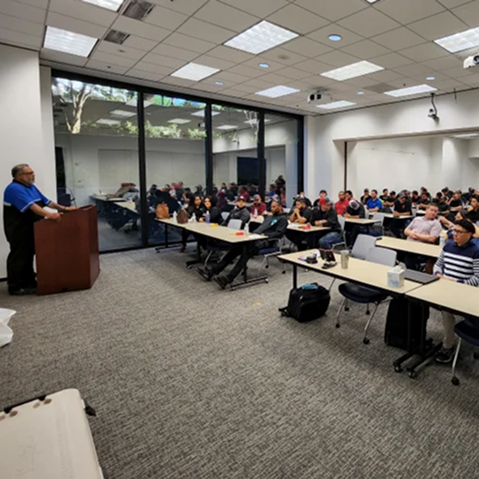
Fire sprinkler pipes can freeze when exposed to prolonged cold temperatures, especially in unheated or poorly insulated areas. This issue is more common than many facility teams realize because temperature drops often occur in hidden spaces such as attics, soffits, or vacant rooms. When these areas fall below freezing, water inside the system can solidify and block flow, creating a risk of bursts or leaks. FirePro Tech, LLC frequently assists buildings that experience these problems, reinforcing why proactive freeze protection is important for every facility.
Water in fire sprinkler pipes begins to freeze when temperatures approach 32 degrees Fahrenheit, but system conditions often deteriorate before reaching that threshold. Drafts, rapid cooling, and low insulation levels can cause microfreezing to start earlier, especially in metal piping that transfers cold quickly. Buildings with uneven heating or exterior wall piping are particularly vulnerable. FirePro Tech, LLC recommends monitoring temperature-sensitive areas to ensure the system remains stable long before the environment reaches freezing conditions.
Keeping fire sprinkler pipes stable in unheated zones requires a combination of insulation upgrades, temperature monitoring, and strategic heating solutions. Insulating both the piping and surrounding areas helps retain warmth, while heat trace cables add controlled heating directly to vulnerable lines. Regular inspections also identify drafts, moisture buildup, and low points where freezing is likely to occur. FirePro Tech, LLC helps facilities develop tailored plans that reinforce system strength without major operational disruptions.
A freeze proof sprinkler system significantly reduces risk, but extreme conditions can still challenge its performance if maintenance is inconsistent or insulation deteriorates. Severe temperature drops, long-duration freezes, and unexpected building envelope failures can expose sections of fire sprinkler pipes to unsafe conditions. Even advanced designs require regular testing and seasonal adjustments. FirePro Tech, LLC encourages routine evaluations to confirm that each protective measure functions correctly under real winter conditions.
Regular inspections should take place before winter begins and continue throughout the cold season. These visits allow fire sprinkler companies to verify that insulation remains intact, heating equipment functions properly, and drainage components operate as intended. Seasonal checks also help identify early warning signs such as moisture accumulation, inconsistent temperatures, or airflow changes. FirePro Tech, LLC offers structured maintenance programs to ensure fire sprinkler pipes remain protected at all times.
If you suspect freezing, increasing heat to the affected space is the first priority. Bringing temperatures up slowly helps melt forming ice without stressing the system. Avoid tapping or striking the pipes, as this can worsen internal damage. Monitor the area for changes in pressure, frost, or unusual noises. Contacting a professional immediately is essential because a frozen section can burst suddenly. FirePro Tech, LLC responds quickly to assess the area, stabilize the environment, and prevent further system damage.
Many insurance policies offer coverage for water damage caused by frozen fire sprinkler pipes, but the specific terms vary. Coverage often depends on whether the building was maintained properly, including adequate heating, insulation, and seasonal inspections. When freeze events occur, thorough documentation and professional assessments help support claims. FirePro Tech, LLC provides detailed reporting after freeze-related incidents to help facility teams navigate the restoration and claims process.
You should request professional repair immediately after identifying leaks, ice buildup, or temperature-related alarm activation. Delaying service can lead to additional freezing, flooding, or structural damage. A trained technician can isolate affected areas, inspect the system, and recommend necessary repairs. FirePro Tech, LLC offers rapid response services to restore damaged systems, ensuring that fire sprinkler pipes regain full operational readiness as quickly and safely as possible.
Fire safety is a major concern for business owners in Houston and surrounding communities, where...
In Houston and nearby areas, a thorough fire code inspection is more than just a...
Ensuring fire safety in Houston and surrounding areas begins with understanding the essential fire extinguisher...