

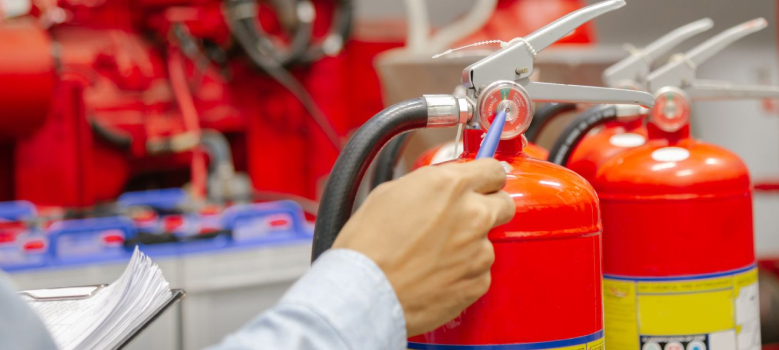
Fire alarm systems are essential for protecting your property and your people from fire hazards. However, having a fire alarm system installed is not enough. You also need regular fire alarm inspection and testing to make sure that your fire alarm system is working properly and up to code.
In this blog post, we will explain the complete fire alarm inspection and testing process, including the benefits, the frequency, the steps, and the best practices.
Fire alarm inspection and testing is not only a legal requirement, but also a smart investment. Here are some of its benefits:
The frequency of the inspections depends on several factors, such as the type, size, and complexity of your fire alarm system, the type and occupancy of your building, and the local, state, and national fire codes and regulations that apply to your fire alarm system.
However, as a general rule, fire alarm systems should be inspected and tested at least once a year by a professional fire protection company. Some components of your fire alarm system may require more frequent inspection and testing, such as batteries, smoke detectors, and emergency lights. You should also have your fire alarm system inspected and tested whenever you make any changes or modifications to your fire alarm system, such as adding, removing, or relocating any devices or components.
Fire alarm testing is a comprehensive and systematic process that involves checking, verifying, and documenting every aspect of your fire alarm system’s functionality and performance. The steps of fire alarm inspection and testing may vary depending on the specific requirements and standards of your fire alarm system and your fire protection services in deer park, but they generally include the following:
Read Also: Ensuring Safety: A Complete Guide to Emergency Light Testing
Fire alarm inspection is a complex and critical process that requires the expertise, experience, and equipment of a professional fire protection company. Here are some of the best practices for fire alarm system testing that you should follow:
FirePro Tech LLC is a leading fire protection company in Houston, Texas, which offers a full range of fire alarm inspection and testing services for any type and size of fire alarm system. FirePro Tech LLC has the expertise, experience, and equipment to handle any type of fire inspection, whether it is residential, commercial, or industrial. FirePro Tech LLC also has the knowledge, skills, and certifications to comply with all the local, state, and national fire codes and regulations and to ensure the safety and satisfaction of our customers.
When you choose FirePro Tech LLC for your fire alarm inspection in Houston, you can expect the following benefits:
Read Also: Top 10 Benefits of Clean Agent Fire Suppression Systems
If you are looking for a reliable, professional, and affordable fire alarm inspection and testing company in Houston, look no further than FirePro Tech LLC . Contact us today and get a free quote for your needs. FirePro Tech LLC is your trusted partner for fire protection in Sheldona.
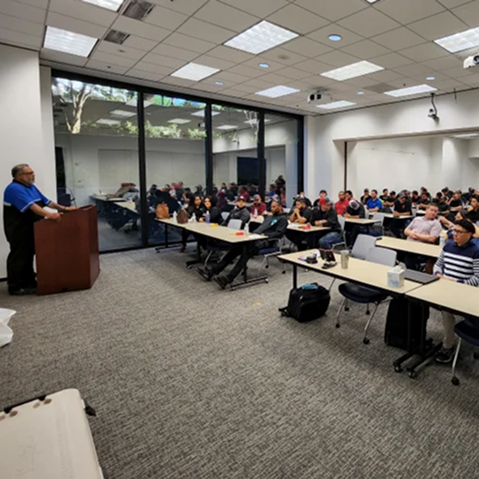
A fire alarm includes checking control panels, smoke and heat detectors, pull stations, notification devices, wiring, and monitoring connections. The goal is to ensure the system detects and alerts occupants quickly and functions according to code requirements.
Fire alarm systems typically require monthly, quarterly, semiannual, and annual inspections depending on local fire codes and system type. Staying on schedule is essential to maintain compliance and ensure system reliability.
Regular testing ensures the system works properly during emergencies. It helps detect faults early, prevents system failures, and ensures occupants are alerted quickly in case of fire.
During testing, technicians activate devices like smoke detectors and pull stations to confirm signals reach the control panel and monitoring service. They also verify alarms, strobes, and communication systems function correctly.
Common issues include missed inspections, faulty detectors, wiring problems, outdated documentation, and system impairments caused by building changes or poor maintenance.
The duration depends on the building size and system complexity. Small systems may take a few hours, while larger commercial properties may require a full day or more.
Yes, monitoring ensures emergency signals are sent to a response center even when the building is unoccupied, improving response time and enhancing safety.
If a system fails, a report will outline deficiencies that must be fixed within a set timeframe. Failure to comply can result in fines, re-inspections, or occupancy restrictions.
Fire safety is a major concern for business owners in Houston and surrounding communities, where...
In Houston and nearby areas, a thorough fire code inspection is more than just a...
Ensuring fire safety in Houston and surrounding areas begins with understanding the essential fire extinguisher...