

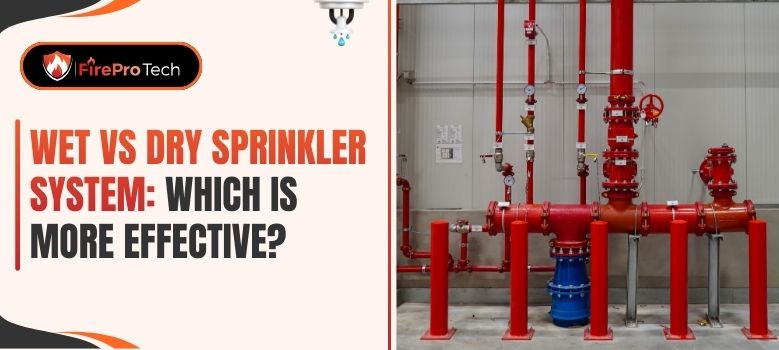
Choosing the right fire sprinkler system is an essential step in safeguarding properties from fire damage, especially in Houston and nearby areas where building types and environmental factors vary widely. The decision between a wet vs dry sprinkler system isn’t just about preference—it can significantly affect how quickly and effectively a fire is controlled.
FirePro Tech, LLC brings deep expertise in designing and installing fire protection services customized for Houston’s unique climate and building codes. By understanding the subtle but critical differences between these systems, property owners can make informed choices that enhance safety and ensure compliance with regulations.
In many ways, the choice in a wet vs dry sprinkler system boils down to the conditions in which the fire sprinkler services operates. A wet pipe fire sprinkler system is often the default in warmer environments, but in places susceptible to freezing like parts of Houston’s outskirts or certain unheated warehouses, a dry pipe sprinkler system can prevent costly pipe bursts caused by frozen water.
FirePro Tech, LLC works closely with clients to analyze factors such as building use, occupancy, and environmental exposure. This careful assessment ensures that the installed system not only meets local standards but also provides reliable protection tailored to each property’s specific fire safety needs.
As we move forward, you’ll gain a clearer view of how wet pipe vs dry pipe systems function and which might be the best fit for your Houston property.
Commercial Fire Sprinkler System Installation for Safety wet pipe fire sprinkler system is the most common type of fire protection system used across numerous buildings, especially when evaluating a wet vs dry sprinkler system for standard applications. The defining characteristic of a wet pipe fire sprinkler system is that its network of pipes is constantly filled with water under pressure.
When a fire triggers the sprinkler heads, the heat causes a valve or glass bulb to break or open, allowing water to immediately discharge from the pipes onto the fire area. This direct and swift water release makes the wet pipe fire sprinkler system highly effective in controlling flames quickly.
Typically, wet pipe systems are ideal for environments where the risk of pipe freezing is minimal, making them a frequent choice in a wet vs dry sprinkler system comparison. In Houston’s predominantly warm and humid climate, many commercial and residential properties benefit from wet pipe systems due to their straightforward design and reliable performance.
Buildings with consistent indoor temperatures such as offices, retail stores, and schools commonly use this system because it offers rapid activation without the risk of water freezing in the pipes. FirePro Tech, LLC frequently recommends wet pipe fire sprinkler systems in these scenarios to maximize immediate fire protection efficiency.
In contrast, a dry pipe sprinkler system keeps its pipes filled with pressurized air or nitrogen rather than water, offering a clear distinction in the wet vs dry sprinkler system debate. This design is particularly useful where freezing temperatures pose a threat to water-filled pipes. When a fire activates the sprinkler, the air pressure in the dry pipe sprinkler system is released first. Once the system detects this drop in air pressure, a valve opens to let water flow into the pipes and out through the activated sprinkler heads.
Dry pipe fire sprinkler systems are well-suited for unheated locations or places where temperatures can dip below freezing, such as warehouse loading docks, parking garages, or occasional Houston-area facilities that experience colder indoor conditions. This system prevents pipe bursts caused by frozen water, which can result in costly repairs and lost fire protection. FirePro Tech, LLC utilizes dry pipe sprinkler systems strategically in these environments to maintain reliable fire safety without risking damage from cold weather.
Understanding the operational and maintenance differences between wet pipe vs dry pipe sprinkler systems is crucial when deciding on a wet vs dry sprinkler system. Wet pipe systems provide near-instantaneous water flow since pipes are always full, leading to quicker fire suppression. They are simpler to install and maintain because they lack the complex air-pressurization components of dry systems. However, their susceptibility to freezing limits their use in certain environments.
Dry pipe fire sprinkler systems, by holding air instead of water within pipes, represent the freeze-protected side of a wet vs dry sprinkler system comparison. They require extra components like air compressors and valves, which adds complexity and maintenance needs. Their response time is slightly delayed due to the time needed to release air pressure before water can flow. Despite this, their freeze protection makes them indispensable in cold or unheated spaces.
When it comes to installation, wet pipe systems typically have lower upfront costs, while dry pipe sprinkler systems involve greater initial investment and ongoing maintenance. FirePro Tech, LLC carefully evaluates these factors alongside local codes and client needs to ensure each system choice is the best fit.
Houston’s humid subtropical climate features mild winters, but occasional cold snaps and freezing temperatures are not uncommon, particularly in nearby areas or less climate-controlled buildings, making the wet vs dry sprinkler system decision especially important. This variability means that many properties can safely use wet pipe fire sprinkler systems, but others, especially those with unheated zones or outdoor exposures, require the reliability of a dry pipe fire sprinkler system.
Moreover, building type and usage heighten the importance of selecting the right wet vs dry sprinkler system. For example, a Houston museum’s controlled environment may lean toward wet pipe systems for its interior exhibits, while a warehouse on the city’s outskirts may need dry pipe sprinkler systems due to less insulation and heating.
FirePro Tech, LLC combines deep knowledge of Houston’s fire codes, weather trends, and building specifics to recommend the most efficient and code-compliant fire protection services. This ensures that clients receive tailored solutions that prioritize safety without unnecessary costs or risks, blending technical precision with practical policies to best serve Houston and its surrounding communities.
Wet pipe fire sprinkler systems are widely favored in a wet vs dry sprinkler system evaluation for their straightforward design and reliable performance. One of their greatest advantages is the remarkably fast delivery of water immediately upon activation. Since the pipes are already filled with pressurized water, the system responds instantly to heat-triggered sprinklers, helping to suppress fires quickly.
This rapid response is especially critical in environments where every second counts. Furthermore, wet pipe systems typically require lower upfront installation costs and simpler ongoing maintenance compared to more complex systems.
However, wet pipe fire sprinkler system drawbacks should not be overlooked when analyzing a wet vs dry sprinkler system. These systems are vulnerable to freezing in colder environments, which can cause pipes to burst and lead to costly damage and downtime. Even in Houston, where winters are generally mild, occasional cold snaps can impact unheated or poorly insulated areas.
Additionally, because water is present throughout the piping, accidental discharges or system malfunctions can result in unwanted water damage to property. FirePro Tech, LLC advises clients to weigh these factors carefully when considering whether a wet pipe system aligns with their building’s risk profile and environment.
Dry pipe sprinkler systems provide an effective solution in the wet vs dry sprinkler system discussion for spaces prone to freezing or low temperatures by keeping their pipes filled with pressurized air or nitrogen instead of water. This design protects pipes from freezing-related damage, making them ideal for unheated warehouses, loading docks, parking garages, and outdoor structures.
Additionally, dry pipe systems reduce the risk of accidental water damage since water only flows once the system has been activated, further differentiating them in a wet vs dry sprinkler system comparison. Despite these benefits, dry pipe systems do have some notable disadvantages. The activation speed is slower compared to wet pipe systems because the pressurized air must first be released before water can flow to the sprinkler heads. This delay, while often measured in seconds, could have an impact in fast-moving fires.
Moreover, dry pipe fire sprinkler systems generally involve higher installation costs due to additional components like air compressors and more complex valving. Maintenance can also be more intensive, requiring regular checks of pressures and mechanical parts to ensure proper function. FirePro Tech, LLC helps Houston-area clients assess these trade-offs to determine if a dry pipe system suits their property’s specific needs.
From a fire safety perspective, both wet pipe and dry pipe sprinkler systems play vital roles within a wet vs dry sprinkler system analysis but excel in different scenarios. Wet pipe fire sprinkler systems are typically faster to activate and start suppressing fires, which is crucial in occupied buildings where human safety and property protection are paramount. Their immediate water discharge offers strong reliability, reducing fire spread and potentially minimizing damage.
Dry pipe fire sprinkler systems, while slightly slower to respond, represent the freeze-resistant advantage in a wet vs dry sprinkler system comparison. By eliminating the risk of pipe bursts, these systems maintain fire protection without interruption and prevent water damage that can result from broken pipes. This makes dry pipe fire sprinkler systems indispensable for specific Houston region properties, especially those with wide temperature fluctuations or partial outdoor exposure.
Overall, both system types contribute significantly to occupant and property safety when properly applied. FirePro Tech, LLC’s thorough understanding of wet pipe vs dry pipe fire sprinkler system performance ensures clients receive tailored solutions that maximize fire suppression effectiveness based on their building type, use, and local climate.
FirePro Tech, LLC approaches the wet vs dry sprinkler system decision with a personalized consultation process rooted in comprehensive risk assessment and local expertise. Starting with a detailed evaluation of the building’s design, occupancy type, and environmental conditions, FirePro Tech, LLC incorporates local Houston fire codes and historic weather data to identify potential vulnerabilities—like freeze-prone areas or high-heat applications.
This methodical approach also factors in client priorities such as budget, maintenance preferences, and desired response time, ensuring a balanced selection of fire protection services when deciding on a wet vs dry sprinkler system. Whether advising on a wet pipe fire sprinkler system for a climate-controlled commercial office or a dry pipe sprinkler system for a cold-storage facility, FirePro Tech, LLC combines cutting-edge technology with proven practices to deliver systems that meet or exceed regulatory standards while enhancing long-term reliability.
FirePro Tech, LLC also supports clients with ongoing system maintenance tailored to the chosen sprinkler type. This proactive service keeps systems in peak condition, minimizing downtime and ensuring continued compliance with all Houston-area fire safety mandates. By entrusting your fire protection needs to FirePro Tech, LLC, property owners gain a trusted partner committed to safety, innovation, and peace of mind.
The choice between a wet pipe vs dry pipe sprinkler system is central to any wet vs dry sprinkler system evaluation and often hinges on the type of building and its specific usage. In Houston and neighboring areas, commercial offices, retail stores, and residential complexes typically favor wet pipe fire sprinkler systems due to their fast activation and simpler setup. These environments usually maintain stable indoor temperatures, reducing the risk of pipe freezing and making wet pipe systems the most efficient option.
On the other hand, dry sprinkler systems become the preferred option in a wet vs dry sprinkler system decision when temperature control is less predictable or heating is minimal. Warehouses, unheated storage facilities, parking garages, and loading docks are prime candidates for dry pipe fire sprinkler systems.
In such spaces, pipes filled with pressurized air prevent freezing, helping to avoid pipe bursts that can interrupt fire protection and cause water damage. FirePro Tech, LLC advises clients to evaluate their occupancy, temperature ranges, and operational challenges to identify which system aligns best with their building’s demands.
Installation costs between wet pipe and dry pipe sprinkler systems are a key factor in the wet vs dry sprinkler system comparison due to variations in design complexity and required equipment. Wet pipe fire sprinkler systems generally have a lower upfront cost since they involve straightforward piping that remains filled with water. Materials tend to be standard, and installation procedures are well-established, resulting in efficient project timelines and predictable pricing.
Conversely, dry pipe sprinkler systems increase overall investment in a wet vs dry sprinkler system analysis because they require additional components such as air compressors, specialized valves, and pressure monitoring equipment, increasing both material and labor expenses. These systems also demand pipe materials designed to withstand air pressure fluctuations without leaks, sometimes requiring more robust specifications.
Trenching or pipe routing may grow more involved if insulation or heating is needed in certain zones. FirePro Tech, LLC works closely with clients to provide transparent cost analyses, helping balance initial expenses with long-term savings from prevention of freeze-related damage.
Maintenance is a critical factor distinguishing dry vs wet sprinkler system options in any wet vs dry sprinkler system decision. Wet pipe fire sprinkler systems tend to be simpler to maintain because they have fewer moving parts and operate under stable water pressure conditions year-round. Regular fire inspections focus on corrosion control, valve function, and sprinkler head condition. FirePro Tech, LLC emphasizes routine testing and maintenance protocols to keep these systems ready for immediate response.
Dry pipe fire sprinkler systems require more frequent and detailed maintenance, which is an important consideration in a wet vs dry sprinkler system comparison. Air pressure must be monitored continuously to detect leaks, and mechanical components such as compressors, dry pipe valves, and associated controls need periodic servicing.
Maintenance costs can be higher due to this complexity, but the reliability it ensures in freeze-prone environments often justifies the investment. FirePro Tech, LLC provides tailored maintenance programs designed to maximize system longevity and minimize downtime whether a client’s property uses a dry pipe fire sprinkler system or a wet pipe fire sprinkler system.
Fire safety codes in Houston and surrounding areas influence the choice in a wet vs dry sprinkler system evaluation. Local regulations often require specific system types based on building occupancy, construction materials, and exposure to environmental factors. For example, Houston fire codes may mandate dry pipe fire sprinkler systems in unheated or outdoor spaces to mitigate freeze risks, while encouraging wet pipe systems in climate-controlled interiors.
Insurance providers also recognize the differences highlighted in a wet vs dry sprinkler system comparison. Installing a dry pipe sprinkler system in freeze-prone buildings can mitigate risk of costly water damage and property loss, potentially qualifying property owners for lower premiums or incentives.
Conversely, a properly installed wet pipe fire sprinkler system can reduce overall fire-related claims due to its prompt action. FirePro Tech, LLC stays current with Houston’s ever-evolving fire codes and insurance guidelines to help clients take advantage of all applicable benefits and maintain full compliance.
Choosing the right system in a wet vs dry sprinkler system analysis is only part of the equation; maintaining its performance is equally vital. FirePro Tech, LLC offers comprehensive fire monitoring services tailored for both wet and dry sprinkler systems. These include inspections, testing, repairs, and compliance documentation to ensure systems remain fully operational and ready in an emergency.
FirePro Tech, LLC’s expert technicians leverage years of experience working with a wide range of buildings in Houston and nearby regions. Their proactive maintenance packages minimize the risk of unexpected failures, extend equipment lifespan, and help clients meet local fire marshal inspections seamlessly.
By partnering with FirePro Tech, LLC, property owners gain peace of mind knowing their fire sprinkler system—whether wet pipe or dry pipe—is meticulously cared for, safeguarding lives and assets 24/7.
Call Today To Find The Best Fire Sprinkler System For You
While wet pipe and dry pipe sprinkler systems cover most fire protection needs, certain buildings require more specialized solutions that blend precision with adaptability. Pre-action and deluge sprinkler systems are two such alternatives that extend fire safety capabilities beyond the conventional wet vs dry sprinkler system choices.
A pre-action system expands beyond the standard wet vs dry sprinkler system comparison by combining the features of dry pipe and wet pipe setups and requiring two triggers—typically a smoke or heat detector followed by sprinkler activation—before water is released. This reduces the risk of accidental discharge in sensitive environments like data centers or museums.
Deluge systems, on the other hand, are designed for rapid water flow through all sprinkler heads simultaneously. This approach suits high-hazard areas such as chemical plants or aircraft hangars, where fires can spread quickly and demand comprehensive suppression. FirePro Tech, LLC evaluates these advanced options carefully within Houston’s diverse building landscape to incorporate the most effective fire protection strategies for specialized needs.
Some properties demand a customized approach beyond a basic wet vs dry sprinkler system selection that balances the instantaneous water delivery of wet pipe fire sprinkler systems with the freeze protection of dry pipe sprinkler systems. Hybrid systems blend these benefits, often implementing wet pipes in interior heated zones while deploying dry pipe fire sprinkler system components in unheated portions of the building. This tailored approach is particularly practical in Houston’s varying microclimates or large properties with mixed-use sections.
FirePro Tech, LLC excels in designing and installing these hybrid sprinkler configurations to address complex challenges unique to Houston and nearby areas. By combining strengths from wet pipe vs dry pipe systems, these hybrids optimize reliability, reduce installation costs compared to fully dry systems, and maintain superior fire safety performance.
Advancements in fire protection technology continue reshaping how systems function within the broader wet vs dry sprinkler system landscape. Modern solutions now integrate smart monitoring systems that allow remote alerting and diagnostics, improving response times and reducing false fire alarms. Integration with building management systems lets facility managers oversee sprinkler readiness alongside HVAC, lighting, and security controls.
Detection technologies are also evolving beyond the traditional wet vs dry sprinkler system framework, as advanced heat and smoke sensors trigger sprinklers more precisely, limiting water damage and improving occupant safety. Quick response systems, paired with automated notifications to emergency responders, enhance fire suppression efficiency dramatically.
FirePro Tech, LLC stays at the forefront of these technology trends, bringing cutting-edge monitoring and control capabilities to fire protection services in Houston. This ensures clients experience enhanced system reliability, seamless maintenance, and faster emergency responses.
FirePro Tech, LLC is uniquely positioned to deliver not only traditional wet pipe vs dry pipe sprinkler systems but also comprehensive guidance on selecting the right wet vs dry sprinkler system for Houston’s dynamic environment. The company’s team combines deep industry knowledge with comprehensive technical expertise to design, install, and maintain advanced systems—whether pre-action, deluge, hybrid, or smart-monitored setups.
Understanding the nuances of Houston’s climate, building codes, and client needs allows FirePro Tech, LLC to customize every project, ensuring maximum protection with minimal disruption. From consulting on the latest fire protection technologies to implementing full-scale integration and ongoing support, FirePro Tech, LLC provides a trusted partnership for property owners seeking top-tier fire sprinkler system performance. Their commitment to innovation and reliability secures safer spaces for Houston and surrounding communities through every stage of fire safety management.
Choosing between a wet vs dry sprinkler system is a decision that demands thoughtful evaluation of multiple factors: the building’s purpose, local climate conditions, available budget, and overarching safety goals. In Houston and its surrounding communities, where weather can swing between high humidity and occasional freezes, this choice becomes even more critical. FirePro Tech, LLC brings invaluable expertise in designing and maintaining fire sprinkler systems that are perfectly tailored to these unique regional challenges and compliance standards.
Partnering with FirePro Tech, LLC ensures your property benefits from the right wet vs dry sprinkler system—whether a wet pipe fire sprinkler system, a dry pipe sprinkler system, or even an advanced hybrid configuration—that aligns precisely with your risk profile and operational needs. Their thorough planning, professional installation, and ongoing system support maximize fire protection effectiveness while minimizing disruptions and costs.
For property owners seeking peace of mind and compliance in Houston’s diverse landscape, having FirePro Tech, LLC’s trusted guidance can make all the difference in safeguarding lives and valuable assets with confidence.

The primary distinction in a wet vs dry sprinkler system lies in whether the pipes are filled with water or pressurized air. In a wet pipe fire sprinkler system, pipes remain filled with water at all times, enabling immediate water discharge once activated. Conversely, a dry pipe sprinkler system keeps its pipes filled with pressurized air or nitrogen, releasing water only after the sprinkler heads are triggered and the air pressure is vented. FirePro Tech, LLC specializes in assessing which system best fits Houston-area properties by considering climate and building conditions to ensure reliable, tailored fire protection.
Houston climate, characterized by warmth and humidity with only occasional freezes, makes the wet vs dry sprinkler system decision especially relevant. Wet pipe fire sprinkler systems are often favored due to their straightforward, fast-acting water delivery. However, certain parts of Houston and surrounding areas experience colder temperatures or have unheated spaces where dry pipe sprinkler systems provide indispensable freeze protection. FirePro Tech, LLC evaluates your building’s unique environmental factors and usage patterns to recommend the most effective system, ensuring compliance and optimal safety tailored to Houston’s diverse climate conditions.
A dry pipe sprinkler system prevents freezing, a key advantage highlighted in any wet vs dry sprinkler system comparison, by keeping air or nitrogen under pressure inside the pipes instead of water. Since no water is present until activation, the danger of frozen pipes causing bursts or damage is eliminated. When a fire event triggers the sprinkler head, the system releases the pressurized air first, allowing water to flow safely without being exposed to freezing temperatures beforehand. FirePro Tech, LLC leverages this technology for Houston-area facilities with unheated or exposed spaces, protecting properties from winter-related fire system failures and costly repairs.
Yes, wet pipe fire sprinkler systems typically activate faster, a critical factor in the wet vs dry sprinkler system debate, because the pipes are always filled with water, allowing immediate discharge when a sprinkler head is triggered. This swift response is crucial in controlling fires and minimizing damage, especially in occupied spaces. In contrast, dry pipe sprinkler systems require a brief delay to release the pressurized air before water flows, slightly slowing activation. FirePro Tech, LLC helps property owners in Houston select the system that balances speed and environmental concerns to maximize fire suppression effectiveness.
Maintenance for wet pipe fire sprinkler systems is generally less complex, an important consideration when evaluating a wet vs dry sprinkler system, focusing on routine inspections, valve testing, and corrosion control since the system operates with constant water pressure. Dry pipe sprinkler systems demand more frequent and detailed maintenance due to their pressurized air components, requiring careful monitoring of air pressures, valves, and compressors to prevent leaks or malfunctions. FirePro Tech, LLC offers comprehensive maintenance programs in Houston and nearby areas designed to keep both wet and dry systems compliant, fully operational, and ready to protect your property at all times.
Switching from a wet pipe fire sprinkler system to a dry pipe system is a significant shift in a wet vs dry sprinkler system strategy and can be complex, involving modifications such as installing air compressors, additional valves, and possibly upgrading pipes to handle air pressure. This transition is typically considered when environmental conditions, such as freezing risks, change or building usage evolves. FirePro Tech, LLC provides expert evaluation and project management for such transitions in Houston and surrounding areas, ensuring that the new dry pipe fire sprinkler system meets all local codes and operates reliably within the property’s specific requirements.
Many insurance providers recognize the enhanced fire protection offered in a properly selected wet vs dry sprinkler system, potentially leading to premium discounts or reduced liability for property owners. The eligibility and extent of discounts often depend on how well the system aligns with the property’s risk profile and local fire safety codes. FirePro Tech, LLC works closely with Houston clients to design and install compliant fire sprinkler systems—whether wet pipe, dry pipe, or hybrid—that not only maximize safety but also position property owners to take advantage of possible insurance incentives.
Dry pipe sprinkler systems are typically required in buildings where freezing temperatures pose a risk, a scenario central to the wet vs dry sprinkler system decision. Common examples include warehouses, parking garages, unheated storage facilities, loading docks, and other areas that may not maintain adequate indoor heating. In Houston and neighboring communities, FirePro Tech, LLC evaluates building environments and climate exposure to recommend dry pipe fire sprinkler systems where freeze protection is essential. Their professional guidance ensures that even challenging spaces receive reliable fire protection while guarding against the risks of water damage from frozen pipes.
Choosing the right fire protection service in Houston TX is critical to protecting your home...

Businesses in Houston and nearby areas rely on dependable fire protection services to protect their...

Choosing the right fire alarm installation company is a critical step in protecting your home...