

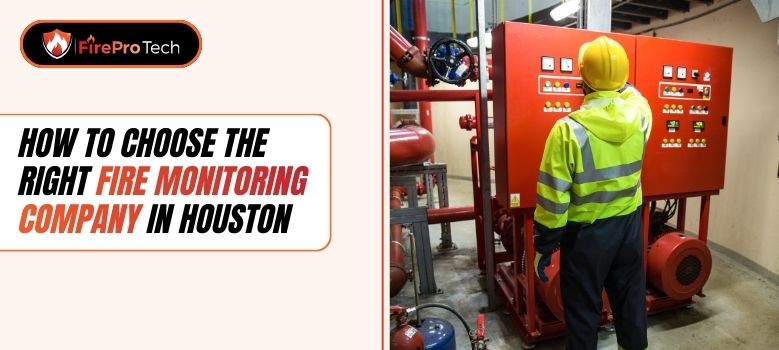
A fire monitoring company plays a far bigger role in your building’s safety than most people realize, especially for commercial properties operating in Houston’s dense, fast-moving business environment. Fire monitoring is not just about receiving alarm signals. It is about ensuring that every alert, trouble condition, and supervisory signal is handled correctly, documented properly, and escalated fast enough to protect lives, assets, and business continuity.
For property owners, facility managers, and safety officers, choosing the wrong provider can quietly introduce risk. Missed signals, slow dispatch, poor coordination with fire alarm systems, or gaps in fire alarm maintenance can all turn a manageable incident into a costly emergency. The challenge is that many providers look similar on the surface, yet operate very differently once your fire alarm systems are live and sending signals.
In Houston, where building codes, insurance expectations, and occupancy risks vary widely, selecting a fire monitoring company requires more than comparing prices or contract terms. You need to understand how monitoring works, how it connects to fire protection systems, and how well the provider coordinates with fire alarm companies responsible for inspection, testing, and ongoing service.
This guide walks you through what to look for, what questions to ask, and how to evaluate whether a fire monitoring company is truly equipped to protect your facility. The goal is to help you make a confident, informed decision that supports long-term compliance and real-world safety, not just minimum requirements.
A fire monitoring company is responsible for supervising signals from your fire alarm systems around the clock and acting on them according to established response procedures. This includes alarm signals from fire detectors, supervisory alerts tied to fire protection systems, and trouble signals that indicate faults or communication failures.
What a fire monitoring company does not do is repair devices, replace components, or perform physical fire alarm maintenance. Those tasks belong to licensed fire alarm companies. Understanding this separation of responsibility is critical. A reliable provider excels at communication, documentation, and dispatch accuracy, while working closely with service partners who maintain the hardware itself.
In Houston, many issues arise when building owners expect a monitoring provider to fix system problems. Instead, the right approach is choosing a fire monitoring company that coordinates effectively with fire alarm companies, ensuring problems are reported clearly and resolved quickly.
Strong coordination between monitoring and service providers is not optional. A fire monitoring company should be able to communicate clearly with fire alarm companies when repeated trouble signals occur, when fire alarm systems fail to restore properly, or when changes are made to devices or zones.
This coordination becomes especially important after system modifications, tenant improvements, or equipment upgrades. Fire alarm systems that are not updated correctly can generate nuisance alarms or missed signals. A capable fire monitoring company tracks these issues, flags patterns, and helps ensure the monitoring configuration stays aligned with the physical system.
For Houston facilities with multiple tenants or complex layouts, this collaboration helps prevent confusion during real emergencies and supports smoother inspections by local authorities.
Fire alarm monitoring services should never be treated as a standalone decision. They are one part of a broader fire safety strategy that includes fire detectors, fire protection systems, inspections, and ongoing fire alarm maintenance. When these elements are disconnected, risk increases.
A professional fire monitoring company understands how monitoring supports evacuation procedures, emergency response coordination, and compliance documentation. Signals must be routed correctly, contact lists must be current, and escalation paths must reflect how your building actually operates, not generic assumptions.
In Houston’s commercial environment, fire alarm monitoring services are most effective when they align with how your property is used day to day. This includes after-hours staffing, special hazard areas, and any operational constraints that could affect response time. Choosing a fire monitoring company that takes the time to understand these factors helps ensure your system works when it matters most.
Every building sends signals differently, even when fire alarm systems appear similar on paper. A warehouse, a medical office, a retail center, and a multi-tenant office building all produce very different signal patterns based on how spaces are used, occupied, and maintained. Before selecting a fire monitoring company, you must understand how your occupancy type influences alarm activity and response expectations.
For example, facilities with extended hours or overnight operations rely heavily on consistent fire alarm monitoring services because staff may not be present to recognize early warning signs. In contrast, buildings with daily occupancy shifts often generate more supervisory and trouble signals due to routine system interaction. A qualified fire monitoring company accounts for these realities when setting up response rules and notification chains.
When providers ignore occupancy-specific behavior, alarms may be delayed, escalated improperly, or treated as nuisances. That is why aligning your operational reality with the capabilities of a fire monitoring company is one of the most important early steps.
Fire detectors are only as effective as their placement and programming. Heat detectors, smoke detectors, and specialty detection devices react differently depending on environmental conditions. Kitchens, mechanical rooms, loading docks, and high-ceiling spaces all introduce unique challenges that directly impact monitoring accuracy.
A capable fire monitoring company understands how fire detectors interact with daily building activity. Excessive dust, temperature swings, or humidity can trigger repeated alerts if systems are not configured properly. While installation and adjustments fall under fire alarm companies, the monitoring provider plays a key role in identifying patterns and recommending corrective action.
In Houston, where climate conditions can influence sensor behavior, choosing a fire monitoring company that actively reviews signal trends helps prevent alert fatigue and ensures real emergencies stand out clearly.
Fire protection systems such as sprinkler systems, standpipes, and suppression systems generate supervisory and alarm signals that must be monitored continuously. These signals indicate valve positions, pressure changes, and system impairments that may not be immediately visible on-site.
A fire monitoring company should clearly explain how these fire protection systems are supervised and how issues are escalated. Missed supervisory signals can leave a building unknowingly unprotected for extended periods. When monitoring is properly integrated, impairments are identified quickly and addressed before fire inspections or emergencies expose vulnerabilities.
Understanding how your fire protection systems connect to monitoring helps you evaluate whether a fire monitoring company is prepared to support the full scope of your life safety infrastructure.
Daily operations matter more than marketing promises. A fire alarm system monitoring company must process signals accurately, maintain detailed records, and follow predefined response protocols without hesitation. This includes handling alarms, supervisory alerts, and trouble conditions consistently, regardless of time or staffing levels.
A professional fire monitoring company maintains redundancy, trained operators, and clear procedures to prevent missed or mishandled events. You should expect transparency in how signals are logged, how contacts are notified, and how dispatch decisions are made. Day-to-day reliability is where strong providers separate themselves from average ones.
For Houston properties, this consistency is essential due to varying occupancy schedules and compliance expectations tied to local enforcement.
Single-location buildings and multi-site organizations require very different monitoring approaches. Fire alarm monitoring services for a single property may focus on simplicity and direct communication. Multi-site operations require centralized reporting, standardized response rules, and clear differentiation between locations.
A fire monitoring company experienced with multi-site monitoring understands how to manage signal volume without confusion. Zone descriptions, site identifiers, and contact hierarchies must be precise. Without this structure, response delays become more likely as portfolios grow.
Choosing a provider that can scale fire alarm monitoring services alongside your business helps avoid future transitions that disrupt protection and compliance.
After-hours monitoring is often misunderstood. True coverage means uninterrupted supervision, immediate signal processing, and consistent escalation, not just answering calls overnight. A dependable fire monitoring company treats after-hours events with the same urgency and accuracy as daytime alarms.
This is especially important when fire alarm maintenance issues arise outside normal business hours. Trouble signals, communication failures, or disabled fire alarm systems require timely notification so corrective action can begin as soon as possible.
For Houston facilities operating around the clock or sitting vacant overnight, after-hours performance is a critical measure of whether a fire monitoring company can be trusted when no one else is watching.
Commercial properties carry higher stakes, higher occupancy loads, and stricter compliance requirements. A commercial fire alarm monitoring company is built to handle these pressures, while basic providers often focus on smaller or less complex systems. The difference shows up in operator training, response speed, documentation practices, and familiarity with commercial fire alarm systems.
A qualified fire monitoring company understands how commercial environments generate a wider range of signals, including supervisory conditions tied to fire protection systems and maintenance-related alerts. These signals must be interpreted correctly to avoid unnecessary dispatch while still maintaining life safety. When evaluating providers, it is critical to confirm that the fire monitoring company has direct experience with commercial fire alarm monitoring company expectations, not just residential or light-use accounts.
For Houston businesses, this distinction is especially important due to local inspection rigor and insurance oversight.
Not all fire alarm systems communicate equally well with every monitoring platform. Panel compatibility, communication pathways, and programming standards all influence reliability. A knowledgeable fire monitoring company verifies that your fire alarm systems are properly configured before monitoring begins, reducing the risk of signal loss or misinterpretation.
This includes confirming that fire detectors, notification appliances, and supervisory devices are mapped accurately to zone descriptions used by the monitoring center. When mismatches occur, response delays become more likely during emergencies. Fire alarm companies handle physical installation and programming, but the monitoring provider must validate that signals arrive cleanly and consistently.
A strong fire monitoring company treats system compatibility as a shared responsibility, not an afterthought.
Response workflow defines what happens when seconds matter. A fire monitoring company should clearly outline how alarms are verified, when emergency services are contacted, and how designated contacts are notified. These procedures must be customized to match how your building operates, not applied generically.
For commercial properties, escalation often involves multiple stakeholders, including property management, security teams, and maintenance personnel. Fire alarm monitoring services that lack clear escalation rules can create confusion during critical moments. Reviewing these workflows before committing to a fire monitoring company helps ensure expectations align with real-world response.
Fire alarm maintenance directly affects monitoring performance. Poorly maintained systems generate frequent trouble signals, false alarms, and communication failures that strain both staff and monitoring centers. A proactive fire monitoring company tracks these patterns and encourages timely corrective action.
While fire alarm maintenance is performed by licensed fire alarm companies, the monitoring provider plays a key role by identifying recurring issues and reporting them clearly. Over time, this collaboration improves signal quality and reduces unnecessary dispatches. In Houston’s demanding commercial landscape, this feedback loop is essential for long-term reliability.
Choosing a fire monitoring company that values maintenance awareness helps protect both compliance and operational efficiency.
Testing and inspection documentation feeds directly into monitoring accuracy. When fire alarm companies complete inspections, any deficiencies or system changes must be communicated to the fire monitoring company. Failure to update monitoring records can result in outdated zone descriptions or incorrect response actions.
A dependable fire monitoring company maintains detailed records and updates them promptly after maintenance or system changes. This ensures that when alarms occur, operators have accurate information. Clear documentation also supports audits, inspections, and internal safety reviews.
For commercial facilities in Houston, accurate records often make the difference between a smooth inspection and costly corrections.
Many monitoring failures are preventable. Communication devices, aging fire detectors, depleted batteries, and programming drift are common sources of trouble signals. A fire monitoring company that actively reviews system performance can spot these issues early.
Rather than treating repeated alerts as noise, an experienced provider recognizes them as warning signs. By coordinating with fire alarm companies, the fire monitoring company helps address root causes before they escalate into system outages or compliance violations.
Reliability is not accidental. It is the result of consistent monitoring practices, disciplined maintenance, and a fire monitoring company that treats every signal as meaningful.
The interview stage is where many decision-makers rush, yet this is where risk can be reduced the most. Speaking directly with a fire monitoring company allows you to evaluate not just services, but mindset. Ask how signals are handled, how often procedures are reviewed, and how operators are trained to manage complex commercial environments.
A credible fire monitoring company should explain its process clearly without relying on vague assurances. Pay attention to how confidently they discuss alarm signals, supervisory conditions, and trouble events. If answers feel generic, that is often a sign the provider treats monitoring as a commodity rather than a life safety responsibility.
In Houston, where response accuracy matters, the way a fire monitoring company communicates during the interview often mirrors how it will perform during real events.
Transparency is a defining trait of reliable fire alarm monitoring services. During evaluation, ask how reports are generated, how long records are retained, and how clients access historical data. These details matter during inspections, audits, and internal reviews.
A professional fire monitoring company should offer clear visibility into alarm history, response actions, and communication logs. This level of reporting supports accountability and helps identify trends related to fire alarm systems and fire detectors. When monitoring providers hesitate to explain reporting practices, it may indicate limited infrastructure or inconsistent processes.
Strong fire alarm monitoring services support informed decision-making long after installation is complete.
Switching providers or onboarding a new facility introduces risk if not handled carefully. A capable fire monitoring company plans transitions methodically, verifying signal paths, testing communication, and coordinating with fire alarm companies to prevent gaps in coverage.
Ask how takeovers are managed, how long testing typically takes, and what safeguards are in place during cutover. A seasoned fire monitoring company will prioritize continuity and ensure monitoring is active before any previous service is disconnected.
For Houston facilities with strict compliance deadlines, transition planning is not optional. It is a critical measure of a provider’s professionalism.
Implementation is where theory becomes reality. A fire monitoring company operating in Houston must account for local permitting processes, inspection coordination, and jurisdictional expectations. Cutovers should be scheduled to minimize disruption while ensuring all signals are verified thoroughly.
A structured implementation includes communication testing, zone verification, and confirmation that emergency contacts are correct. A dependable fire monitoring company treats this phase as a collaborative effort, working alongside fire alarm companies and facility staff to ensure nothing is overlooked.
Smooth cutovers reduce false alarms, missed signals, and unnecessary stress during the early days of monitoring.
Monitoring does not exist in isolation. Fire protection systems such as sprinklers and suppression equipment must be fully integrated into the monitoring strategy. Supervisory alerts related to valve positions or pressure changes are just as important as alarm signals.
A knowledgeable fire monitoring company aligns monitoring protocols with how your building operates day to day. This includes understanding after-hours access, security procedures, and maintenance schedules. When monitoring aligns with operations, response becomes faster and more accurate.
For Houston businesses managing complex facilities, this coordination supports both safety and operational efficiency.
FirePro Tech, LLC approaches fire monitoring services with a focus on real-world performance, not just contractual obligations. As a fire monitoring company serving Houston commercial properties, FirePro Tech, LLC emphasizes clear communication, accurate signal handling, and close coordination with fire alarm companies responsible for system maintenance.
By aligning monitoring practices with fire alarm systems, fire detectors, and fire protection systems, FirePro Tech, LLC helps clients maintain compliance while reducing unnecessary disruptions. The goal is to provide fire monitoring services that support long-term safety, reliability, and confidence.
Choosing a fire monitoring company is ultimately about trust. With the right partner, monitoring becomes a seamless extension of your overall fire safety strategy rather than a constant source of concern.
Choosing the right fire monitoring company is not a decision that should be rushed or simplified to pricing alone. Monitoring sits at the center of your entire fire safety strategy, connecting fire alarm systems, fire detectors, fire protection systems, and emergency response into a single, continuous process. When monitoring works properly, issues are identified early, alarms are handled correctly, and compliance becomes easier to manage.
For commercial properties in Houston, the stakes are even higher. Local enforcement, insurance requirements, and complex building layouts demand a fire monitoring company that understands commercial operations and can adapt monitoring practices to real-world conditions. From initial evaluation through daily signal handling and long-term reporting, consistency and clarity matter.
By focusing on your building’s needs, understanding how monitoring works, and asking the right questions, you position yourself to select a fire monitoring company that supports safety instead of creating hidden risk. When monitoring aligns with maintenance, operations, and compliance goals, it becomes a reliable safeguard rather than a reactive expense.
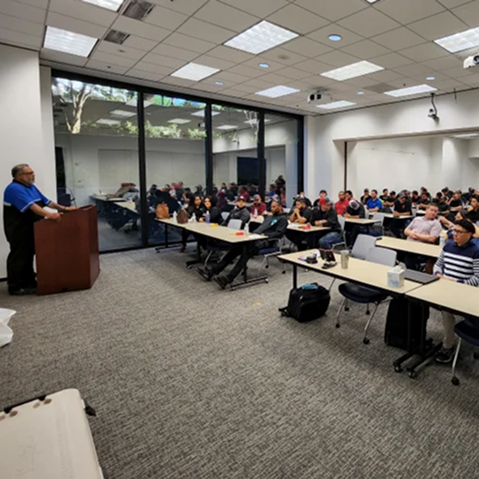
A fire monitoring company is responsible for supervising signals from fire alarm systems around the clock and responding according to established procedures. This includes alarm signals, supervisory alerts from fire protection systems, and trouble conditions indicating faults. The fire monitoring company does not repair equipment but ensures signals are received, documented, and escalated correctly. For commercial buildings, this role is critical because monitoring bridges the gap between detection and emergency response, helping protect occupants and property even when no one is on-site.
Fire alarm monitoring works by transmitting signals from fire alarm systems to a monitoring center using dedicated communication paths. When a signal is received, trained operators follow predefined response protocols, which may include contacting emergency services and notifying designated contacts. A fire monitoring company ensures this process runs continuously, including nights and weekends. Proper monitoring depends on accurate system programming, reliable communication devices, and up-to-date contact information to avoid delays during emergencies.
In many cases, yes. Fire alarm monitoring is often required by local codes, insurance carriers, or occupancy classifications for commercial properties. Requirements vary based on building type, size, and use. A fire monitoring company familiar with Houston regulations can help clarify whether monitoring is mandatory for your facility. Even when not strictly required, monitoring is widely considered a best practice because it provides constant oversight and faster response when incidents occur.
Monitored fire alarm systems send signals to a monitoring center, while non-monitored systems rely solely on on-site alerts. Without a fire monitoring company, alarms may go unnoticed if a building is unoccupied or staff are unable to respond. Monitored systems ensure alarms, supervisory issues, and trouble signals are addressed promptly. This difference is especially important for commercial buildings where after-hours protection and compliance documentation are critical.
A commercial fire alarm monitoring company should have experience with complex systems, clear response procedures, and strong reporting capabilities. Look for providers that understand how commercial fire alarm systems and fire protection systems interact. A reliable fire monitoring company should communicate clearly, coordinate with fire alarm companies, and offer transparency into signal handling and records. These factors help ensure monitoring supports both safety and regulatory compliance.
Costs for fire alarm monitoring services vary based on system complexity, number of signals, communication methods, and service level. While pricing matters, it should not be the primary deciding factor. A lower-cost fire monitoring company may lack the infrastructure or expertise needed for commercial environments. Evaluating value, reliability, and long-term support helps ensure monitoring costs align with actual protection provided.
Fire alarm systems typically require regular inspection, testing, and fire alarm maintenance based on code requirements and manufacturer guidelines. These activities are performed by licensed fire alarm companies, but results directly affect monitoring performance. A fire monitoring company relies on accurate, well-maintained systems to reduce false alarms and trouble signals. Consistent maintenance supports reliable monitoring and smoother inspections.
When a monitored fire alarm activates, the fire monitoring company receives the signal and follows established response procedures. Alarm signals usually trigger immediate escalation, while trouble signals indicate system issues that need attention. Operators document each event and notify appropriate contacts. This structured response ensures issues are addressed quickly and that building owners have a clear record of what occurred and how it was handled.
Fire safety is a major concern for business owners in Houston and surrounding communities, where...
In Houston and nearby areas, a thorough fire code inspection is more than just a...

Ensuring fire safety in Houston and surrounding areas begins with understanding the essential fire extinguisher...