

Fire alarm systems are the backbone of modern fire safety, yet many building owners don’t fully understand how much they rely on them until something goes wrong. Whether you manage a small commercial property or oversee a large facility, the ability to detect danger early and alert occupants quickly can mean the difference between a controlled incident and a catastrophic loss.
In today’s buildings, fire risks are more complex than ever. Electrical loads are higher, spaces are more densely occupied, and operations often run around the clock. A single overlooked issue can escalate fast. That’s why dependable fire alarm systems are not just a code requirement, but a practical necessity for protecting people, property, and business continuity.
At FirePro Tech, LLC, we regularly work with building owners who assumed their existing setup was “good enough,” only to discover gaps during inspections, renovations, or emergency events. A reliable fire alarm solution is not about installing devices and walking away. It’s about thoughtful design, proper installation, and long-term performance that adapts as your building changes.
This article breaks down why every building needs a reliable solution in place, starting with the real-world value these systems deliver beyond basic compliance.
The primary job of fire alarm systems is simple in theory and critical in practice: detect danger early and give people time to react. Smoke and heat can spread far faster than most people expect, especially in commercial environments with open ceilings, shared air systems, or interconnected spaces.
When detection devices activate promptly, occupants gain precious minutes to evacuate safely. Those minutes also allow emergency responders to arrive before conditions worsen. Without reliable signaling and notification, even a small incident can grow unchecked. This early warning function is the foundation of all effective fire safety services, and it’s one area where reliability cannot be compromised.
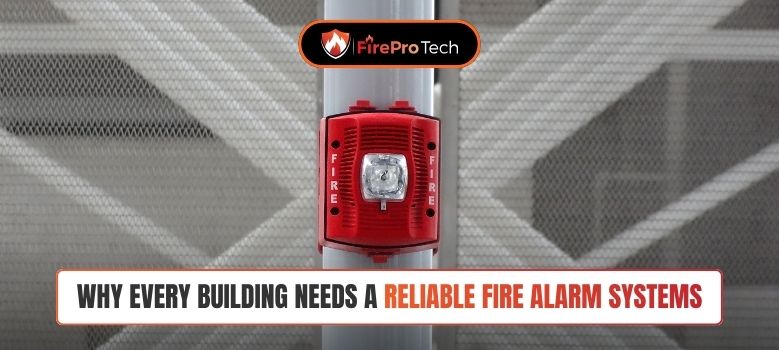
In an emergency, confusion is common. Alarms must be loud, visible, and unmistakable. Modern fire alarm systems are designed to deliver clear signals using audible and visual notifications that cut through noise, distractions, and panic.
Consistency matters here. Devices that fail intermittently or trigger false alarms can cause occupants to hesitate or ignore alerts altogether. FirePro Tech, LLC often sees buildings where outdated components or poor installation have reduced trust in the system. A reliable setup restores confidence, ensuring that when an alarm activates, people know it’s time to act.
Fires don’t just threaten lives; they disrupt operations. Even a minor incident can shut down a building for days or weeks due to smoke damage, investigations, or repairs. Reliable fire alarm systems help limit damage by ensuring faster response and quicker intervention.
From a business standpoint, this protection extends to insurance considerations and liability exposure. Insurers and authorities expect properly functioning systems that meet current standards. When alarms fail, building owners may face denied claims, fines, or legal challenges. Investing in reliability upfront often costs far less than dealing with the aftermath of system failure.
Meeting code requirements is important, but compliance alone doesn’t guarantee safety. Codes define minimum standards, not optimal performance. Buildings evolve over time, with layout changes, tenant improvements, and new equipment that can alter fire risks.
Fire alarm systems must evolve alongside these changes. Regular evaluations, updates, and professional oversight ensure that coverage remains effective. FirePro Tech, LLC approaches fire alarm services with this long-term mindset, helping property owners move beyond checkbox compliance toward dependable protection.
In commercial properties, reliability becomes even more critical. A single building may house offices, retail areas, storage rooms, and mechanical spaces, each with unique hazards. Fire alarm systems must coordinate detection, notification, and system responses across all these zones without delay.
Integration with other building features adds another layer of responsibility. Elevators, access-controlled doors, and HVAC systems often rely on alarm signals to respond appropriately during emergencies. If the alarm system fails, these connected systems may not function as intended, increasing risk. Reliability ensures that every component works together when it matters most.
A dependable system doesn’t happen by accident. It’s the result of proper design, skilled installation, and ongoing support from experienced professionals. FirePro Tech, LLC works closely with building owners to assess risks, plan effective layouts, and maintain long-term system performance.
This partnership approach helps ensure that fire alarm systems continue to do their job year after year, even as buildings change and demands increase. Reliability is not a one-time achievement; it’s an ongoing commitment to safety, accountability, and preparedness.
By understanding why reliability matters at every level, building owners can make smarter decisions that protect occupants, preserve assets, and support uninterrupted operations.
Understanding how fire alarm systems function beyond the surface level helps building owners appreciate why design, installation, and maintenance matter so much. These systems are not just devices that make noise. They are coordinated networks designed to sense danger, process information, and trigger the right response in seconds.
When smoke, heat, or flames begin to develop, fire alarm systems rely on initiating devices to recognize abnormal conditions. These devices constantly monitor their environment, even when the building is unoccupied. The moment a threshold is crossed, a signal is sent to the control panel for evaluation.
The control panel acts as the system’s command center. It determines whether the signal represents a true emergency, a supervisory condition, or a system trouble. In well-designed fire alarm systems, this decision-making process is nearly instantaneous, reducing delays that could put lives and property at risk.
Initiating devices are the frontline components of fire alarm systems. Smoke detectors are typically used in occupied and finished spaces, while heat detectors are often installed in mechanical rooms or areas where smoke detection may cause nuisance alarms. Manual pull stations add a human-triggered layer, allowing occupants to activate the system if they see a fire before detectors respond.
Proper placement is critical. Devices installed too close together or too far apart can compromise coverage. FirePro Tech, LLC evaluates ceiling heights, airflow, and room usage to ensure detection devices perform reliably in real-world conditions, not just on paper.
Once a signal reaches the control panel, the system determines what actions to take. Modern fire alarm systems can identify specific device locations, helping responders pinpoint the source of danger quickly. This precision is especially valuable in large commercial properties where time and clarity are essential.
The control panel also supervises wiring, power supplies, and communication paths. If something fails, it generates a trouble signal before an emergency ever occurs. This constant self-checking is a key reason professionally installed systems outperform outdated or poorly maintained ones.
After confirmation, fire alarm systems activate notification appliances throughout the building. Audible alarms, visual strobes, and in some cases voice instructions alert occupants to take action. The goal is to communicate clearly, even in noisy or crowded environments.
At the same time, signals can be sent to a monitoring center or trigger integrated building responses. Elevators may recall, doors may unlock, and HVAC systems may shut down to limit smoke spread. FirePro Tech, LLC emphasizes this coordination because alarms alone are not enough without the right supporting actions.
Commercial buildings face different risks and responsibilities than residential spaces. A commercial fire alarm system is designed to handle higher occupancy levels, larger footprints, and more complex operational needs.
In a home, alarms are often standalone devices with limited integration. In contrast, a commercial fire alarm system is a centralized network that monitors multiple zones and devices simultaneously. These systems are built to support detailed reporting, supervision, and compliance requirements.
Fire alarm systems in commercial settings must also accommodate varied uses within a single structure. Offices, storage areas, kitchens, and mechanical rooms each require different detection strategies. A one-size-fits-all approach rarely works in these environments.
Conventional systems group devices into zones, indicating the general area of an alarm. Addressable systems identify the exact device that activated. For many businesses, addressable fire alarm systems offer faster response and easier troubleshooting, especially in larger buildings.
Choosing between these designs depends on building size, budget, and operational complexity. FirePro Tech, LLC helps clients weigh these factors to select a system that balances performance with practicality.
As buildings grow more complex, so do their fire risks. Multi-floor properties require vertical coordination, while multi-tenant spaces demand clear separation and accountability. Fire alarm systems must be designed to notify the right occupants without causing unnecessary disruption to others.
Zoning, annunciation, and control become critical in these scenarios. Proper system layout ensures that alarms guide people safely without confusion. This level of planning is where experienced fire alarm services make a measurable difference.
A commercial fire alarm system rarely operates in isolation. It often connects with sprinkler systems, emergency lighting, and access control. When one component activates, others must respond correctly to support evacuation and firefighting efforts.
Fire alarm systems that are poorly integrated can create conflicting signals or delayed responses. FirePro Tech, LLC focuses on seamless coordination so that every connected feature works together during an emergency, not against each other.
By understanding how these systems operate and what makes commercial applications unique, building owners can make informed decisions that support safety, compliance, and long-term reliability.
Fire alarm systems deliver real protection only when installation is handled with precision and foresight. Even the most advanced equipment can fall short if it is installed without considering building layout, occupancy patterns, and future use. Proper fire alarm installation is about strategy as much as it is about hardware.
Every successful project starts with planning. Before any devices are mounted or wires are run, the building must be evaluated as a whole. This includes understanding how people move through the space, where fire risks are highest, and how the building may change over time.
Fire alarm systems must align with local codes while also addressing real-world conditions like ceiling height, ventilation, and ambient noise. FirePro Tech, LLC approaches this phase carefully, knowing that decisions made early affect performance for years to come.
Once planning is complete, fire alarm system installation moves into execution. Devices are installed according to the approved design, ensuring proper spacing and coverage. Control panels are configured to recognize each device and communicate clearly during an event.
During this phase, coordination with other trades is essential. Electrical work, ceiling finishes, and mechanical systems all interact with fire alarm systems. Poor coordination can lead to delays or rework. Experienced teams help keep installation efficient without sacrificing quality.
Installation is not complete until the system is tested under real conditions. Every device must activate properly, and every signal must reach its intended destination. Fire alarm systems are verified to ensure alarms are audible and visible throughout the building.
FirePro Tech, LLC places strong emphasis on this stage because it confirms reliability. Documentation, testing records, and owner training all contribute to long-term confidence in the system’s performance.
Many issues traced back to system failure originate during installation. Devices placed too close to air vents, insufficient coverage in remodeled areas, or improper wiring supervision can all undermine fire alarm systems.
Commercial fire alarm installation requires experience with complex environments. Avoiding shortcuts and following proven processes helps ensure the system works correctly not just on fire inspection day, but during an actual emergency.
One of the most common sources of confusion for building owners is the difference between smoke alarms and complete fire alarm systems. While both play important roles, they are not interchangeable, especially in commercial settings.
Smoke alarm installation is typically suitable for small, simple spaces where risks are limited and occupancy is low. These devices are designed to alert nearby occupants but often lack centralized monitoring or system-wide coordination.
In certain areas of larger buildings, smoke alarms may still be used as part of a broader strategy. However, relying on standalone devices alone can leave gaps in detection and notification.
Standalone smoke alarms operate independently. If one activates, others may not respond. Fire alarm systems, by contrast, are designed to communicate across the entire building, ensuring a coordinated response.
This distinction becomes critical during fast-moving incidents. Fire alarm systems provide broader awareness, clearer alerts, and better integration with other safety features. FirePro Tech, LLC often helps clients transition from piecemeal setups to cohesive solutions that reduce risk.
Misunderstandings often arise when owners believe smoke alarms provide the same protection as full fire alarm systems. Clear communication is essential. Occupants expect alarms to guide them safely, not just make noise.
By evaluating building use and risk, FirePro Tech, LLC helps determine when smoke alarm installation is sufficient and when a complete system is necessary. This clarity helps owners make informed decisions that align safety expectations with actual system capabilities.
Smoke alarms and fire alarm systems also differ in maintenance requirements. Standalone devices are often overlooked until batteries fail or false alarms occur. Fire alarm systems are supervised, monitored, and tested regularly to ensure ongoing reliability.
For commercial properties, this ongoing oversight is critical. Choosing the right approach from the start helps avoid costly upgrades later and ensures consistent protection as the building evolves.
Understanding the difference between smoke alarms and full systems allows building owners to invest wisely. When safety, compliance, and reliability are priorities, a professionally designed solution delivers far greater peace of mind.
Fire alarm systems do not stop working when a building is empty, and neither should the response to an emergency. This is where the role of a fire alarm monitoring company becomes critical. Monitoring adds a layer of fire protection that ensures alarms lead to action, even when no one is on-site to respond.
A fire alarm monitoring company receives signals from fire alarm systems around the clock. When an alarm, trouble, or supervisory condition occurs, the monitoring center verifies the signal and notifies the appropriate parties. This may include emergency responders, building contacts, or maintenance teams, depending on the situation.
Without monitoring, fire alarm systems rely entirely on occupants to notice and react. In unoccupied buildings or during off-hours, this delay can allow a small incident to escalate. FirePro Tech, LLC regularly advises clients that monitoring is not an upgrade; it is a core component of effective fire safety services.
Modern fire alarm systems use dedicated communication paths to transmit signals quickly and securely. These paths are supervised so failures are detected immediately. If a communication issue occurs, alerts are generated before an emergency ever happens.
This constant supervision ensures reliability. A monitored system does not just sound alarms; it confirms that help is on the way. FirePro Tech, LLC helps clients understand these communication methods so they can choose solutions that fit their building and risk profile.
One of the most overlooked benefits of monitoring is its ability to catch problems early. Fire alarm systems can experience wiring faults, power issues, or disabled devices that go unnoticed without supervision.
A fire alarm monitoring company identifies these issues and prompts corrective action. This prevents situations where a system appears functional but fails during an emergency. For commercial properties, this proactive oversight supports compliance and long-term reliability.
Not every building has the same operational schedule or risk exposure. Some properties are occupied 24/7, while others sit empty overnight. Fire alarm systems must be monitored in a way that reflects these realities.
FirePro Tech, LLC works with building owners to align monitoring strategies with occupancy patterns and business operations. This tailored approach ensures alarms always lead to timely response, regardless of when an incident occurs.
Selecting the right partner is just as important as choosing the right equipment. Fire alarm systems perform best when they are supported by knowledgeable professionals who understand both codes and real-world conditions.
Not all fire alarm system companies offer the same level of service. Some focus only on installation, while others provide long-term support. The difference becomes apparent over time, especially when buildings change or issues arise.
Experienced providers understand how fire alarm systems interact with building operations. They anticipate challenges rather than reacting to them. FirePro Tech, LLC emphasizes this proactive mindset, helping clients avoid surprises through careful planning and ongoing service.
A fire alarm company can install devices and move on. A true safety partner stays involved. Fire alarm systems require inspections, testing, repairs, and occasional upgrades to remain effective.
FirePro Tech, LLC approaches fire alarm services as an ongoing relationship. This ensures systems remain aligned with code requirements and building use, reducing risk and administrative burden for owners and managers.
Behind every reliable system is a skilled fire alarm technician. These professionals understand how fire alarm systems function as a whole, not just as individual components. Their expertise affects everything from device placement to troubleshooting complex issues.
A qualified technician can identify subtle problems before they become major failures. FirePro Tech, LLC invests in experienced technicians because their work directly impacts safety and system longevity.
Houston buildings face unique challenges, from large commercial footprints to diverse occupancy types. Fire alarm systems must be designed and maintained with these factors in mind.
FirePro Tech, LLC provides comprehensive fire alarm services that support the full lifecycle of a system. From initial design coordination to installation, monitoring support, inspections, and repairs, this holistic approach helps building owners maintain confidence in their protection strategy.
Choosing the right provider ensures fire alarm systems are not just installed, but truly dependable. With the right expertise and oversight, buildings remain protected, compliant, and prepared for the unexpected.
Reliable fire alarm systems are not optional features or background infrastructure. They are active safety tools that protect lives, safeguard property, and support uninterrupted operations across all types of buildings. From early detection and clear notification to monitoring and professional oversight, every component plays a role in reducing risk when seconds matter most.
Throughout this guide, we’ve explored how fire alarm systems function, why proper installation matters, and how commercial environments demand a higher level of planning and coordination. We’ve also addressed common points of confusion, such as the difference between standalone devices and fully integrated systems, and the importance of monitoring and long-term service support.
Fire safety is not static. Buildings change, codes evolve, and risks shift over time. That’s why working with experienced professionals is critical. FirePro Tech, LLC helps building owners take a proactive approach by designing, installing, and supporting fire alarm systems that are built for real-world conditions, not just initial approval.
When reliability is treated as an ongoing commitment rather than a one-time task, fire alarm systems become a powerful asset instead of a compliance concern. The right decisions today can prevent costly consequences tomorrow.
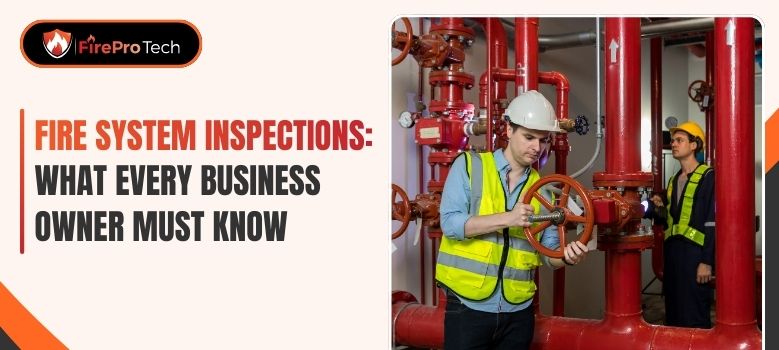
Fire alarm systems in commercial buildings must be inspected and tested on a regular schedule to remain reliable and compliant. Most codes require periodic inspections, functional testing, and documentation to confirm that all components are operating as intended. These checks help identify issues such as device failures, wiring problems, or power supply concerns before they affect performance. FirePro Tech, LLC works with property owners to establish inspection and testing routines that align with local requirements and the specific needs of each building, ensuring systems remain dependable year-round.
The main difference lies in how events are reported. Conventional fire alarm systems group devices into zones, so alarms indicate a general area. Addressable systems identify the exact device that activated, providing faster and more precise information. In larger or more complex buildings, addressable fire alarm systems often improve response time and simplify troubleshooting. FirePro Tech, LLC helps clients evaluate building size, layout, and operational needs to determine which approach offers the best balance of clarity and efficiency.
The cost of fire alarm installation varies widely based on building size, system type, occupancy, and code requirements. Fire alarm systems designed for larger or multi-tenant properties typically require more devices, coordination, and testing. Rather than focusing on a flat price, it’s more accurate to assess value over time. FirePro Tech, LLC emphasizes proper design and installation to reduce long-term maintenance issues and avoid costly corrections later.
Proper placement is essential for effective detection. Smoke alarm installation should account for ceiling height, airflow, and room function. Detectors placed too close to vents or cooking areas may cause false alarms, while poor coverage can delay detection. In many commercial settings, smoke alarms are only one part of larger fire alarm systems. FirePro Tech, LLC evaluates each space to ensure devices are positioned for reliable performance and compliance.
Most commercial properties benefit significantly from professional monitoring. A fire alarm monitoring company ensures that signals from fire alarm systems lead to action even when a building is unoccupied. Monitoring also identifies trouble conditions that might otherwise go unnoticed. FirePro Tech, LLC frequently recommends monitoring as a critical layer of protection, especially for buildings with overnight downtime or limited on-site staff.
Timelines depend on project scope, building complexity, and coordination with other trades. Smaller projects may take days, while larger fire alarm systems can require weeks from planning through final acceptance. Permitting, inspections, and testing all factor into the schedule. FirePro Tech, LLC manages these phases carefully to minimize disruption while maintaining quality and compliance.
Choosing between fire alarm system companies involves more than comparing prices. Experience, technician expertise, service offerings, and long-term support all matter. Fire alarm systems require ongoing attention, so selecting a provider that understands local conditions and remains involved after installation is essential. FirePro Tech, LLC focuses on building long-term partnerships that support safety and reliability throughout the system’s lifecycle.
False fire alarms often result from improper device placement, lack of maintenance, or changes in building use. Dust, steam, and airflow changes can all affect fire alarm systems if not addressed properly. Regular inspections and system adjustments reduce these issues significantly. FirePro Tech, LLC helps building owners identify root causes and fine-tune systems to maintain reliability without unnecessary disruptions.
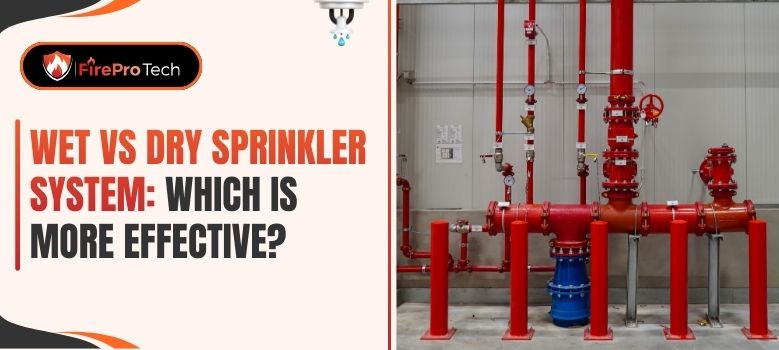
Choosing the right fire sprinkler system is an essential step in safeguarding properties from fire...
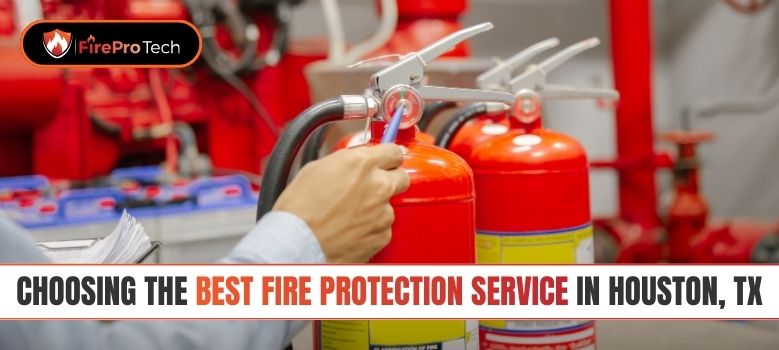
Choosing the right fire protection service in Houston TX is critical to protecting your home...
Businesses in Houston and nearby areas rely on dependable fire protection services to protect their...