

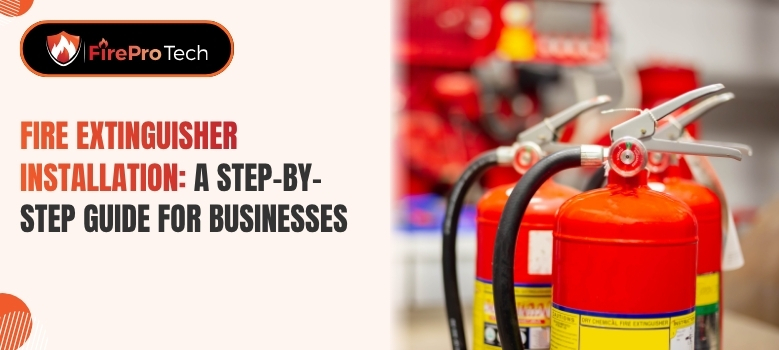
Best Fire extinguisher installation is a practical business decision when you need reliable first-response protection without creating confusion about placement, equipment selection, or ongoing responsibilities.
A unit that is technically present but blocked, difficult to identify, unsuitable for the hazard, or poorly maintained may not provide the protection your employees and visitors expect.
This guide explains how commercial installation typically works, what professionals evaluate before mounting equipment, which mistakes create avoidable problems, how costs are influenced, and what your business should do after installation.
FirePro Tech, LLC supports businesses in Houston with fire protection services that can help connect installation needs with inspection, testing, maintenance, and compliance planning.
A successful installation begins before anyone drills a hole or places a label. The first task is understanding what could burn, where a fire could start, who may need to respond, and how people move through the building.
This planning stage helps prevent the common mistake of treating every room as though it has the same fire risk. Include this check in fire extinguisher installation services planning.
A professional review generally considers the building’s layout, occupancy, processes, fuel sources, equipment, storage areas, exits, and access routes. A small office, an apartment common area, a warehouse, and a manufacturing space may all need different planning because the hazards and operating conditions are not the same.
Typical considerations may include ordinary combustible materials such as paper, cardboard, furnishings, and packaging; flammable liquids or gases; energized electrical equipment; cooking-related hazards; welding or hot-work areas; battery charging; machinery; and outdoor or specialized operations. The presence of a hazard does not automatically determine one universal solution.
The equipment and placement should be evaluated in context. Document this step during fire extinguisher installation.
The review should also account for changes that are easy to miss during a routine walkthrough. A tenant may have added storage racks, rearranged office partitions, expanded a production area, installed new electrical equipment, or converted a room to a different use.
Existing units may still be on the walls, but the original arrangement may no longer match the current risk profile.
Different types of extinguishing equipment are intended for different fire scenarios. Selecting a unit because it is familiar, inexpensive, or already used elsewhere in the building can create a serious mismatch. Include this check in best fire extinguisher installation planning.
A professional evaluates the hazard and the equipment’s listing, rating, application, and compatibility with the area where it will be installed.
The decision may involve more than extinguisher type. Capacity, rating, environmental conditions, potential obstruction, temperature exposure, corrosion risk, and the ability of occupants to use the equipment fire safety regulations can all matter.
In some locations, a portable extinguisher is one part of a broader fire protection plan rather than the only safeguard.
A good installation plan also avoids placing equipment where it could be damaged or difficult to retrieve. For example, a unit located directly beside a loading path may be vulnerable to impact, while one hidden behind stored materials may be unavailable during an emergency.
The best position is visible, accessible, and close enough to the relevant hazard without forcing someone to move toward the fire unnecessarily. Plan for this issue as part of best fire extinguisher installation.
Your employees may be the first people to notice a small fire, but they should never be expected to take action in conditions that are unsafe.
Installation planning should preserve escape routes and support a clear decision: evacuate and call emergency services when conditions are dangerous, and only trained or otherwise appropriately instructed personnel should consider using an extinguisher when the fire is small and an exit remains available.
FirePro Tech, LLC can help businesses evaluate their fire protection needs in relation to facility use and operational conditions. That conversation is particularly useful when a building is new, remodeled, changing tenants, expanding operations, or preparing for an inspection.
Commercial fire extinguisher installation is more than attaching equipment to a wall. The work should result in a setup that people can find quickly, that does not interfere with normal operations, and that can be inspected and maintained over time.
The exact process varies by building and authority having jurisdiction, but the following sequence provides a useful framework for business owners and facility managers.
The installation team may review floor plans, walk the facility, identify hazards, and examine existing fire extinguisher services or mounting locations.
This step can reveal problems that are not obvious from a list of equipment, including blocked corridors, poor visibility, unsuitable mounting surfaces, damaged cabinets, missing identification, or units located too far from the areas they are intended to protect. Keep this requirement visible during best fire extinguisher installation.
If a business is replacing or relocating existing equipment, the condition of each unit matters. An extinguisher that appears intact from a distance may have an expired service record, pressure concerns, corrosion, damaged components, or other conditions requiring professional attention. It should not automatically be treated as ready for reinstallation.
Placement should support quick recognition and access. Units are commonly positioned along routes that occupants use, near identified hazards, and in locations where they remain visible and reachable. Make this step part of fire extinguisher installation.
Mounting height, clearance, signage, cabinet selection, and protection from physical damage may need to be addressed according to the equipment, building conditions, and applicable requirements.
The mounting surface is also important. A wall that looks suitable may not support the intended hardware, particularly in areas with vibration, moisture, impact exposure, or unusual construction. In some facilities, cabinets or protective arrangements may be appropriate; in others, they can create access or visibility issues if installed poorly.
The goal is not to fill every open wall with equipment. Excessive or poorly arranged units can create clutter, obstruct operations, and make inspection records harder to manage. A documented layout based on actual risks is generally more useful than an arbitrary placement pattern.
Once the plan is confirmed, the equipment is mounted or placed as appropriate, identified, and checked for accessibility. Plan for this issue as part of best fire extinguisher installation.
The technician should verify that the unit is the intended type, that it is secure, that its physical condition is acceptable, and that the installation does not interfere with doors, aisles, machinery, stored materials, or emergency movement.
Documentation is an important part of the job. Your records may need to show what was installed, where it was installed, when the work was completed, and what follow-up inspection or maintenance may be needed.
Keeping floor plans, service records, and asset information together makes future inspections and facility changes easier to manage. Include this check in fire extinguisher installation planning.
This is also the point at which unresolved conditions should be identified rather than hidden. If an area needs additional review, a unit requires service, or building changes affect the plan, a clear written explanation gives the property or facility manager a basis for making the next decision.
Portable extinguishers are only one part of a business’s fire protection program. Depending on the property, installation may need to be coordinated with other systems, emergency procedures, construction work, or inspection scheduling. A change in occupancy or process can affect more than the extinguisher locations.
FirePro Tech, LLC provides fire protection services involving inspection, testing, maintenance, installation, and compliance support where applicable to the project. Coordinating related work can reduce the chance that a newly installed unit is overlooked during the next service cycle. Keep this requirement visible during fire extinguisher installation.
A reliable installation is therefore both physical and administrative: the unit is properly positioned, and the business knows what was done, what remains to be addressed, and how the equipment will be managed going forward.
Installation is the beginning of the equipment’s service life, not the end of the project. The next priority is ensuring that the business can keep units accessible, recognize problems, and arrange the inspections, testing, and maintenance required for its specific equipment and location.
Requirements and service practices can vary by extinguisher type, occupancy, jurisdiction, manufacturer instructions, and the authority having jurisdiction. Address this detail during best fire extinguisher installation.
Your facility should have a clear process for noticing visible issues between professional service visits. Employees or designated staff may be able to report blocked access, missing units, damaged signs, tampering, corrosion, leakage, pressure concerns, or changes in the surrounding area.
This does not replace professional inspection or maintenance, but it can help problems reach the right person sooner.
Professional service typically evaluates the extinguisher’s condition, accessibility, identification, records, and suitability for continued service. Some equipment may require testing, internal examination, recharging, or other work based on its condition and applicable requirements. Make this step part of fire extinguisher installation.
fire extinguisher inspections may be relevant after discharge or when an extinguisher requires recharging, but a qualified technician should determine whether the unit can be returned to service and what work is appropriate.
Do not assume that a recently installed extinguisher can remain untouched indefinitely. Construction, storage changes, tenant improvements, vandalism, accidental discharge, water exposure, and temperature changes can all affect the equipment or its accessibility. Address this detail during best fire extinguisher installation.
A business should communicate the basic purpose and location of its extinguishers without suggesting that every employee must fight a fire.
Training and emergency procedures should emphasize recognizing danger, activating the alarm or emergency process, calling for help, keeping an exit behind the user, and evacuating when the fire grows, smoke is present, or conditions are uncertain.
Employees should know where equipment is located and what to do if a unit is missing or blocked. They should also understand that extinguishers are not a substitute for evacuation, emergency response, automatic suppression systems, safe work practices, or hazard control.
A short orientation after installation can prevent a common operational failure: equipment is available, but the people in the space do not know where it is or who is responsible for reporting a problem. Document this step during fire extinguisher installation.
Fire protection records should be easy to find when a manager, inspector, contractor, landlord, or authority requests them. Keep installation information with service records and note changes to the building that may affect placement or hazard coverage.
When your business remodels, adds equipment, changes storage, or takes over another space, include fire extinguisher placement in the change-management process. Waiting until an inspection identifies a problem can create rushed decisions, access disruptions, and additional service coordination.
A practical record system can include:
If you manage multiple properties, standardizing records can make it easier to identify overdue work and compare facility conditions without assuming that every location has identical requirements. Use fire extinguisher installation planning to document this detail.
Several preventable problems appear repeatedly in commercial settings. Units become hidden behind merchandise, moved during construction, used as doorstops, or left in place after the hazard changes. Another frequent issue is treating a service tag or visual presence as proof that the extinguisher remains appropriate for the current space.
Businesses can also overlook access during peak operations. A loading area may be clear during a morning walkthrough but blocked by pallets later in the day. A retail display may conceal equipment after a seasonal reset. A contractor may remove a unit temporarily and fail to return it.
These conditions are operational issues, not merely paperwork issues, because they affect whether someone can reach the equipment when seconds matter. Review this condition before fire extinguisher installation.
A scheduled service relationship with a qualified provider helps create accountability, but facility staff still need a simple way to report changes between visits.
Fire extinguisher installation cost cannot be determined responsibly from building square footage alone. A preliminary price may change after a site review because the work can involve hazard evaluation, equipment selection, mounting, cabinets, signage, relocation, replacement, access conditions, documentation, and follow-up service.
The lowest initial quote may not represent the lowest long-term cost if it leaves gaps in coverage or creates maintenance problems.
The main cost factors can include the number and type of extinguishers, the building’s layout, the number of floors or separate areas, mounting conditions, travel and access requirements, specialized hazards, existing equipment condition, and whether installation is part of a larger inspection or maintenance project.
A site with suitable existing mounts and serviceable equipment may require less work than a facility with missing records, damaged units, difficult access, or significant changes in occupancy. Keep this requirement visible during fire extinguisher installation.
Similarly, a warehouse with varied storage and process hazards may require more planning than a small office, even if the office has a comparable area.
Because conditions vary, ask what the quote includes. Useful questions include whether the assessment is included, whether mounting and identification are included, how existing units will be evaluated, whether documentation is provided, and what recommendations are outside the quoted scope. Review this condition before fire extinguisher installation.
If a requirement depends on the authority having jurisdiction or a specific system, the provider should identify that uncertainty rather than promise an outcome. Review this condition before fire extinguisher installation.
When reviewing fire extinguisher services, look for a provider that can explain the reasoning behind the proposed placement and equipment. A professional should be able to discuss hazards, access, maintenance, records, and what happens if existing equipment is not suitable for continued service.
It is also important to distinguish installation from product retail. FirePro Tech, LLC does not sell fire extinguishers or other fire protection products. Its relevant role is providing service work such as inspection, testing, maintenance, installation, and compliance support where appropriate to the project.
Clarifying the scope early helps avoid confusion about who is responsible for equipment selection, procurement, servicing, or future maintenance.
If you are searching for fire extinguisher installation near me in Houston, focus on whether the provider understands commercial operating conditions and can support the follow-up work. Proximity can be useful, but a nearby appointment does not by itself confirm that the proposed setup fits your building or service needs.
Installation may require access to corridors, tenant areas, mechanical spaces, warehouses, or production zones. Discuss scheduling constraints before work begins. A facility manager may need to coordinate escorts, security access, tenant notices, lift access, shutdown procedures, or work around deliveries and customer traffic.
Good planning reduces disruption and makes it less likely that units will be temporarily removed without a documented replacement plan. It also gives your team an opportunity to resolve blocked access and storage issues before the technician arrives. Make this step part of best fire extinguisher installation.
FirePro Tech, LLC can help Houston-area businesses discuss installation and related fire protection services needs based on the facility, current equipment, and desired service scope. A quote or consultation should be based on the actual conditions rather than a generic assumption about the property.
The Fire Protection Systems Market is poised for substantial growth, with its value estimated at USD 95.33 billion in 2024. The market is forecast to expand from USD 107.07 billion in 2025 to USD 342.18 billion by 2035, registering a CAGR of 12.32% during the 2025–2035 forecast period.
Best Fire extinguisher installation should be approached as a complete protection process: assess the hazards, select equipment suited to the risk, place it where people can find and reach it, document the work, and maintain the setup as the business changes.
Installation alone does not guarantee readiness, and a unit that is blocked, damaged, unsuitable, or forgotten during a remodel may not serve its intended purpose.
For business owners, property managers, contractors, and facility teams in Houston, the most useful next step is to review the current condition of your extinguishers and ask whether the layout still matches the building’s use.
FirePro Tech, LLC can support that process through fire protection services involving installation, inspection, testing, maintenance, and compliance support where applicable. A site-specific review can help you make a more informed decision about the work your facility actually needs.
When you are comparing fire extinguisher installation near me options, choose a provider that explains the practical reasoning behind the plan and gives you a clear path for ongoing service. That approach helps protect people, reduce avoidable disruptions, and keep your business better prepared as conditions change.
It typically includes reviewing hazards and layout, selecting suitable equipment, determining accessible locations, mounting and identifying units, and documenting the work for future inspection and maintenance.
Commercial installation usually involves more varied hazards, larger or changing layouts, employee and visitor access, business continuity concerns, and coordinated inspection, testing, maintenance, and documentation.
Locations should be visible, accessible, and appropriate for the identified hazards without obstructing exits or operations. A professional assessment should account for layout, travel paths, equipment, storage, and building use.
Best Fire extinguisher installation cost varies with equipment type and quantity, building layout, mounting needs, existing-unit condition, access, specialized hazards, and related documentation or service work.
Yes. Newly installed units still need ongoing inspection and maintenance based on their condition, type, manufacturer instructions, applicable requirements, and the authority having jurisdiction.
Refilling or recharging may be needed after discharge or during service, but a qualified technician should first determine whether the extinguisher is suitable for continued service and what work is required.
Look for a provider that can explain hazard assessment, placement, installation, records, and follow-up service. FirePro Tech, LLC serves Houston businesses with applicable fire protection installation and service support.
FirePro Tech, LLC can evaluate existing equipment as part of applicable inspection, testing, maintenance, installation, or compliance support. The needed work depends on each unit’s condition and the facility’s current hazards.
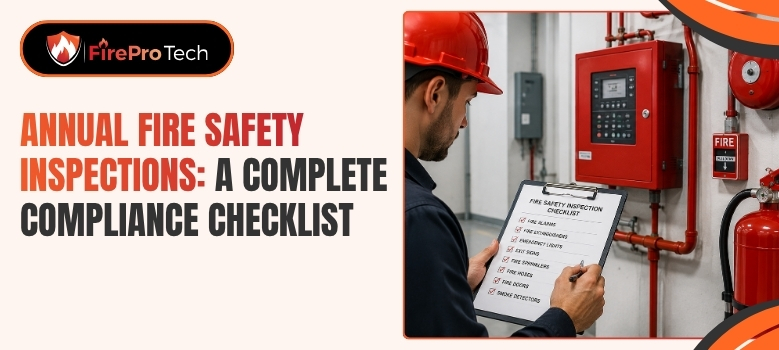
Annual fire safety inspections are meant to help businesses identify life-safety deficiencies before they become emergencies, failed inspections, or operational disruptions.
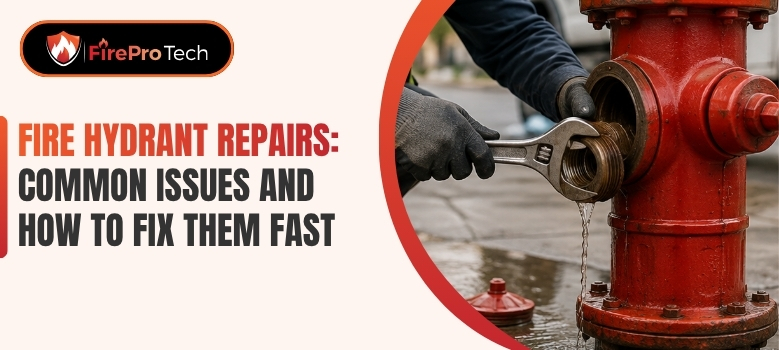
Fire hydrant repairs become urgent when a hydrant leaks, will not open, has poor flow, or appears damaged before an inspection or emergency.
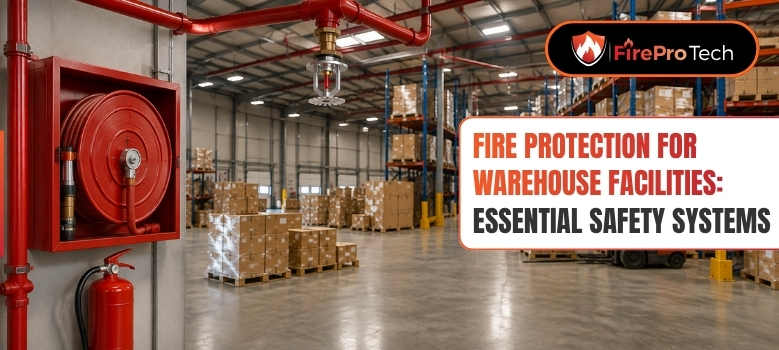
Fire protection for warehouse facilities can become difficult to manage when storage layouts change, inventory increases, or inspections are treated as paperwork rather than risk control.