


Industrial fire protection company selection can determine whether your facility receives practical protection or simply accumulates paperwork and unresolved deficiencies. For industrial buildings, warehouses, manufacturing sites, and other complex properties, the right provider must understand the connection between fire hazards, building systems, daily operations, and compliance responsibilities.
This guide explains what to evaluate, which questions to ask, how to compare proposals, and why ongoing service matters after installation. It also explains how FirePro Tech, LLC can support businesses in Houston with inspection, testing, maintenance, installation, and related fire safety services when those services match the facility’s needs.
Industrial facilities rarely have a single, simple fire risk. Storage arrangements, production equipment, combustible materials, electrical rooms, loading areas, tenant operations, construction changes, and business processes can all affect the protection strategy. A provider that treats every building the same may overlook conditions that influence system performance and inspection readiness.
The selection decision also affects more than the initial project. Your provider may become responsible for recurring inspections, testing records, maintenance recommendations, deficiency documentation, system modifications, and coordination with facility personnel. A low initial price is not useful if the scope is unclear or important follow-up work is left unresolved.
A warehouse with high storage, a manufacturing plant with heat-producing equipment, and a distribution building with changing inventory may require different evaluations. The right industrial fire protection company starts by learning how the facility is used rather than assuming the building’s original design still reflects current conditions.
Useful questions include:
These questions help identify whether existing industrial fire protection solutions continue to fit the property. They can also reveal why a system that appears functional may still have documentation gaps, access issues, outdated drawings, or conditions that require professional review.
Fire protection systems must be available when needed, but reliability depends on more than installed equipment. Valves must remain accessible, control panels must communicate properly, inspection findings must be addressed, and maintenance records must be understandable to the people responsible for the building.
A qualified industrial fire protection company should address this point during planning.
Requirements can vary by system type, occupancy, jurisdiction, adopted codes, applicable standards, insurance expectations, and the authority having jurisdiction. A qualified provider should help identify what needs to be verified without promising a universal compliance outcome.
In Houston and surrounding areas, facility owners and managers should also allow time for local review processes and site-specific requirements. This is a useful issue to discuss with an industrial fire protection company during planning.
An unsuitable provider can create several practical problems: repeated service visits, incomplete reports, unclear deficiencies, delayed repairs, disruptive scheduling, and uncertainty about whether the protection program reflects current operations.
These issues can become especially difficult when a facility is preparing for an audit, renovation, lease transition, insurance review, or inspection by a local authority.
The goal is not to find the company with the longest service list. It is to find a provider whose technical scope, communication process, documentation, and service capacity fit the way your facility operates.
Once the facility’s risks are understood, evaluate providers against the work they will actually perform. A company may advertise broad industrial fire and safety services, but your decision should be based on documented scope, practical experience, communication, and the ability to support the property over time.
Ask how the industrial fire protection company approaches recurring inspection, testing, and maintenance. The answer should explain more than how often a technician visits. It should address how the team reviews system condition, records findings, identifies deficiencies, communicates priorities, and tracks recommended corrective work.
For example, a useful report should help a facility manager understand whether an issue affects immediate system readiness, requires planned maintenance, or should be reviewed as part of a larger project. Vague language such as “repair needed” does not give decision-makers enough information to schedule work or communicate risk internally.
The right industrial fire protection company should explain how it will handle this condition during planning.
A complete service relationship may involve fire alarm systems, sprinkler systems, fire pumps, suppression equipment, emergency communication components, or other installed protection systems. The exact scope depends on the property and the provider’s verified capabilities, so request a written description before work begins.
Industrial facilities change. A new production line, mezzanine, storage configuration, tenant improvement, or building addition may affect existing protection systems. An industrial fire protection company should be able to discuss how proposed changes will be evaluated and coordinated rather than treating installation as an isolated task.
Ask whether the company can support the relevant design, installation, testing, documentation, and coordination steps for the proposed work. Depending on the project, additional design professionals, permits, engineering review, manufacturers, or authority approvals may be involved.
A responsible provider will identify those dependencies instead of implying that every project follows the same path.
Documentation is one of the most useful ways to distinguish a dependable service partner from an industrial fire protection company that only completes a visit. Look for reports that identify the inspected system, date of service, observed condition, deficiencies, recommended next steps, and any limitations affecting the evaluation.
Communication should also work for the people managing the property. Facility managers often need concise answers to practical questions: What needs attention first? Can the issue affect operations? Is a temporary measure needed? What information is required for a quote? Who is responsible for coordinating access?
Industrial work must be coordinated around people, equipment, production schedules, security, and access requirements. Ask how the industrial fire protection company handles occupied facilities, restricted areas, shutdown planning, testing notifications, and follow-up visits.
No provider can remove every operational constraint, and service timing may depend on system condition, project scope, parts, approvals, or site access. However, a strong company should explain the process clearly so your team can plan instead of reacting to unexpected disruptions.
Before signing an agreement or approving a project, ask:
The quality of the answers often reveals more than a polished proposal. Look for specific, understandable responses tied to your facility rather than broad assurances. A dependable industrial fire protection company should document the next step during planning.
Comparing proposals requires more than placing prices side by side. Two companies may use similar words while offering very different levels of inspection detail, documentation, testing, maintenance, coordination, and follow-up. The best comparison focuses on what each proposal enables your facility to understand and accomplish.
A qualified industrial fire protection company should address this point before work begins.
Start by identifying whether the proposals cover the same work. Review the fire alarm systems included, areas included, testing activities, maintenance responsibilities, reporting format, corrective work, travel or access assumptions, and exclusions. If one proposal is less expensive because it leaves out important work, the apparent savings may not last.
The table does not replace a technical review, but it helps prevent an incomplete scope from looking attractive simply because it has a lower number. The right industrial fire protection company should explain how it will handle this condition before work begins.
Industrial fire sprinkler systems may involve more than visible sprinkler heads and piping. Valves, water supplies, fire pumps, supervisory devices, risers, control equipment, and building changes may all affect the system’s condition and performance.
Similarly, industrial fire alarm systems can include initiating devices, notification appliances, monitoring connections, control panels, power supplies, and interfaces with other building systems.
Ask the industrial fire protection company to explain how the existing systems will be evaluated and what information is needed to determine the appropriate service. Avoid selecting a company solely because it mentions a system category on a website.
The relevant question is whether the proposed team can competently support your configuration and project requirements.
A new installation is important, but the system will still require ongoing attention. Facility leaders should understand who will inspect, test, maintain, document, and modify the system after the project is complete.
If those responsibilities are unclear, the property may begin with a new installation but lack a dependable long-term program.
This is particularly important when warehouse fire protection systems must adapt to changes in storage, racking, commodities, or building use. A system may have been appropriate when installed but require review when the risk profile changes. A dependable industrial fire protection company should document the next step before work begins.
Be cautious when a provider avoids site questions, offers a generic scope for a complex facility, cannot explain deficiencies clearly, or focuses on a guaranteed result without discussing variables. Be equally cautious when a proposal does not identify exclusions, assumptions, documentation, testing responsibilities, or coordination requirements.
Professional confidence should not mean pretending that every issue has an instant answer. A trustworthy provider knows when more information, engineering input, manufacturer guidance, or AHJ confirmation is necessary. A qualified industrial fire protection company should address this point as proposals are compared.
Read Also: Fire Protection for Schools: Keeping Students and Staff Safe
The best service visit begins before the technician arrives. Preparing facility information helps the provider understand the property, reduces avoidable delays, and makes the resulting recommendations more useful. It also gives your internal team a clearer basis for approving work and scheduling future service.
Provide available drawings, system records, previous inspection reports, impairment documentation, equipment lists, renovation information, and details about known deficiencies. If records are incomplete, say so.
An industrial fire protection company can often begin with a site evaluation, but missing information may affect the review process and the scope of follow-up work.
Also identify recent or planned changes, including:
These details are especially important when evaluating industrial fire risks that may not be obvious from the building exterior or original plans.
Tell the industrial fire protection company when the facility is busiest, which systems cannot be taken out of service without planning, and which personnel must approve access or shutdowns. Testing and maintenance can be technically appropriate and still create avoidable disruption if the work is not coordinated with operations.
Your internal team should also know who will receive reports, who can approve corrective work, and who will communicate with tenants, contractors, insurers, or property ownership. Clear responsibility prevents findings from sitting unresolved after the service visit.
Not every finding carries the same urgency, and not every corrective action can be completed during the original visit.
Ask the industrial fire protection company to explain the condition, why it matters, what information is needed to price or plan the work, and whether retesting or additional documentation may be necessary.
A good corrective-work process separates immediate system concerns from planned improvements without minimizing either. For example, a blocked access point, impaired valve, communication issue, damaged component, or documentation gap may require different responses. The provider should explain the distinction in terms your team can use.
Fire protection is not a one-time purchasing decision. Inspection, testing, maintenance, installation, and compliance support should be considered as parts of an ongoing facility program. The right schedule and scope depend on the system, building, jurisdiction, applicable standards, and site conditions.
This is a useful issue to discuss with an industrial fire protection company as proposals are compared.
FirePro Tech, LLC can be a resource for businesses seeking fire protection services in Houston when the requested inspection, testing, maintenance, installation, or compliance-related support fits the facility’s needs. A conversation should begin with the building, systems, hazards, records, and operational requirements rather than an assumed package.
After reviewing proposals and site information, choose the industrial fire protection company that provides the clearest connection between your facility’s risks and the work being recommended. The final decision should reflect technical fit, communication quality, documentation, scheduling, service continuity, and the provider’s ability to support future changes.
Before approval, confirm the systems, locations, tasks, assumptions, exclusions, deliverables, and responsibilities in writing. The scope should be understandable to both technical personnel and the people responsible for budgets and operations.
If the project involves design changes, construction, permits, or authority review, identify those dependencies. Requirements can vary based on building characteristics, jurisdiction, adopted codes, system type, and project conditions. Written clarification helps prevent disagreements later.
The right industrial fire protection company should explain how it will handle this condition as proposals are compared.
How to Choose the Right Fire Monitoring Company A facility may have several deficiencies, but they should not all be treated as identical. Work with the provider to understand which items affect system readiness, which create operational or documentation concerns, and which should be incorporated into a broader improvement plan.
Prioritization does not mean ignoring lower-priority work. It creates a practical sequence so limited time, access, and budget can be directed where they provide the most meaningful improvement. Keep records of approved work, deferred work, retesting, and unresolved limitations.
A dependable industrial fire protection company should document the next step as proposals are compared.
Any significant change in storage, production, occupancy, equipment, layout, or building configuration should prompt a review of whether existing protection remains appropriate. The review may be simple or may require additional design, engineering, testing, or AHJ coordination, depending on the change.
This is one reason a continuing relationship can be more useful than calling a different provider for every isolated task. A company familiar with the facility can more easily understand what changed, what records are available, and which parts of the protection program may need attention.
A qualified industrial fire protection company should address this point during recurring service.
The strongest provider is not necessarily the one that promises the most or submits the lowest quote. Value is reflected in accurate scope, competent service, understandable reports, realistic coordination, and consistent follow-through. Those qualities help decision-makers act before a small issue becomes a larger operational problem.
For Houston-area businesses, FirePro Tech, LLC offers a practical starting point for discussing inspection, testing, maintenance, installation, and related fire safety services. The appropriate next step depends on your facility’s systems, risks, documentation, and service needs.
The Fire Protection System Market was valued at USD 67.35 billion in 2023 and is expected to reach USD 116.17 billion by 2032, registering a CAGR of 6.25% during the forecast period from 2024 to 2032.
Read Also: Fire Protection Compliance Checklist: Everything Your Business Needs
Choosing the right industrial fire protection company requires more than comparing prices or selecting the first provider that mentions sprinkler and alarm services.
Look for a company that understands industrial fire risks, evaluates the actual facility, explains its scope, documents findings clearly, coordinates with operations, and supports inspection, testing, maintenance, installation, and compliance-related needs as appropriate.
Industrial fire protection solutions should remain aligned with the building as it changes. By preparing accurate facility information, asking specific questions, comparing complete scopes, and planning for ongoing service, you can make a more confident decision about protecting your people, property, operations, and business continuity.
FirePro Tech, LLC can help Houston businesses evaluate relevant fire protection services and determine a practical next step based on the facility’s needs.
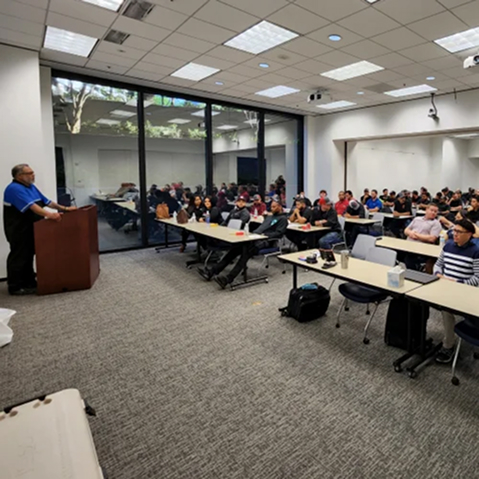
Look for facility-specific experience, clear inspection and maintenance processes, relevant installation capability, detailed reporting, responsive communication, and a willingness to explain AHJ or project requirements that may vary.
A provider should review building use, storage, production processes, equipment, layout, existing systems, records, and planned changes. That information helps identify risks that a generic checklist may miss.
Depending on the facility, services may include inspection, testing, maintenance, installation, deficiency documentation, and compliance support for systems such as sprinklers, alarms, pumps, or other installed protection equipment.
Compare system coverage, testing tasks, maintenance scope, documentation, exclusions, corrective-work responsibilities, scheduling assumptions, and follow-up—not only the price. Incomplete scopes can make a low quote misleading.
Industrial sprinkler needs can be affected by storage height, commodities, processes, building layout, water supply, and changes in use. The appropriate evaluation depends on the facility and applicable requirements.
Ask whether the industrial fire protection company can evaluate your specific alarm configuration, including initiating devices, notification appliances, control equipment, monitoring, power supplies, and related interfaces when applicable.
FirePro Tech, LLC can discuss inspection, testing, maintenance, installation, and related fire safety services for Houston businesses when those services match the facility’s systems, risks, and project requirements.
The appropriate frequency depends on the system, occupancy, jurisdiction, applicable standards, manufacturer guidance, and site conditions. Confirm the required schedule with a qualified provider and the authority having jurisdiction. This is a useful issue to discuss with an industrial fire protection company during recurring service.
Fire extinguisher servicing is essential when a business needs dependable first-response equipment instead of extinguishers that merely look acceptable on the wall.
Exit sign requirements are a practical concern for any commercial property where employees, customers, tenants, or visitors may need to leave during a power failure or emergency.
Fire sprinkler system design determines how a commercial property will detect and control a developing fire, but many owners are unsure what the process actually includes or why costs vary.