

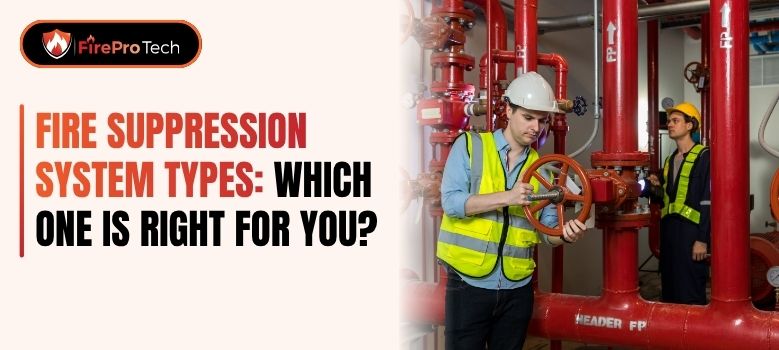
Understanding fire suppression system types is essential for anyone responsible for fire safety in commercial or industrial environments. The right fire protection system can make all the difference when a fire breaks out, helping to control or extinguish flames quickly while minimizing damage to property and, most importantly, protecting lives.
In Houston and nearby areas, where diverse industries face unique fire hazards, selecting an appropriate system tailored to specific risks is paramount. FirePro Tech, LLC offers expert guidance and comprehensive fire safety services to help businesses navigate these critical decisions with confidence.
Special hazard fire protection demands specialized knowledge and customized solutions beyond standard setups, especially in settings like commercial kitchens or industrial facilities where conventional sprinklers might not suffice, making it essential to understand the right fire suppression system types for each unique environment.
FirePro Tech, LLC focuses exclusively on inspection, maintenance, and installation of advanced fire protection system types, including clean agent fire suppression and kitchen hood fire suppression systems.
Their expertise ensures your fire suppression setups comply with local codes and perform reliably under pressure, delivering peace of mind in Houston and nearby regions. This article breaks down key fire suppression system types, arming you with insights to choose the best fit for your environment’s unique challenges.
Fire suppression system inspection are engineered solutions designed to detect, control, and extinguish fires before they escalate, and understanding different fire suppression system types helps businesses choose systems that actively intervene at the earliest signs of fire to limit damage and safeguard occupants.
Their importance spans residential, commercial, and industrial environments, providing a critical line of defense against rapidly spreading flames. In Houston and neighboring areas, where diverse fire risks are present—from high-heat commercial kitchens to chemical processing plants—fire suppression solutions must be carefully matched to the specific hazards and operational needs of a facility.
Essentially, fire suppression system types include an array of technologies that employ various extinguishing agents—water, chemicals, gases—to combat different classes of fire. Their proper integration into a building’s fire safety strategy mitigates risk and can even prevent operational downtime. Effective fire suppression not only protects physical assets but can also preserve life and support compliance with stringent fire codes.
Selecting an appropriate fire suppression system is not merely a regulatory checkbox; it is a strategic safety decision with long-term consequences, especially when evaluating fire suppression system types for specific operational hazards. Using an ill-suited system can lead to ineffective fire control, escalating the severity of damage or compromising safety.
For instance, deploying water-based systems in areas housing sensitive electronics or chemicals can cause more harm than good when compared to other fire suppression system types. Conversely, clean agent fire suppression systems protect delicate equipment but may not be effective in environments with heavy grease buildup, such as commercial kitchens.
The financial impact of improper system choice extends beyond potential damage repair. Businesses might face operational interruptions, legal liabilities, and increased insurance premiums. Worse yet, inadequate fire protection can jeopardize the safety of employees and customers. That’s why reliable fire suppression system inspection and maintenance are vital to ensure each system remains effective over time.
Fire suppression system types fall broadly into several categories, each designed to address specific fire hazards:
Water-based systems are the most common, using fire sprinklers system or deluge nozzles to apply water directly to flames. They are highly effective for ordinary combustible fires but unsuitable for electrical or certain chemical fires.
Among the most effective fire suppression system types, clean agent fire suppression uses gaseous or chemical agents like FM-200, Novec 1230, or CO2 that extinguish fires without damaging equipment. These systems are ideal in data centers, telecommunications hubs, and other sensitive environments.
Wet chemical systems concentrate on suppressing fires caused by cooking oils and grease and are the standard in kitchen hood fire suppression setups. They chemically interrupt the combustion process to suppress kitchen fires rapidly.
Special hazard fire protection targets unique environments with tailored solutions such as inert gas systems, foam-based agents, or dry chemical suppressants. These systems address risks posed by flammable liquids, hazardous chemicals, or specialized industrial processes commonly found in Houston’s industrial sectors.
Navigating the complex landscape of fire suppression system types demands expert advice and proven experience. FirePro Tech, LLC is a trusted resource for businesses across Houston and nearby regions seeking tailored fire protection system types designed to meet exact hazard profiles.
Their team focuses on comprehensive fire safety services, including precise installation, thorough inspection, and proactive maintenance of systems spanning the special hazard fire protection spectrum. With deep expertise in clean agent fire suppression, kitchen hood fire suppression, and other specialized fire suppression system types, FirePro Tech, LLC ensures clients receive compliant, efficient solutions.
By partnering with local businesses, they help safeguard operations while meeting local and national fire code requirements. Their commitment to quality and service excellence makes them a leader in fire suppression support for Houston’s diverse commercial and industrial facilities.
Clean agent fire suppression systems are among the most advanced fire suppression system types, using specialized gaseous or chemical agents designed to quickly extinguish fires without leaving behind any residue or causing damage to sensitive equipment. Common agents include FM-200, Novec 1230, and carbon dioxide (CO2). These substances work by interrupting the chemical reactions that sustain fires or by displacing oxygen to starve the fire.
Unlike traditional water-based fire suppression system types, clean agents vaporize rapidly, allowing them to protect critical environments where water damage would be catastrophic. Their quick activation and effectiveness make them a preferred choice in industries requiring fast, clean fire suppression.
FM-200 and Novec 1230, for example, act chemically to disrupt flames while maintaining a safe atmosphere for people when properly deployed. CO2 systems suppress fires primarily by reducing oxygen levels, making them effective but requiring special safety considerations due to their displacing effect. Each agent is selected based on the specific hazard, environmental impact, and safety needs associated with the protected area.
One of the most significant advantages of clean agent fire suppression systems compared to other fire suppression system types is their rapid response. These systems detect fires early and discharge agents instantaneously to contain or extinguish flames before they spread. This speed reduces fire damage and minimizes downtime in high-value facilities.
Additionally, clean agents are non-conductive and safe for use around high-tech electronics, making them ideal fire suppression system types for data centers, telecommunications equipment rooms, and healthcare technology spaces.
The environmental profile of modern clean agents, especially Novec 1230, has improved significantly. Many clean agents have low global warming potential and leave no ozone-depleting emissions, aligning fire safety with eco-friendly goals. They also clear the air quickly after discharge, making affected areas safe for re-entry in a shorter time compared to other suppression methods.
In Houston’s diverse industrial and commercial landscape, clean agent fire suppression systems serve crucial roles in special hazard fire protection and represent highly specialized fire suppression system types. Telecommunications facilities and server rooms require protection that will not damage sensitive electronics while maintaining continuous operations.
Similarly, healthcare facilities depend on these clean systems to protect critical medical equipment without residue or corrosion risks. Beyond technology-intensive environments, clean agents provide vital protection in laboratories handling volatile substances and manufacturing plants where quick, residue-free fire control prevents chemical contamination.
In all these cases, FirePro Tech, LLC tailors clean agent fire suppression solutions to meet the specific challenges posed by these high-risk scenarios in Houston and nearby areas.
An effective clean agent fire suppression system demands meticulous inspection and maintenance to remain reliable among modern fire suppression system types. FirePro Tech, LLC follows stringent inspection standards that cover agent levels, system integrity, and component functionality to ensure systems perform optimally when called upon.
Their certified technicians conduct thorough fire suppression system inspections, verifying compliance with NFPA standards and local Houston regulations.
Maintenance routines include checking alarms, sensors, control panels, and discharge nozzles, as well as verifying that clean agent storage tanks contain proper quantities. FirePro Tech, LLC’s proactive approach minimizes the risk of system failure, extends equipment life, and supports uninterrupted business operations.
For Houston and nearby businesses relying on specialized fire suppression system types, partnering with experienced professionals like FirePro Tech, LLC ensures safety and compliance remain top priorities.
Why Kitchen Hood Suppression System Inspection are specialized fire protection solutions and one of the most important fire suppression system types designed specifically for commercial cooking environments where fire risks are both high and unique. These systems focus on safeguarding cooking appliances, exhaust hoods, and ductwork by quickly detecting and suppressing fires fueled by grease, oils, and high heat.
Unlike general fire suppression system types, kitchen hood suppression combines fire detection with tailored extinguishing methods that address the rapid spread and intense nature of kitchen fires, providing critical protection to restaurants, cafeterias, and food service facilities throughout Houston and nearby areas.
This system is integrated into the kitchen’s ventilation hood and ductwork, activating automatically upon fire detection. It discharges an extinguishing agent directly onto cooking surfaces and inside the exhaust ducts to cool flames and remove oxygen, preventing dangerous flare-ups and the spread of fire through ventilation systems.
The primary agents used in kitchen hood fire suppression systems are wet chemical solutions specially formulated to combat combustible cooking oils and grease. These wet chemicals act swiftly to break down the oils, cool the fire, and create a soapy foam layer that smothers remaining flames and prevents re-ignition. This chemistry is unique compared to other fire suppression system types that rely on dry chemicals or water.
These agents are stored in pressurized tanks linked by a network of piping and nozzles positioned strategically to cover stoves, grills, fryers, and vents. Upon activation, the discharge is rapid and widespread, precisely targeting the fire’s fuel sources. Wet chemical suppression is widely recognized for its effectiveness in high-risk cooking environments, reducing damage and downtime while enhancing overall safety.
Houston’s commercial kitchens must comply with stringent fire safety regulations overseen by local fire officials and aligned with the National Fire Protection Association (NFPA) 96 standards. These rules mandate the installation of kitchen hood fire suppression systems where cooking produces grease-laden vapors or significant fire hazards exist, making these fire suppression system types essential for compliance.
Regular fire suppression system inspection is required to ensure system operability, agent levels, and proper nozzle position. Inspections must be performed at least semi-annually, often more frequently depending on the kitchen’s usage and risk classification.
Certification and documentation of inspections, along with prompt repair of any deficiencies, are essential for compliance and insurance purposes. FirePro Tech, LLC stays up to date with Houston’s evolving fire codes and inspection schedules, helping restaurant operators meet and exceed these requirements.
FirePro Tech, LLC specializes in the installation, inspection, and maintenance of kitchen hood fire suppression systems, ensuring Houston’s commercial kitchens remain safe and compliant. Their experienced technicians meticulously assess kitchen layouts, fire risks, and ventilation designs to install systems that meet precise fire suppression system types criteria.
Beyond installation, FirePro Tech, LLC provides detailed fire suppression system inspection services focused on early detection of issues such as corrosion, agent depletion, or mechanical wear across multiple fire suppression system types. By performing comprehensive maintenance and timely certification, they help restaurants avoid costly violations and, most importantly, ensure the suppression systems are ready to activate effectively during emergencies.
With local expertise and a strong commitment to special hazard fire protection, FirePro Tech, LLC serves as a trusted partner for Houston-area food service businesses seeking reliable and code-compliant kitchen hood fire suppression solutions. Their proactive approach combines industry best practices with personalized service, safeguarding high-risk commercial areas from potentially devastating fire events.
Special hazard fire protection refers to fire suppression strategies designed to manage risks that go beyond typical combustible fires, requiring highly specialized fire suppression system types. These hazards often involve highly flammable liquids, volatile chemicals, sensitive electrical equipment, or unique industrial processes that demand more sophisticated protection than standard systems provide.
For example, environments with flammable gases, combustible dust, or energized electrical components pose distinct challenges where traditional sprinklers or clean agent fire suppression alone may not be effective among available fire suppression system types. Addressing these risks requires a nuanced understanding of how different fire types behave and how various suppression agents interact with materials and machinery.
In Houston and its neighboring industrial hubs, special hazard fire protection is essential given the density of oil refineries, chemical plants, manufacturing centers, and research labs. Each environment presents a specialized fire profile that cannot be met by generic fire protection system types. Effective special hazard protection not only prevents costly damage but also safeguards workers, regulatory compliance, and operational continuity.
Special hazard fire suppression often relies on a diverse portfolio of fire suppression system types tailored to specific risk profiles. Inert gas systems, such as those using nitrogen or argon, reduce oxygen levels to suppress fires without harming delicate electronics or leaving residue. These systems are popular in rooms housing electrical control panels or critical infrastructure.
Foam-based suppression uses specially formulated foams to smother flammable liquid fires, creating a barrier that cuts off oxygen and cools hot surfaces rapidly. This method is particularly effective in oil and gas facilities or fuel storage areas common around Houston.
Dry chemical suppression utilizes powders that interfere with chemical reactions in fires fueled by flammable liquids or gases. These systems react quickly and are valuable in industrial sites where rapid knockdown of intense fires is critical.
Hybrid solutions that combine different suppression agents, such as wet chemicals paired with inert gases, offer versatile protection customized to challenging fire hazards. The choice among these fire suppression system types hinges on hazard analysis, environmental concerns, and operational factors.
Houston’s diverse economy presents a broad array of special hazard fire protection needs that require advanced fire suppression system types. Oil and gas sectors demand foam and dry chemical systems capable of handling highly combustible hydrocarbons. Manufacturing plants often require inert gas or hybrid suppression to protect sensitive machinery and electrical equipment alongside flammable materials.
Laboratories in medical or chemical research settings need clean, residue-free suppression methods to maintain sterile environments and prevent contamination. Additionally, data centers and telecommunications facilities leverage inert gas and clean agent fire suppression systems as preferred fire suppression system types to protect vital infrastructure from fire without damaging electronics.
FirePro Tech, LLC understands the complexities of these industries and customizes fire protection system types for each client’s unique hazards and operational demands in Houston and surrounding communities. This approach ensures both safety and compliance without disrupting business functions.
Designing effective special hazard fire protection systems requires collaboration between fire experts and industry specialists. FirePro Tech, LLC offers comprehensive consultation services to analyze site-specific fire risks and recommend optimal fire suppression system types. Their engineers consider factors such as hazard classification, spatial configuration, regulatory requirements, and environmental impact.
Once designed, FirePro Tech, LLC handles precise installation, integrating fire suppression system types seamlessly with existing infrastructure. They also provide ongoing maintenance and fire suppression system inspection, ensuring that all components—from detection sensors to agents and release mechanisms—function flawlessly year-round.
For Houston businesses facing complex fire hazards, FirePro Tech, LLC’s tailored solutions combine technical expertise with local knowledge. This guarantees that special hazard fire protection measures are not only effective but aligned with the latest fire codes and industry standards, minimizing risk and maximizing operational resilience.
Regular fire suppression system inspection is the backbone of effective fire safety management. Fire suppression system types—whether clean agent fire suppression, kitchen hood fire suppression, or specialized special hazard fire protection systems—are complex and require consistent monitoring to function as intended.
Over time, components like valves, detectors, piping, and agent levels can degrade or malfunction due to environmental factors, wear, or unintended damage within various fire suppression system types. Identifying issues early, such as depleted agent cylinders, corroded piping, or faulty detection equipment, prevents system failures when emergencies occur.
A compromised fire suppression system could delay or fail to control a fire, increasing property damage, safety risks, and liability exposure. For businesses in Houston and nearby areas, where compliance with fire codes is mandatory, routine inspection is critical to sustaining system reliability and protecting lives and assets.
Each type of fire protection system demands tailored inspection protocols aligned with national and local codes, especially across different fire suppression system types. Clean agent fire suppression systems require checks on agent capacity, pressure, nozzle integrity, and electronic control panels to verify system readiness without introducing contaminants or leaks.
Kitchen hood fire suppression systems must be inspected for proper agent levels, mechanical components, nozzle positioning inside hoods and ducts, and hood cleanliness to ensure rapid response to kitchen fires. Special hazard fire protection systems often integrate several fire suppression system types and complex hardware.
Inspection involves thorough evaluation of gas storage, foam concentrate levels, dry chemical cartridges, and the condition of release mechanisms. FirePro Tech, LLC rigorously applies these standards, conducting detailed inspections based on the NFPA guidelines and Houston fire authority regulations to confirm each system’s optimal function.
FirePro Tech, LLC offers certified fire suppression system inspection services tailored to Houston’s diverse commercial and industrial sectors and supports a wide range of fire suppression system types. Their seasoned technicians coordinate inspection schedules that comply with local laws and client operational demands to minimize disruption.
Beyond identifying maintenance needs, FirePro Tech, LLC documents inspection findings comprehensively, supplying clients with reports that support compliance auditing and insurance requirements.
Their services include prompt maintenance recommendations and follow-ups to address any deficiencies, ensuring all fire suppression system types—from clean agent fire suppression to kitchen hood fire suppression—are reliably maintained year-round.
This level of service helps Houston businesses maintain regulatory compliance, reduce insurance costs, and protect employees and property.
Proactive, scheduled inspections have a direct impact on cost savings and operational resilience across all fire suppression system types. By regularly monitoring fire suppression systems, problems can be detected and resolved before escalating into emergencies or costly repairs. Timely agent replenishment, component replacement, and system recalibration also extend the lifespan of fire protection assets.
For Houston businesses, the costs of reactive repairs, business interruption, or regulatory penalties far outweigh the investment in thorough fire suppression system inspection and maintenance for all fire suppression system types. Additionally, well-maintained suppression systems enhance employee safety and confidence, preserving workforce productivity and reputation.
FirePro Tech, LLC’s emphasis on preventive inspection aligns safety with economic prudence, making it an indispensable partner for Houston-area companies seeking dependable fire protection solutions.
The global fire suppression systems market is projected to reach USD 21.04 billion in 2025. According to Fact.MR, it is expected to grow at a 5.2% CAGR, reaching approximately USD 34.93 billion by 2035.
Selecting the right fire suppression system type is more than just meeting regulatory demands—it is a vital investment in the safety of your property, employees, and business continuity. With a variety of fire suppression system types available, from clean agent fire suppression to specialized kitchen hood fire suppression and other tailored special hazard fire protection solutions, understanding which system best suits your environment is key to effective fire safety.
FirePro Tech, LLC has built a reputation across Houston and the surrounding areas as a trusted partner for comprehensive fire safety services. Their expert team provides personalized consultation, precision installation, thorough fire suppression system inspection, and ongoing maintenance tailored to your specific risks and operational needs.
This holistic approach ensures that your fire suppression systems perform optimally, remain compliant with evolving codes, and stand ready to protect when it matters most. By choosing FirePro Tech, LLC, you’re aligning your business with professionals committed to excellence in fire suppression system types and safety standards.
Their dedication not only reduces liabilities but also enhances peace of mind, allowing you to focus on your core operations while knowing your fire safety is in capable hands. In the complex landscape of Houston’s commercial and industrial fire hazards, FirePro Tech, LLC stands out as a reliable resource to help you make informed decisions and maintain robust protection against fire risks.
The main types of fire suppression systems include water-based sprinklers, clean agent fire suppression, wet chemical systems typically used in kitchens, and specialized special hazard fire protection setups, such as inert gas or foam-based systems. Each type serves unique applications depending on the fire risk, environment, and equipment involved. FirePro Tech, LLC offers expert guidance in Houston and nearby areas to help clients select and maintain the appropriate fire suppression system types tailored to their specific needs.
Clean agent fire suppression systems operate by releasing gaseous agents like FM-200, Novec 1230, or CO2, which disrupt the chemical reactions fueling a fire or reduce oxygen levels to extinguish flames quickly without leaving residue. These systems are ideal for protecting sensitive electronics, data centers, telecommunications rooms, and healthcare facilities where water damage or residue is unacceptable. FirePro Tech, LLC specializes in clean agent fire suppression installation and inspection throughout Houston to ensure maximum protection and compliance.
Kitchen hood fire suppression systems are essential in commercial kitchens because they target fires fueled by cooking oils and grease—hazards that traditional sprinkler systems cannot effectively manage. Using wet chemical agents, these systems rapidly cool and smother fires within hoods and ductwork, preventing fire spread through ventilation. FirePro Tech, LLC provides specialized kitchen hood fire suppression installation and inspection services in Houston and surrounding areas to help restaurant owners meet safety codes and reduce fire risks.
Special hazard fire protection addresses environments with unique or heightened fire risks beyond common combustible materials. This includes areas with flammable liquids, electrical equipment, volatile chemicals, or processes generating combustible dust or gases. Such environments require tailored fire suppression system types—like inert gas, dry chemical, or foam-based solutions—designed for rapid, residue-free control. FirePro Tech, LLC offers customized design, installation, and maintenance of special hazard fire protection systems for Houston’s industrial sectors, ensuring safety and regulatory compliance.
Inspection frequency for fire suppression systems depends on the system type and regulatory requirements, but most systems require at least semi-annual inspections. For instance, kitchen hood fire suppression systems typically demand more frequent checks due to grease buildup. Regular inspections identify wear, agent levels, and mechanical issues. FirePro Tech, LLC conducts thorough fire suppression system inspection services across Houston to help businesses maintain compliance with local fire codes and ensure their systems perform reliably during emergencies.
Yes, combining multiple fire suppression system types often provides comprehensive protection tailored to complex environments. For example, a facility might use clean agent fire suppression for sensitive electronic rooms alongside kitchen hood fire suppression in commercial cooking areas. Hybrid systems integrating inert gases with foam or dry chemicals can address multifaceted hazards. FirePro Tech, LLC in Houston specializes in designing and maintaining such integrated fire protection system types to optimize safety and meet diverse regulatory requirements.
Environmental impacts vary among fire suppression agents. Clean agents like Novec 1230 have low global warming potential and short atmospheric lifetimes, making them environmentally preferable. Traditional agents like CO2 are effective but can contribute to greenhouse gases if released in large quantities. Wet chemical agents used in kitchen hood systems are designed for safety but require proper disposal. FirePro Tech, LLC stays current with environmental standards and ensures Houston clients use sustainable fire suppression system types that balance fire safety with eco-conscious practices.
FirePro Tech, LLC provides full-service fire suppression system maintenance for a variety of system types across Houston and nearby communities. Their certified technicians perform routine fire suppression system inspection, agent refilling, component repairs, and system testing to ensure functionality and code compliance. This proactive maintenance approach helps prevent costly breakdowns and assures clients that their fire protection systems will activate effectively when needed. With FirePro Tech, LLC, businesses receive dependable expertise that safeguards assets and promotes operational continuity.
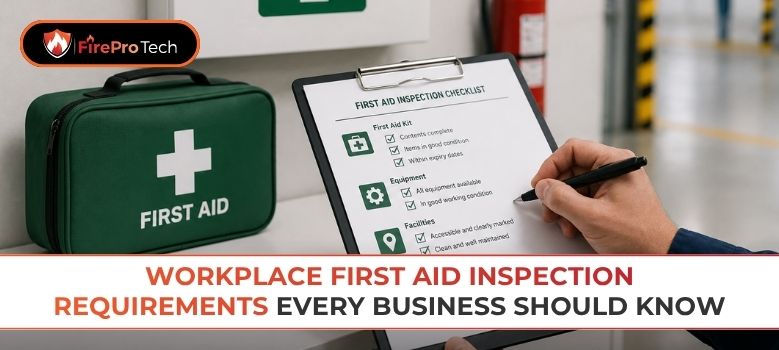
Workplace first aid inspection requirements are easy to overlook because the cabinet may look complete from the outside. A real inspection checks whether supplies are present, usable, accessible, and suited to the injuries employees could reasonably face.
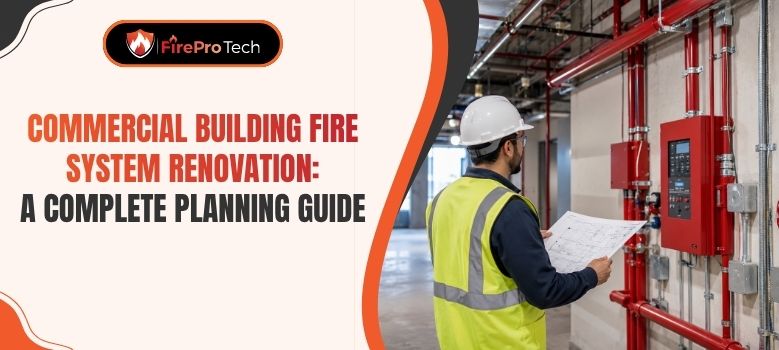
Commercial building fire system renovation is where many property teams discover how much hidden risk lives behind walls, above ceilings, and inside old paperwork. If you are updating a tenant space, reconfiguring a floor plan, or modernizing an aging facility, the fire protection work cannot be treated as an afterthought.
Emergency lighting installation is one of those commercial building decisions that often gets postponed until an inspection, a power outage, or a lease issue forces the conversation.