

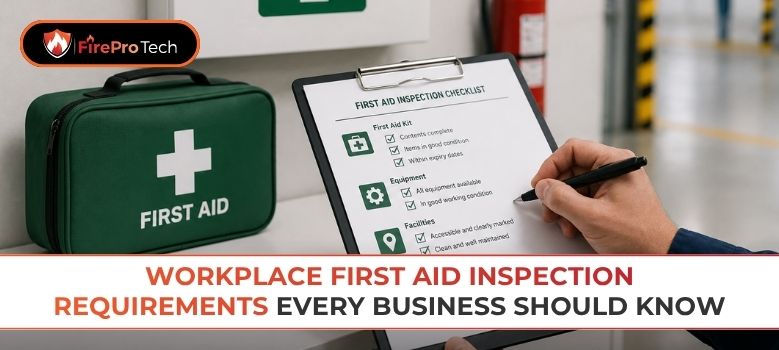
Workplace first aid inspection requirements are easy to overlook because the cabinet may look complete from the outside. A real inspection checks whether supplies are present, usable, accessible, and suited to the injuries employees could reasonably face.
For Houston employers, a reliable first aid program supports daily readiness alongside broader fire safety services. This guide explains what to inspect, how to set a practical schedule, what records to keep, and when professional support can simplify the process.
Workplace first aid inspection requirements connect a written safety policy to a station that can actually help during an injury. Missing dressings, expired products, blocked access, or empty compartments can turn a small incident into a stressful and preventable delay.
A consistent review also helps managers spot patterns. If the same supplies disappear quickly, the workplace may need larger quantities, another station, or a closer look at the tasks causing repeated injuries.
A first aid safety cabinet is useful only when employees can reach it and trust what is inside. Sealed packages, readable labels, clean shelves, and organized supplies make response faster when someone is under pressure. That clarity can save valuable time during an actual injury.
That same readiness mindset applies to fire protection services. Equipment must be present, maintained, and easy to use, not simply listed on a checklist. Good coordination keeps workplace first aid inspection requirements aligned with the building’s actual needs.
Small injuries can interrupt work when basic supplies are missing. Regular inspections reduce that risk and help supervisors respond without searching several rooms or sending someone off-site for materials. It also helps the business return to normal work with less confusion.
In busy Houston facilities, clear station locations and dependable stock levels are especially valuable across shifts, tenant spaces, warehouses, offices, and mixed-use properties.
There is no single schedule that fits every workplace. Inspection timing should reflect the number of employees, the hazards present, how often supplies are used, and whether multiple shifts share the same stations. The schedule should be written, assigned, and reviewed whenever conditions change.
Workplace first aid inspection requirements should be reviewed often enough to keep supplies readily available. High-use or higher-risk locations may need frequent checks, while a low-traffic office may use a different written schedule.
Start with the work being performed. Cutting, heat, chemicals, machinery, outdoor work, and material handling may create different first aid needs than routine office tasks. Those differences should shape station contents and inspection timing for every active work area. safely.
Then review usage records. A station that is repeatedly short on gloves, bandages, or cleaning supplies should be checked and restocked more often instead of waiting for a fixed calendar date. Accurate field information improves the outcome of workplace first aid inspection requirements.
A station should be reviewed after a known incident because opened packages and removed supplies may not be obvious later. Remodels, staffing changes, new equipment, and added work areas can also change placement or quantity needs. These events should trigger an immediate review of the current setup.
FirePro Tech, LLC can help Houston businesses coordinate safety reviews with related fire safety services so important readiness tasks do not become disconnected.
A practical inspection follows the same order every time. That consistency makes workplace first aid inspection requirements easier to document and reduces the chance that a rushed reviewer skips an important item. Using a checklist also makes results easier to compare across locations.
Confirm that expected supplies are present, sealed, clean, and within any marked expiration or replacement date. Remove damaged, wet, contaminated, or opened items that are not suitable for continued storage. This prevents unusable products from remaining available during an emergency.
The right contents depend on workplace hazards. A generic kit may be a starting point, but managers should assess whether the location needs additional quantities or specialized supplies based on reasonably anticipated injuries. This consideration can affect the scope and success of workplace first aid inspection requirements.
Employees should be able to locate the station quickly. Keep the path clear, maintain visible identification, and place supplies where normal operations do not block or damage them. Employees should also know who reports an empty or damaged station immediately.
Organization matters too. Clearly arranged compartments help employees find items quickly and make restocking easier for the person responsible for the station. This detail should be reviewed during workplace first aid inspection requirements, not after the work ends.
Record the inspection date, the person completing the review, missing or unusable items, and the date corrections were finished. A simple log creates accountability and helps managers see repeated shortages. Every open item should have an owner and a realistic completion date.
Good documentation supports both workplace safety planning and fire protection services because it shows that inspections lead to action rather than paperwork alone.
Federal safety rules generally focus on ready access to adequate first aid supplies and on matching resources to workplace conditions. They do not create one universal kit or inspection frequency for every business. Employers still need a process that keeps supplies ready and appropriate.
That means workplace first aid inspection requirements should be based on a documented assessment instead of copying another facility’s checklist without considering local hazards, staffing, or access.
Employers should consider the injuries that could occur, the size and layout of the workplace, and how quickly medical help can be reached. Larger or changing operations may need more stations, more supplies, or different equipment. That review should be repeated as tasks, staffing, or locations change.
This hazard-based approach keeps the program practical. It also works well with broader fire safety services because both programs begin with the real building, not a generic template. A practical plan for workplace first aid inspection requirements should include access, timing, and documentation.
A small office, warehouse, shop, and industrial facility do not face identical risks. The inspection checklist should reflect those differences and be updated when work processes or occupancy conditions change. A hazard review provides a stronger basis for selecting practical supplies.
When requirements are uncertain, consult the applicable authority or a qualified safety professional rather than relying on a one-size-fits-all assumption.
A strong program assigns responsibility, uses a repeatable checklist, and creates a clear restocking path. Workplace first aid inspection requirements become easier to follow when employees know who checks each station and who approves replacement supplies. A written routine keeps that responsibility visible across shifts.
Name a responsible person or role for each location, including backup coverage for absences. Multi-tenant or multi-shift sites should also clarify who reports use and who confirms that corrective work is complete. The backup should understand the same checklist and reporting steps.
This simple ownership step prevents the common problem of everyone assuming someone else inspected the cabinet.
Restocking should happen promptly after use or inspection. Keeping a small controlled reserve can reduce downtime, but the reserve also needs rotation and review so expired or damaged products do not return to service. Regular review helps the plan for workplace first aid inspection requirements reflect changing building conditions.
FirePro Tech, LLC supports Houston organizations with coordinated fire protection services and fire safety services, helping facility teams keep recurring inspection and maintenance tasks organized.
Some businesses can manage inspections internally, while others benefit from a scheduled service. Complex sites, multiple stations, frequent use, or inconsistent records may make outside support more efficient. Clear records make workplace first aid inspection requirements easier to manage over time.
A provider should explain what will be checked, how shortages are reported, what restocking is included, and what remains the employer’s responsibility. Clear scope prevents gaps and keeps the service useful. The provider should also explain how urgent shortages are handled.
The final record should be easy for a manager to review and should separate completed corrections from items that still need attention.
First aid stations are one part of a facility’s safety system. Emergency lighting, alarms, extinguishers, evacuation planning, and fire protection services all depend on regular inspection and practical follow-through. Coordinated reviews help each part of that system remain ready daily.
FirePro Tech, LLC helps businesses in Houston coordinate fire safety services with a broader compliance mindset, making it easier to keep responsibilities, records, and corrective actions visible.
The U.S. fire protection system market was valued at $21,053.8 million in 2025 and is projected to reach $29,806.5 million by 2030, growing at a 7.2% compound annual growth rate (CAGR). The market for fire protection systems in the semiconductor and electronics sectors is expected to maintain strong growth through 2030, supported by the reshoring of semiconductor manufacturing and rising investments in domestic production capacity.
Workplace first aid inspection requirements are most useful when they produce a station employees can reach and use without delay. A consistent process checks supplies, condition, access, expiration dates, documentation, and restocking. That process turns a cabinet check into a dependable safety habit.
Build the schedule around actual risk and usage, update it when the workplace changes, and close every identified gap. FirePro Tech, LLC can support a coordinated safety approach that includes fire protection services, fire safety services, and organized inspection planning.
They are the checks a business performs to confirm first aid stations are stocked, accessible, and ready to use. The inspection should verify supplies, condition, expiration dates, and documentation.
Inspection frequency should match the site’s risk and usage. Busy or higher-risk workplaces often need more frequent checks than low-traffic offices, especially after supplies are used.
A compliance check should confirm supplies are present, unexpired, clean, and easy to reach. It should also verify labeling, station access, and completed inspection records.
Not usually. OSHA focuses on whether employees have prompt access to appropriate first aid resources for the workplace hazard level. The right setup depends on the jobsite and risk. Planning for workplace first aid inspection requirements early can prevent avoidable delays later.
Restocking keeps the station usable after items are used, damaged, or expired. Without it, a kit can look complete on paper but fail when someone needs it.
It is a professional review of your first aid stations to confirm they are stocked, organized, and ready for use. It can also help with documentation and refill planning. Qualified support during workplace first aid inspection requirements can reduce repeat work and confusion.
The core safety goals are similar, but Houston workplaces often deal with heavier facility traffic, multiple shifts, and mixed-use spaces. That makes consistency and documentation especially important.
FirePro Tech, LLC supports inspection, testing, maintenance, installation, and compliance-related fire safety services. If first aid station readiness is part of a broader safety plan, that process can be coordinated more effectively. FirePro Tech, LLC can help organize workplace first aid inspection requirements within a broader safety plan.
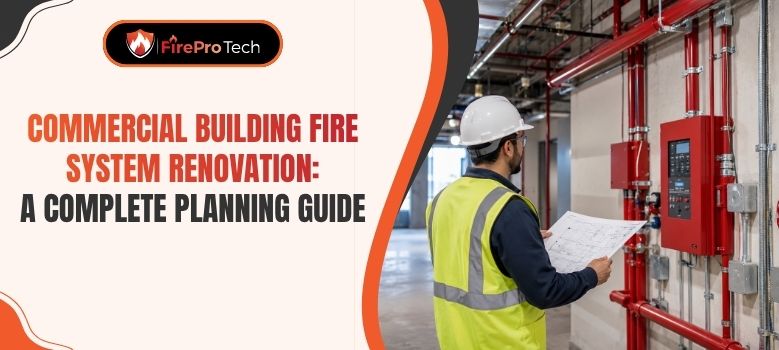
Commercial building fire system renovation is where many property teams discover how much hidden risk lives behind walls, above ceilings, and inside old paperwork. If you are updating a tenant space, reconfiguring a floor plan, or modernizing an aging facility, the fire protection work cannot be treated as an afterthought.
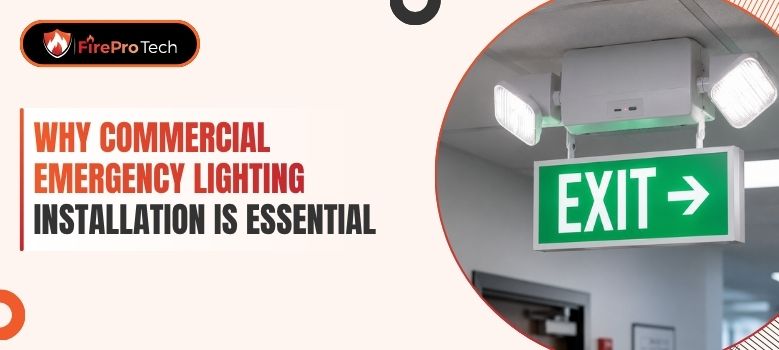
Emergency lighting installation is one of those commercial building decisions that often gets postponed until an inspection, a power outage, or a lease issue forces the conversation.
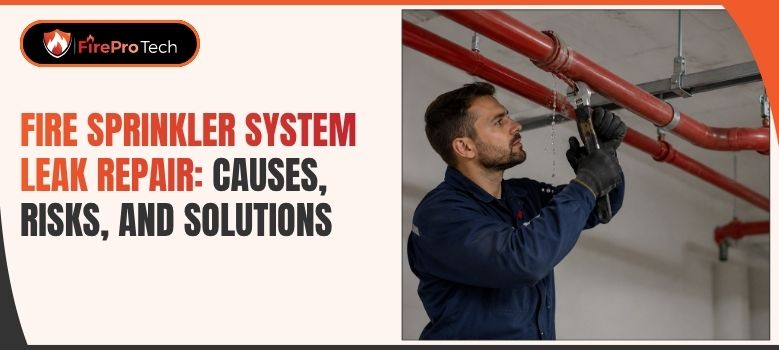
Fire sprinkler system leak repair is something you need to address quickly when you notice water where it should not be, because even a small leak can create downtime, property damage, and compliance concerns.