

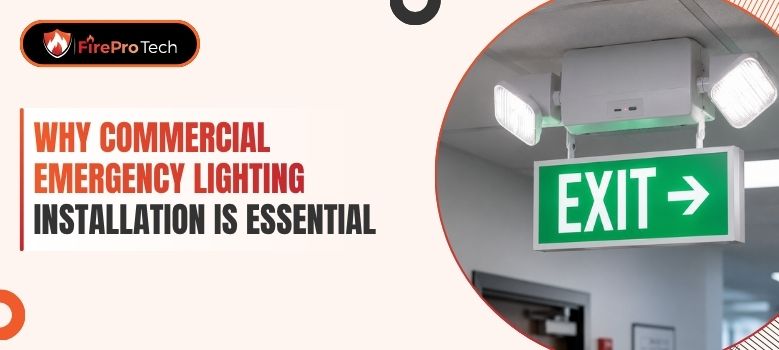
Emergency lighting installation is one of those commercial building decisions that often gets postponed until an inspection, a power outage, or a lease issue forces the conversation.
If you manage a facility in Houston, you already know how quickly a small systems gap can turn into an operational and compliance problem.
Commercial emergency lighting installation matters because it helps people move safely during an outage, supports code readiness, and reduces confusion when visibility drops.
In the sections below, we’ll walk through what the system is meant to do, what drives installation decisions, how code and maintenance affect long-term performance, and what to look for when choosing a qualified fire protection partner.
Emergency lighting Services is not just a box to check during a walkthrough. It is part of the building’s life-safety strategy, and when it is planned correctly, it helps people exit calmly, protects your business from avoidable downtime, and makes inspections far less stressful.
In commercial buildings, lighting failures often create the same basic hazards: dark corridors, unclear exit paths, and people trying to figure out where to go under pressure. Good emergency lighting reduces that uncertainty.
It also helps protect your organization from the kind of preventable gaps that can lead to failed inspections or expensive follow-up work.
Emergency lighting provides illumination when normal power is interrupted. In practical terms, that means lights near exits, along egress routes, and at key points such as stairs, corridors, and directional changes can stay visible long enough for safe movement.
Qualified support during commercial emergency lighting installation can reduce repeat work and confusion.
The goal is simple: keep pathways readable when the normal system is down. That is especially important in large commercial spaces, mixed-use facilities, warehouses, and buildings with longer travel paths where a sudden blackout can create confusion quickly.
Most people only think about emergency lighting after a power event, but the real value is in planning ahead. Understanding emergency lighting inspection requirements and following them helps ensure the system is installed correctly, tested regularly, and kept in service. This makes emergency lighting a reliable layer of protection instead of an afterthought.
That preparation matters for three reasons: it helps people exit safely, it supports code compliance, and it reduces the risk of last-minute corrective work when a building is already under pressure from an inspection or outage.
Commercial emergency lighting installation is more than hanging a few fixtures near exits. The work should be planned around how people move through the building, what the occupancy looks like, and where visibility would matter most if the lights go out.
The exact scope varies by building type and the authority having jurisdiction, but the installation process usually centers on fixture placement, power backup, controls, labeling, and coordination with related exit lighting. A careful installation avoids dead zones and makes the system practical to use when the building is dark.
A commercial emergency lighting system may include a mix of fixture types, depending on the layout and existing electrical conditions. This consideration can affect the scope and success of commercial emergency lighting installation.
The right combination depends on the route people need to follow, not just on what is easiest to mount.
The layout of the building often matters more than the fixture count. Hallways with turns, stairwells, loading areas, and larger open spaces may all need different placement strategies.
For example, a straight corridor may need different coverage than a warehouse aisle with shelving, or a multi-tenant commercial property where occupants may not know the exit path well. A good plan considers the real walk path from occupied space to exit discharge, not just the nearest wall location.
Good coordination keeps commercial emergency lighting installation aligned with the building’s actual needs.
Emergency lights need reliable backup power, proper wiring, and enough integration with the building’s electrical system to function as intended. If the backup source is weak, the circuiting is poorly mapped, or the installation does not align with the building’s use, the system may not perform when needed.
This is one reason commercial emergency lighting installation should be approached as a life-safety installation, not simply a lighting upgrade. In many facilities, coordination with other fire safety services and building systems is what makes the difference between a system that looks complete and one that actually works.
Exit sign installation requirements and emergency lighting code compliance can vary based on the building, occupancy, jurisdiction, and applicable code cycle. That means there is no safe one-size-fits-all answer for every commercial property. To ensure proper installation, testing, and compliance, choose the best emergency lighting service based on your building’s specific needs and requirements.
What does stay consistent is the expectation that occupants can clearly identify exits and follow a safe path during loss of normal power.
If the signs are hidden, inconsistent, poorly lit, or installed in the wrong locations, the system may fail the intent of the code even if the fixtures are physically present. Clear records make commercial emergency lighting installation easier to manage over time.
Exit signs should be easy to see from the normal path of travel. In practice, that means placement matters as much as brightness. A sign that is technically installed but obscured by shelving, equipment, a beam, or another fixture can create a real problem during an outage.
Readability also matters. A sign must remain legible under the conditions it is intended to serve, and emergency lighting should help reinforce that visibility along the path to the exit.
Battery backup emergency lights are common in commercial settings because they provide a straightforward way to maintain illumination when the normal source fails. But backup capability is only useful if the batteries are in good condition, the units are tested, and the system is matched to the building’s actual needs.
The findings from commercial emergency lighting installation should guide the next maintenance decision.
Many compliance problems show up when units are installed but not maintained. Batteries age, fixtures fail, and long-disregarded defects can linger until a test reveals the problem. That is why installation and maintenance should be viewed as a connected process.
Emergency lighting code compliance is not something you “finish” once the fixtures are mounted. It depends on installation quality, ongoing testing, documentation, and keeping pace with any applicable local or national requirements. Accurate field information improves the outcome of commercial emergency lighting installation.
That is particularly important in Houston, where commercial buildings can vary widely in size, occupancy, and operational demands. A facility with tenant turnover, renovations, or changing layouts may need periodic review to make sure the emergency lighting still matches the current conditions.
Emergency light installation cost depends on the size of the building, the number of units needed, the condition of the existing electrical infrastructure, and whether the project includes repairs or broader compliance work.
Because each commercial site is different, reliable pricing usually requires a walkthrough or a review of the current setup.
Cost questions are important, but the lowest upfront number is not always the most economical choice. A system that is installed quickly but does not align with code, coverage, or maintenance needs can create follow-up costs later. Careful preparation for commercial emergency lighting installation supports safer day-to-day operations.
Several variables tend to move cost up or down on commercial projects.
In other words, the price is usually driven by labor, access, materials already in place, and how much correction is needed. Planning for commercial emergency lighting installation early can prevent avoidable delays later.
A site review gives you a realistic picture of what the building needs instead of a rough guess. That matters because emergency lighting work often exposes other issues, such as missing coverage, dead batteries, or poorly placed signs that have gone unnoticed for years.
For property managers and business owners, that first review can help separate urgent corrections from items that can be scheduled into a maintenance plan. FirePro Tech, LLC can help evaluate the current condition of the system and determine what needs attention before the next inspection or outage.
The most common cost mistake is treating the project as only a fixture replacement. If the layout is wrong, the batteries are weak, or the sign placement does not support the egress path, you may end up paying for rework.
Consistent communication makes commercial emergency lighting installation more predictable for everyone involved.
A better approach is to install for the building as it operates now, not for how it looked when the original system was first added. That is especially relevant in commercial properties that have changed use, added walls, or reconfigured tenant space.
Planning a commercial exit lighting installation starts with understanding how people actually move through the building. If the path to safety is not clear during normal operations, it will be even less clear during an outage. A practical plan for commercial emergency lighting installation should include access, timing, and documentation.
The best installations are built around the real-world use of the property. That means checking the travel path, identifying critical decision points, and making sure the signs and lights support those movements without creating blind spots.
Before any equipment is selected, map the route from occupied areas to the exit discharge. This helps identify places where illumination and signage matter most, such as transitions, stair entries, corridor turns, and door locations.
This step is often where facilities discover that the problem is not a lack of fixtures but a lack of coverage where people need guidance. A small placement change can sometimes improve the system more than simply adding another unit.
A well-planned approach to commercial emergency lighting installation reduces gaps between design and field work.
Emergency lighting can be affected by remodeling, new partitions, shelving, tenant buildouts, and changes in occupancy. When the building changes, the lighting plan should be checked again.
That is why it helps to treat emergency lighting as part of the facility’s overall life-safety plan. When FirePro Tech, LLC works on commercial fire protection services, that broader view helps avoid installation decisions that only solve the immediate problem.
This detail should be reviewed during commercial emergency lighting installation, not after the work ends.
Emergency lighting is only useful if it still works when needed. That means testing, documentation, and timely correction should be part of the installation mindset from the start.
A practical plan includes who will check the lights, how often they will be reviewed, and what happens if a unit fails. The more clearly that process is defined, the less likely the building is to face unpleasant surprises during an inspection.
Call Today for Expert Emergency Lighting Compliance
Choosing an emergency lighting contractor Houston property teams can trust is about more than availability. You want a partner who understands commercial environments, compliance expectations, and the realities of keeping a building open while work is being done.
Documenting this point during commercial emergency lighting installation gives the team a useful service history.
In Houston, that matters because commercial properties often have active operations, tenant coordination issues, and limited windows for maintenance work. A contractor should be able to work with those constraints without losing sight of code, documentation, or system reliability.
A contractor who regularly works in commercial settings is more likely to understand practical issues that show up in the field, such as tenant access, phased work, and how to minimize disruption. Regular review helps the plan for commercial emergency lighting installation reflect changing building conditions.
That experience matters because emergency lighting is not just about installation skill. It is also about understanding how the system interacts with the building’s use, inspections, and long-term maintenance.
A good contractor should explain what is being installed, what is being corrected, and what still needs verification. If a system has unrelated issues, those should be identified clearly instead of buried in vague language.
That kind of transparency helps you plan budgets, reduce surprises, and prioritize the most important life-safety items first. It also makes it easier to coordinate with other vendors if the project is part of a larger compliance effort.
Before scheduling commercial emergency lighting installation, the team should confirm responsibilities and site conditions.
The best value often comes from a contractor who can also support inspection, testing, maintenance, and follow-up compliance work. That continuity matters because emergency lighting problems are often discovered over time, not all at once.
FirePro Tech, LLC focuses on fire protection services that help commercial facilities stay ready, which is especially helpful when a building needs both installation support and an ongoing maintenance plan.
The Fire Protection System Market was valued at USD 67.35 billion in 2023 and is expected to reach USD 116.17 billion by 2032, expanding at a CAGR of 6.25% during the 2024–2032 forecast period.
Commercial emergency lighting installation is essential because it protects people, supports compliance, and reduces the risk of avoidable disruption when the power fails. For commercial properties in Houston, the right system should be designed around the actual building layout, current use, and the maintenance reality that comes after installation.
If you are evaluating a new system, replacing outdated equipment, or trying to close compliance gaps, start with a clear review of coverage, exit visibility, and backup performance.
FirePro Tech, LLC can help with commercial emergency lighting installation, inspection, testing, maintenance, and related fire protection services so your facility stays better prepared for the next outage or inspection.

Commercial emergency lighting installation is the setup of lights and exit signs that stay visible when normal power fails. It helps people find exits safely and supports code readiness in commercial buildings.
It reduces confusion during outages, supports safe evacuation, and helps avoid compliance problems. In a commercial setting, that can protect both people and operations when visibility drops.
Requirements vary by building type, layout, and local authority, but exit signs must be visible, readable, and placed to support the egress path. Hidden or poorly positioned signs can create compliance issues.
Inspectors usually look for proper placement, working backup power, and evidence of ongoing testing. If fixtures are damaged, missing, or not maintained, the system may fail inspection even if it was recently installed. The final review of commercial emergency lighting installation should verify both performance and documentation.
Cost depends on fixture count, wiring conditions, building layout, access, and whether repairs are needed. A site review is usually the best way to estimate the real scope instead of guessing from floor size alone. Owners should connect commercial emergency lighting installation with related inspection and maintenance work.
Testing frequency depends on the applicable code and system type, so the schedule should be verified for your building. Regular testing is important because batteries and fixtures can fail without obvious warning.
Update the system after remodeling, tenant changes, layout changes, or when fixtures no longer provide clear coverage. If the egress path has changed, the lighting plan should be reviewed again.
Yes. FirePro Tech, LLC supports commercial emergency lighting installation, inspection, testing, maintenance, and compliance-related fire protection services for Houston businesses and facilities.
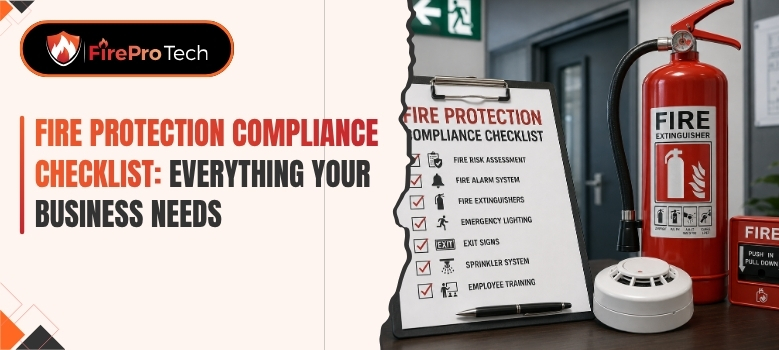
Fire protection compliance checklist planning can help your business find missed inspections, unresolved deficiencies, incomplete records, and system conditions that may affect safety or approval.
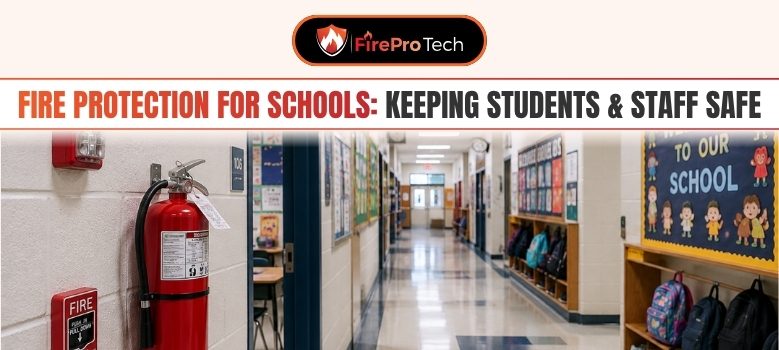
Fire protection for schools is a daily responsibility for administrators, facility managers, and school leaders who must protect students, staff, visitors, and the continuity of education.
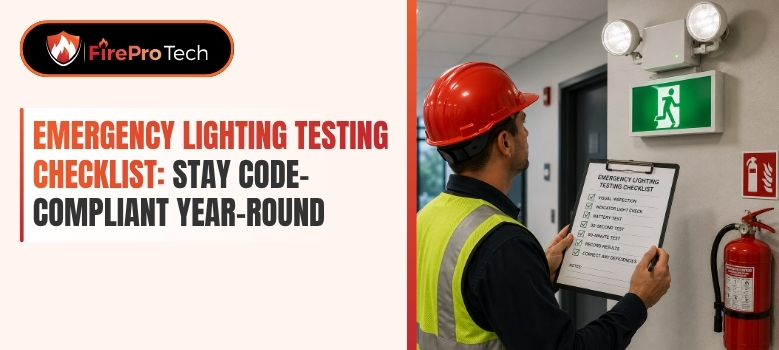
Emergency lighting testing checklist work can become difficult to manage when exit fixtures are spread across several floors, tenant spaces, stairwells, corridors, and exterior discharge paths.