

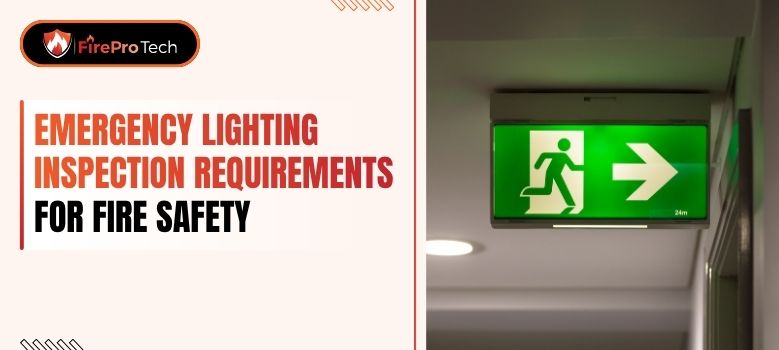
Emergency lighting inspection requirements are foundational to effective fire safety. They ensure that emergency lights and exit signage operate reliably when power fails, guiding occupants safely out of buildings during emergencies.
For Houston’s building owners and facility managers, staying current with these requirements is not just about compliance—it’s about protecting people and property.
FirePro Tech, LLC leverages in-depth knowledge of emergency lighting test protocols and NFPA 101 emergency lighting requirements to deliver thorough inspections that promote safety and meet regulatory expectations.
Their Houston-based expertise helps clients address critical elements like exit sign inspection requirements and emergency lighting battery test processes, ensuring systems perform flawlessly when it matters most. This makes emergency lighting inspection requirements easier to track, document, and schedule with confidence.
Emergency lighting inspection requirements serve as a crucial checkpoint to confirm that emergency lighting systems perform precisely when needed most. These inspections are not just routine formalities—they are vital measures to ensure life safety during power failures, fires, or other emergencies.
By verifying that every emergency light is operational, illuminated exit signs comply with standards, and backup power sources are reliable, inspections minimize risks to occupants evacuating a building.
When building managers and owners in Houston partner with experts like FirePro Tech, LLC, they gain confidence that emergency lighting test procedures are thorough and tailored to their facility’s unique needs. These inspections help maintain strict adherence to safety codes while reducing liability risks and enhancing occupant security.
A neglected emergency lighting system can fail silently until a crisis occurs, but regular inspections reveal issues early, enabling prompt repair or replacement.
Emergency lighting inspection requirements refer to the mandatory evaluations of emergency illumination and exit signage functionality. Their primary purpose is to verify that these critical safety devices operate correctly under emergency conditions.
Typical inspections involve testing that backup batteries maintain charge during power outages, confirming emergency lights activate instantly when normal power is lost, and examining exit signs for proper illumination and visibility.
Regular inspections are indispensable for both life safety and legal compliance. Buildings are required by fire safety codes to conduct these checks at prescribed intervals to ensure continuous readiness. For instance, periodic emergency lighting battery tests assess battery capacity, preventing unexpected failures during an actual emergency.
Furthermore, these inspections contribute to early detection of electrical faults, fixture malfunctions, or physical damage, all of which could jeopardize safe evacuation.
The backbone of emergency lighting inspection requirements is found in the NFPA 101 Life Safety Code, which establishes clear directives on emergency lighting performance and maintenance.
Particularly relevant are the NFPA 101 emergency lighting requirements that set standards for illumination levels, testing frequencies, and system location, ensuring that occupants have sufficient guidance during power interruptions.
Houston buildings must also comply with local fire codes and regulations, which often integrate or expand upon national standards. Authorities having jurisdiction in Houston regularly enforce these regulations to maintain public safety. Understanding these layers of code—from NFPA mandates to municipal ordinances—is key for successful emergency lighting compliance.
FirePro Tech, LLC stays current with these evolving standards, delivering inspection services that meet or exceed every requisite benchmark. A clear plan for emergency lighting inspection requirements also helps teams address small issues before they become compliance problems.
FirePro Tech, LLC provides Houston-area properties with customized emergency lighting inspection services that address specific building designs and operational risks. Our approach includes comprehensive testing protocols such as the emergency lighting test and exit sign inspection requirements, carried out by certified technicians familiar with NFPA standards and Houston codes.
Beyond inspection, FirePro Tech, LLC offers expert guidance on interpreting results and implementing corrective actions. This proactive service model reduces the chance of costly code violations and enhances overall fire protection services.
By integrating ongoing maintenance recommendations and documentation support, we help facility managers maintain continuous emergency lighting compliance, safeguarding occupants and property with confidence. For Houston properties, consistent emergency lighting inspection requirements connects daily readiness with stronger fire safety outcomes.
Emergency lighting is more than just a safety precaution—it is a code-mandated necessity that guides occupants during power failures and emergencies.
The NFPA 101 Life Safety Code meticulously outlines how emergency lighting systems should function, where they must be placed, and how they should be maintained to ensure safety and compliance.
Understanding these detailed NFPA 101 emergency lighting requirements is critical for property managers and building owners, especially in Houston, where adherence to local regulations complements national standards.
The NFPA 101 code specifies precise requirements governing illumination levels, duration, and placement of emergency lighting fixtures. Emergency lights must provide sufficient illumination—typically a minimum of one foot-candle (about 10.7 lux)—along exit routes to guarantee visibility during an evacuation.
These fixtures are strategically positioned to cover stairwells, hallways, corridors, and any hazard zones where occupants might encounter danger or confusion.
Duration is another critical factor; emergency lighting systems must remain operational for at least 90 minutes during a power outage. This time frame allows occupants adequate opportunity to exit safely without succumbing to darkness or disorientation.
NFPA 101 also emphasizes that emergency lights be installed to illuminate both primary and secondary exit routes, reinforcing safe egress under various circumstances. Including emergency lighting inspection requirements in the service plan keeps responsibilities visible for owners, managers, and technicians.
For facilities located in Houston and surrounding areas, FirePro Tech, LLC ensures emergency lighting placement and performance meet these exacting standards. Their experience with local building designs—whether commercial, industrial, or institutional—allows them to fine-tune inspections based on unique site-specific considerations.
Exit signage forms a crucial part of any emergency lighting system and is equally regulated under NFPA 101. Illuminated exit signs must be inspected to confirm their brightness, visibility, and continuous operation under emergency power.
Inspection points include verifying that the sign’s lamps are functional, the faceplates are clean and unobstructed, and the signs provide adequate guidance along exit pathways. That added discipline helps emergency lighting inspection requirements support both occupant protection and regulatory expectations.
Maintenance standards require these signs to be tested regularly, with batteries and power supplies checked for integrity. In practice, this means performing periodic operational tests and emergency lighting battery tests to guarantee that exit signs will light instantly and steadily during a power loss.
FirePro Tech, LLC’s thorough exit sign inspection requirements incorporate these criteria, helping Houston-based clients avoid common pitfalls such as dim or non-functional signage that could hinder evacuation efforts.
A reliable backup power source is non-negotiable for maintaining emergency lighting compliance. NFPA 101 mandates an emergency lighting battery test at regular intervals to assess battery health, charge retention, and runtime capability.
Typically, battery tests are conducted monthly for operational readiness and annually for a full 90-minute duration test, reflecting real emergency conditions. When documented well, emergency lighting inspection requirements gives facility teams clearer proof of readiness during reviews.
The batteries must support the emergency lighting system without interruption, free from defects or deterioration. FirePro Tech, LLC applies industry-best practices during emergency lighting battery tests, using advanced diagnostic equipment to detect early signs of battery degradation or failure.
This proactive approach ensures that Houston property managers address potential issues before they compromise safety.
Together, these NFPA 101 emergency lighting requirements create a comprehensive framework that balances illumination effectiveness, reliable power, and maintenance diligence. Trusting FirePro Tech, LLC’s experienced team guarantees not only adherence to these codes but also a practical pathway to lasting emergency lighting compliance customized for Houston’s unique environments.
This makes emergency lighting inspection requirements easier to track, document, and schedule with confidence.
Ensuring that your emergency lighting system is functional requires more than just a quick glance. A professional approach combines detailed inspection, thorough testing, and precise evaluation to verify every component, including batteries and illuminated signage.
In Houston’s dynamic environment, where power interruptions and safety are real concerns, rigorous emergency lighting test procedures safeguard occupant well-being and keep buildings compliant with fire safety codes.
A comprehensive emergency lighting test goes beyond simple visual checks. It begins with a detailed visual inspection of all emergency fixtures and exit signs, confirming there is no physical damage, corrosion, or dust obstructing light output.
Technicians then perform operational tests by cutting normal power to simulate an outage, observing if the emergency lights and exit signs activate immediately and remain illuminated according to NFPA 101 emergency lighting requirements.
A clear plan for emergency lighting inspection requirements also helps teams address small issues before they become compliance problems.
Additionally, battery capacity evaluations form a cornerstone of testing, assessing if the backup power can sustain illumination for the mandatory duration, typically 90 minutes.
FirePro Tech, LLC tailors testing frequency based on both the NFPA code guidance and Houston’s local fire regulations, usually recommending monthly brief tests and annual full-duration tests. This disciplined routine ensures any deterioration or malfunction surfaces well before an actual emergency.
The health of emergency lighting batteries directly impacts system reliability. Thorough emergency lighting battery tests involve checking the battery’s charge level, runtime capabilities, and internal condition.
Technicians use specialized diagnostic tools to simulate discharge cycles, measuring how long the battery sustains power and identifying performance declines that may not be visible during a short test. For Houston properties, consistent emergency lighting inspection requirements connects daily readiness with stronger fire safety outcomes.
Common signs of battery failure include reduced run time, inability to hold a charge, corrosion on terminals, or unexpected power drops during testing. FirePro Tech, LLC advises scheduling immediate maintenance or replacement when these indicators appear.
For Houston businesses, this proactive approach minimizes sudden outages and aligns with rigorous emergency lighting compliance demands, preventing costly disruptions.
Accurate documentation is as vital as the inspection itself. FirePro Tech, LLC maintains detailed records of all emergency lighting tests, including dates, test results, and any corrective actions taken. These records form the backbone of compliance evidence, serving critical functions during safety audits, insurance reviews, and regulatory inspections.
Including emergency lighting inspection requirements in the service plan keeps responsibilities visible for owners, managers, and technicians.
Keeping inspection reports up to date streamlines annual certifications and helps facility managers track maintenance trends or recurring issues. This transparency not only supports adherence to exit sign inspection requirements and emergency lighting battery test protocols but also provides peace of mind for property owners entrusted with occupant safety.
FirePro Tech, LLC’s methodical approach ensures that every Houston client benefits from both operational reliability and compliant, well-documented emergency lighting systems.
Call Now for Professional Emergency Lighting Compliance
Read Also: Fire Safety Inspection Checklist for Commercial Businesses
Maintaining emergency lighting compliance often presents several challenges for building owners and facility managers in Houston. Identifying these frequent issues early allows for effective solutions that uphold safety and avoid regulatory penalties. That added discipline helps emergency lighting inspection requirements support both occupant protection and regulatory expectations.
One of the most common problems during emergency lighting inspections is non-functioning bulbs or fixtures. Burned-out lamps compromise evacuation routes, putting occupants at risk. Similarly, dead or deteriorated batteries often go unnoticed until a power outage reveals their failure, undermining emergency lighting battery test expectations.
Illumination levels sometimes fall short due to aging bulbs or improper maintenance, failing to meet NFPA 101 emergency lighting requirements. When documented well, emergency lighting inspection requirements gives facility teams clearer proof of readiness during reviews.
Structural changes and interior modifications pose another challenge. Exit signs can become obscured by new partitions, shelving, or decorations, reducing visibility precisely when it’s most needed.
Improper placement of emergency lights during renovations or expansions also leads to dark spots along escape routes, violating exit sign inspection requirements and local fire safety codes.
Consistent emergency lighting compliance demands proactive maintenance strategies. Implementing routine maintenance schedules, including monthly functional tests and annual full-duration battery tests, ensures early detection and resolution of issues. These checks also provide an opportunity to address environmental factors like dust accumulation or fixture damage.
This makes emergency lighting inspection requirements easier to track, document, and schedule with confidence.
Educating building staff and occupants about emergency lighting awareness is equally important. When employees understand the significance of clear exit signage and operational emergency lights, they can promptly report any malfunction or obstruction. This collaborative vigilance reduces neglect and supports swift corrective action.
At FirePro Tech, LLC, we recognize that every Houston facility faces unique challenges with emergency lighting compliance. Our customized inspection plans align with your building’s layout, occupancy, and specific regulatory obligations. We don’t just perform inspections—we partner with you to develop a maintenance roadmap that fits your operational realities.
A clear plan for emergency lighting inspection requirements also helps teams address small issues before they become compliance problems.
Beyond inspections, FirePro Tech, LLC provides rapid and responsive corrective maintenance services to address any emergency lighting failures discovered during testing. From replacing faulty bulbs to performing emergency lighting battery tests and correcting signage placement, our team ensures your system remains fully operational and compliant.
With our expert support, Houston businesses avoid costly violations, improve safety outcomes, and maintain peace of mind throughout the year. For Houston properties, consistent emergency lighting inspection requirements connects daily readiness with stronger fire safety outcomes.
Maintaining emergency lighting inspection requirements is a critical component of any fire safety program in Houston and neighboring communities. Properly functioning emergency lighting and exit signs can make the difference between a safe evacuation and confusion during an emergency.
FirePro Tech, LLC brings extensive local expertise to emergency lighting inspection services, ensuring that each inspection, emergency lighting test, and battery evaluation fully aligns with NFPA 101 emergency lighting requirements and Houston’s unique regulatory environment.
With comprehensive exit sign inspection requirements, detailed emergency lighting battery tests, and meticulous reporting, FirePro Tech, LLC helps clients bridge the gap between basic compliance and genuine safety assurance.
Their tailored approach addresses the specific needs of diverse facilities—from commercial office buildings to industrial complexes—providing reliable fire protection services that stand up to scrutiny. Including emergency lighting inspection requirements in the service plan keeps responsibilities visible for owners, managers, and technicians.
By partnering with FirePro Tech, LLC, Houston property managers invest in more than just meeting codes; they choose a trusted ally dedicated to sustaining emergency lighting compliance, enhancing occupant safety, and protecting property.
This commitment translates into peace of mind, knowing your fire safety solutions are effective, documented, and designed for the demands of your building and local jurisdiction.
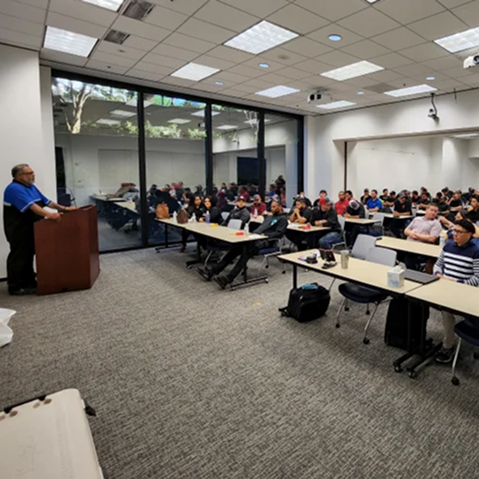
Commercial buildings must conduct monthly functional tests and annual 90-minute duration tests on emergency lighting systems to comply with NFPA 101 standards. These inspections verify that emergency lights and exit signs operate correctly during outages, ensuring occupant safety and code compliance in Houston properties. That added discipline helps emergency lighting inspection requirements support both occupant protection and regulatory expectations.
NFPA standards require monthly emergency lighting tests to confirm system functionality and an annual full-duration test where lights operate for at least 90 minutes under backup power. This schedule helps detect failures early and maintains compliance with safety codes enforced throughout Texas. When documented well, emergency lighting inspection requirements gives facility teams clearer proof of readiness during reviews.
An emergency lighting battery test assesses the battery’s ability to hold charge and supply power during an outage. It includes measuring runtime, checking for voltage stability, and identifying wear or corrosion. FirePro Tech, LLC performs these tests to ensure batteries in Houston buildings reliably support emergency lighting compliance. This makes emergency lighting inspection requirements easier to track, document, and schedule with confidence.
Yes, exit sign inspections focus specifically on verifying that illuminated signs remain visible, functional, and properly powered during emergencies. While related, emergency lighting inspections cover a broader system including lights along exit routes. Both are essential for meeting NFPA 101 and local Houston fire codes. A clear plan for emergency lighting inspection requirements also helps teams address small issues before they become compliance problems.
Failing an emergency lighting inspection can result in citations, fines, or even temporary closure from local authorities. It also increases safety risks during emergencies. Prompt corrective actions, such as bulb replacements or battery servicing by professionals like FirePro Tech, LLC, are critical to regain compliance and occupant protection. For Houston properties, consistent emergency lighting inspection requirements connects daily readiness with stronger fire safety outcomes.
Absolutely. FirePro Tech, LLC provides detailed inspection reports documenting test results, maintenance actions, and compliance status. These records simplify regulatory audits and insurance requirements, helping Houston businesses maintain transparent and up-to-date emergency lighting compliance documentation. Including emergency lighting inspection requirements in the service plan keeps responsibilities visible for owners, managers, and technicians.
Yes, commercial properties face stricter emergency lighting regulations under NFPA 101 due to higher occupancy and complexity, while residential buildings often have less stringent requirements. Nonetheless, all properties in Texas should follow applicable codes to ensure safe egress during power failures. That added discipline helps emergency lighting inspection requirements support both occupant protection and regulatory expectations.
Frequent causes include dead or weak batteries, burned-out bulbs, wiring issues, and physical damage or obstruction of fixtures. Environmental factors like dust accumulation or moisture also impact performance. FirePro Tech, LLC’s inspections in Houston identify these issues early, enabling timely repairs and sustained emergency lighting compliance.
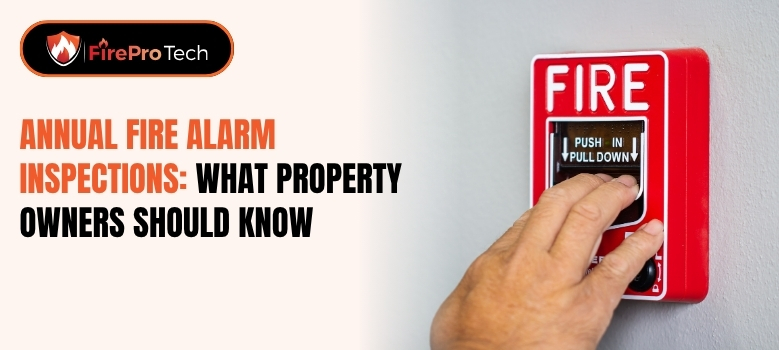
A reliable schedule for annual fire alarm inspections helps property owners find system problems before an alarm, inspection deadline, or fire marshal review exposes them. In Houston, commercial buildings often depend on coordinated inspections, testing, documentation, and repairs to keep fire protection responsibilities organized.
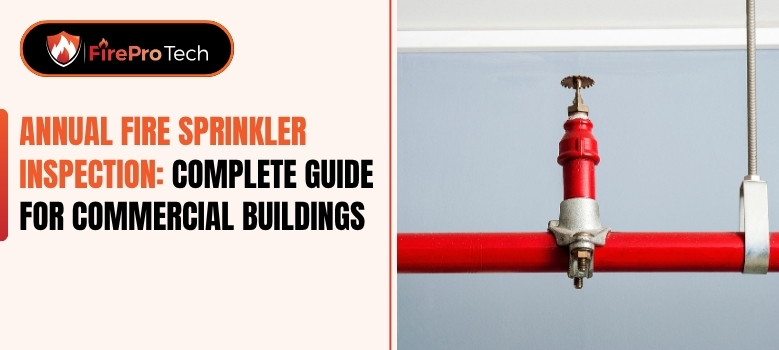
Annual fire sprinkler inspection is a recurring commercial building responsibility that can become difficult when records are incomplete, access is limited, or deficiencies are discovered at the last minute.
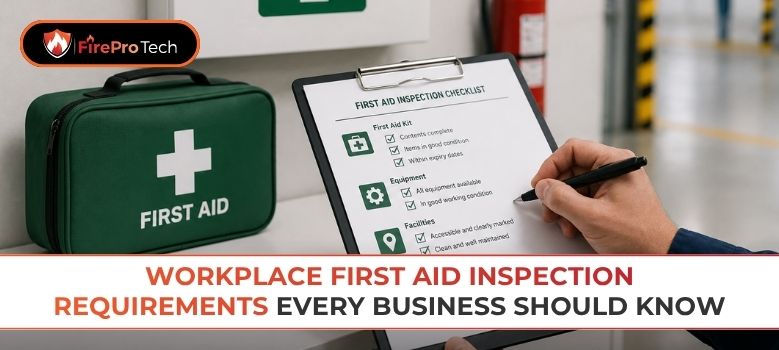
Workplace first aid inspection requirements are easy to overlook because the cabinet may look complete from the outside. A real inspection checks whether supplies are present, usable, accessible, and suited to the injuries employees could reasonably face.