

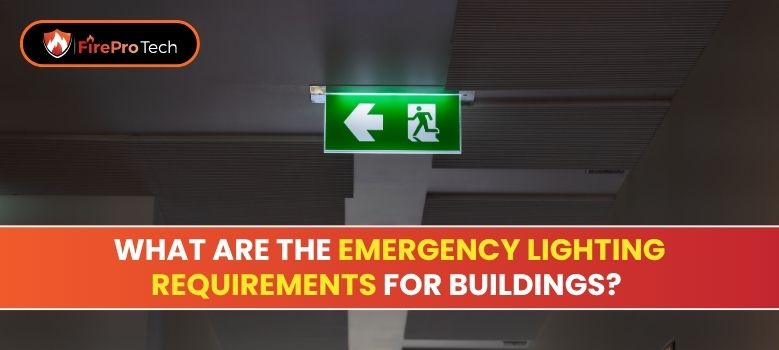
Emergency lighting requirements go far beyond simply installing lights that turn on when power fails. These systems serve as a lifeline in critical moments, illuminating exit pathways, stairwells, and hazard areas to ensure safe evacuation and prevent panic during emergencies.
For buildings in Houston and nearby areas, understanding these requirements involves grasping not just the technical specifications but the regulatory landscape that enforces them.
Comprehensive knowledge of emergency lighting regulations is vital for building owners, managers, and safety professionals to maintain compliance and protect occupants effectively while meeting emergency lighting requirements. FirePro Tech, LLC recognizes how complex and crucial this can be.
As a seasoned fire protection company specializing in emergency lighting services, they help commercial and residential clients navigate the full spectrum of demands tied to emergency lighting requirements—from proper fixture placement and illumination levels to battery backup durations.
Their expertise extends to emergency lighting system testing, ensuring that every component operates flawlessly when most needed. By partnering with FirePro Tech, LLC, Houston area property managers gain access to reliable testing, maintenance, and consulting services that keep their buildings safe, code-compliant, and ready to handle unforeseen outages or emergencies.
This article will delve into the essential emergency lighting requirements and reveal how professional service providers like FirePro Tech, LLC play a pivotal role in maintaining life safety and regulatory conformity.
Emergency lighting refers to specially designed lighting systems that automatically activate when the primary electrical power supply fails, forming a core part of emergency lighting requirements. These systems illuminate critical areas such as exit pathways, stairwells, corridors, and assembly points during emergencies, enabling occupants to evacuate safely.
Unlike regular lighting, emergency lighting is connected to backup power sources—typically batteries or generators—to ensure uninterrupted illumination during outages caused by fires, storms, or other unexpected disruptions. Its fundamental purpose is to provide visibility where it matters most, reducing confusion and preventing injuries or fatalities during critical moments.
The importance of emergency lighting requirements cannot be overstated when it comes to occupant safety and regulatory compliance. These requirements dictate specific standards designed to guarantee that lighting will reliably function when needed, guiding people through safe exits and preventing panic.
Without these standards, poorly lit exit routes or malfunctioning emergency lights can lead to dangerous stampedes, falls, or even loss of life. Emergency lighting also plays a crucial role in meeting fire codes and safety standards mandated by authorities. Adequate illumination helps first responders navigate quickly and safely during rescue or firefighting efforts.
Furthermore, adherence to emergency lighting requirements protects building owners and managers from legal liability, fines, and insurance complications that arise from non-compliance. In regions like Houston and its surrounding areas, where fire risks and weather-related power outages are significant, complying with emergency lighting standards is integral to comprehensive fire protection services.
Emergency lighting requirements are governed by a combination of national, state, and local fire safety codes. The most widely adopted and influential standards include:
The NFPA 101 Life Safety Code is the benchmark for life safety in building design, specifying the minimum emergency lighting levels, activation timeframes, and testing frequencies. It mandates emergency lighting system installation in critical areas such as means of egress and requires regular inspection and testing to verify system readiness.
The IBC incorporates emergency lighting regulations relating to building occupancy types, fixture placement, and power supply, all aligned with emergency lighting requirements. It often works in conjunction with NFPA standards by reinforcing installation guidelines and imposing stricter local compliance rules based on building use and size.
Houston and Texas have adapted these national standards with additional amendments tailored to regional conditions. These may include specific requirements for hurricane preparedness, high humidity considerations, and local ordinances for commercial building emergency lighting. Staying current with these specific codes is essential for all Houston property managers and owners to ensure compliance.
Emergency lighting requirements apply broadly but vary depending on building occupancy and use. Key building types include:
– Commercial Buildings: Retail spaces, offices, and warehouses require emergency lighting to safeguard employees, customers, and visitors during outages or emergencies.
– High-Rise Buildings: Due to their complexity and population density, high-rises demand rigorous emergency lighting standards, covering stairwells, elevator lobbies, and refuge areas to ensure safe vertical evacuation.
– Public Assembly Spaces: Venues such as theaters, stadiums, and conference centers must provide clear, reliable illumination to manage large crowds safely during evacuations.
– Residential Complexes with Common Areas: Apart from individual units, exits, hallways, lobbies, and parking areas in apartment complexes and condominiums are subject to emergency lighting regulations to protect residents.
Navigating the intricate web of emergency lighting regulations can be challenging, especially for Houston buildings with unique structural and operational factors tied to emergency lighting requirements. FirePro Tech, LLC stands out as a knowledgeable partner for property owners and managers seeking expert guidance and reliable execution of emergency lighting services.
Their team is skilled in interpreting federal, state, and local codes, ensuring that each installation and maintenance plan aligns fully with mandated emergency lighting requirements. From design consultation and code analysis to emergency lighting system testing requirements, FirePro Tech, LLC delivers comprehensive solutions that simplify compliance.
Their presence in Houston and nearby areas means clients benefit from timely, localized expertise that takes the guesswork out of regulatory demands. Through their commitment to quality and safety, FirePro Tech, LLC helps make emergency lighting systems both dependable and code-compliant, safeguarding lives and property every step of the way.
One of the core emergency lighting requirements for buildings is maintaining adequate illumination levels in critical areas to guide occupants safely during emergencies. The guidelines typically specify a minimum brightness of 1 foot-candle (approximately 10.76 lux) along egress paths such as corridors, stairways, and exit routes.
This level ensures visibility without causing glare or confusion, which is essential under emergency lighting requirements. For stairways, illumination must be consistent and reliable, covering each step to prevent trips or falls. Exit doors and discharge points require additional brightness to clearly indicate safe ways out.
In commercial building emergency lighting, these illumination levels must extend to common areas, exit signage, and any spaces where occupants gather or transition. Maintaining these levels is essential not only for occupant safety but also to comply with fire protection services’ regulations in Houston and nearby regions.
Emergency lighting systems must operate independently of the main power supply for a minimum duration, typically 90 minutes, as dictated by NFPA and local codes governing emergency lighting requirements. This duration is critical because it covers the typical timeframe needed for safe evacuation and emergency response.
Battery backup systems are the most common means of providing this autonomy. They must be capable of delivering full illumination throughout the required timeframe without significant drop in light output.
Additionally, buildings may incorporate alternative power sources such as on-site generators to support longer durations or more complex emergency lighting configurations. These backup power solutions ensure continuous operation even in prolonged outages or multiple system failures.
Emergency lighting requirements also specify the areas that must be covered to optimize safety:
– Exit Access Routes: All pathways leading occupants toward exits must be illuminated to prevent confusion or hesitation during evacuation.
– Exit Discharge Points: The final segments of an evacuation route, including doorways leading outside, require distinct and reliable lighting.
– High-Hazard Areas: Spaces with elevated risks, such as chemical storage rooms or mechanical equipment areas, need enhanced emergency lighting to mitigate dangers during emergencies.
Ensuring comprehensive coverage across these zones requires careful planning and installation in line with emergency lighting regulations.
Proper installation is vital to the effectiveness of emergency lighting systems and compliance with emergency lighting requirements. Mounting heights and fixture positioning are strictly regulated to balance optimal light distribution with safety and aesthetics. Fixtures should avoid obstacles and be located to minimize shadows or dark spots along escape routes.
Visibility and signage integration is another crucial consideration within emergency lighting requirements. Emergency lighting often works hand-in-hand with illuminated exit signs; their placement and brightness must complement each other to guide occupants clearly to safety.
Maintenance standards demand regular inspections and prompt repairs of any system faults. This includes checking battery health, fixture operation, and circuit integrity. Persistent compliance with emergency lighting testing requirements is essential to maintain system readiness and pass periodic safety audits.
For building owners and managers in Houston and surrounding areas, partnering with a knowledgeable fire protection company like FirePro Tech, LLC is key to achieving and maintaining full compliance with emergency lighting requirements. Their expert technicians are well-versed in local codes and industry best practices.
FirePro Tech, LLC ensures that installations follow proper illumination standards, cover all mandated areas, and incorporate reliable backup power systems in line with emergency lighting requirements. Beyond installation, FirePro Tech, LLC provides comprehensive emergency lighting services including routine testing and maintenance, easing the burden of compliance.
Their tailored approach guarantees that every system not only meets but often exceeds regulatory demands, delivering dependable safety solutions that protect occupants and properties across Houston and nearby locations.
Read Also: Emergency Lighting Inspection Requirements for Fire Safety
Emergency lighting systems rely on multiple specialized components working in harmony to ensure safety and meet emergency lighting requirements. The three primary types of fixtures integral to these systems are emergency exit signs, emergency luminaires, and backup power units.
Emergency exit signs serve as visual beacons that clearly mark exit routes and doors, often utilizing bold, illuminated lettering and recognizable symbols. These signs must remain visible at all times during emergencies, guiding occupants away from danger.
Emergency luminaires are the lighting fixtures themselves—the actual lights illuminating corridors, stairwells, and other critical egress paths in accordance with emergency lighting requirements. They come in various forms, including wall-mounted, recessed, or ceiling fixtures, and are designed to deliver uniform, glare-free illumination that complies with prescribed minimum standards.
Backup power units are the unsung heroes, providing the crucial energy reserve that keeps emergency lighting active when primary electrical sources fail. Most commonly, these include sealed batteries or connections to standby generators, designed to power lights and exit signs for at least 90 minutes or longer depending on code requirements and building needs.
Modern emergency lighting systems often operate as part of a larger fire safety ecosystem, reinforcing emergency lighting requirements. Integration with fire alarm systems ensures that emergency lighting activates automatically and without delay upon detection of fire or smoke.
This interoperability is essential for immediate response during emergencies. When alarms trigger, lighting systems illuminate evacuation routes even before general power loss occurs, offering occupants a clear path to safety.
FirePro Tech, LLC understands the critical importance of seamless integration. Their emergency lighting services incorporate advanced control modules and communication networks that synchronize lighting activation with fire alarm panels, sprinklers, and other safety mechanisms.
This comprehensive approach helps buildings in Houston and nearby areas meet stringent emergency lighting regulations and enhances overall life safety performance.
Technology in emergency lighting has evolved significantly, supporting improved compliance with emergency lighting requirements and introducing innovations that improve reliability, energy efficiency, and ease of maintenance.
LED technology now dominates emergency lighting due to its long lifespan, low power consumption, and brighter illumination compared to traditional incandescent or fluorescent bulbs. LEDs reduce maintenance costs while providing consistent light output critical during emergencies.
Self-testing systems represent another leap forward in meeting emergency lighting requirements. These automated technologies continuously monitor emergency lighting components, performing scheduled diagnostic tests without human intervention.
They can detect faults such as battery degradation or lamp failures and alert maintenance personnel promptly, reducing the risk of unexpected system failure.
Companies like FirePro Tech, LLC leverage these innovations in their emergency lighting services, installing state-of-the-art fixtures and self-testing capabilities that keep Houston commercial buildings compliant and safe with minimal downtime.
Selecting appropriate components for an emergency lighting system goes beyond just meeting regulatory checkboxes. Proper selection impacts the effectiveness of illumination during emergencies and affects compliance with emergency lighting requirements.
Incorrect fixture types, inadequate backup power, or poor integration can result in insufficient lighting coverage, short battery runtimes, or delayed system activation—issues that can jeopardize occupant safety and lead to regulatory penalties. Furthermore, optimal component choices can enhance energy efficiency and reduce long-term operating costs.
FirePro Tech, LLC’s expertise as a trusted fire protection company ensures that every element—from exit signage to backup units—is chosen and installed to suit the specific building type, occupancy, and local code demands in Houston and surrounding areas while meeting emergency lighting requirements.
This meticulous attention to component selection helps clients achieve reliable performance, regulatory compliance, and peace of mind regarding occupant safety.
Meeting emergency lighting requirements means more than just installing the right systems; it demands diligent and consistent testing to guarantee functionality when lives depend on it. Both local Houston ordinances and national authorities like the National Fire Protection Association (NFPA) set clear mandates on testing frequencies and documentation.
These rules aim to confirm that emergency lighting systems remain operational and compliant with safety standards over time, reinforcing emergency lighting requirements. Under NFPA 101, for instance, monthly and annual testing of emergency lighting systems is compulsory.
Houston fire codes reinforce these mandates with specific documentation requirements, ensuring that building managers maintain accurate and accessible records. Failure to adhere to these emergency lighting testing requirements can lead to compliance issues and compromise occupant safety.
Choose the Best Emergency Lighting Service involves multiple checks designed to confirm different aspects of system readiness as part of emergency lighting requirements:
Monthly Functional Tests: These are brief evaluations that verify the emergency lights switch on automatically when the power supply is interrupted. Typically lasting 30 seconds, monthly functional tests help detect early warning signs of failure, such as faulty bulbs or connection problems.
Annual Full-Duration Battery Tests: More comprehensive than monthly checks, full-duration battery tests last at least 90 minutes—the expected minimum runtime for emergency lighting during outages. This test confirms that backup power sources like batteries can support uninterrupted operation for the required period without significant drop-off in illumination.
Regular adherence to both testing types is critical for sustained compliance with emergency lighting regulations and optimal safety outcomes.
Performing emergency lighting system testing involves a systematic approach that covers all key components required under emergency lighting requirements:
1. Prepare the System: Notify building occupants if testing may affect lighting or alarms to avoid unnecessary alarm or panic.
2. Conduct Monthly Functional Test: Simulate power failure by manually disabling normal power or activating test modes, observing that all emergency lights and exit signs illuminate correctly.
3. Perform Annual Full-Duration Test: Disconnect the main power source to allow battery backup to power the system fully, monitoring for consistent illumination and timing the duration until power falls below acceptable levels.
4. Inspect Physical Components: Check for damaged fixtures, loose wiring, or corrosion, and replace any defective parts immediately.
5. Record Results: Document test dates, observations, faults found, corrective actions taken, and battery replacements.
Common pitfalls include inconsistent test schedules, neglecting detailed recordkeeping, and overlooking hidden faults such as degraded batteries that pass short tests but fail during prolonged outages.
Accurate and thorough recordkeeping forms the backbone of compliance with emergency lighting requirements. Authorities often require detailed logs of all tests performed, including dates, personnel involved, test results, and any maintenance activities.
These records are vital during inspections, audits, or incident investigations as proof that the building’s emergency lighting systems meet fire protection services’ standards and emergency lighting requirements.
Failure to maintain comprehensive documentation can lead to enforcement actions, fines, or elevated liability in case of an emergency. Using digital record systems or partnering with fire protection companies that specialize in documentation management can streamline compliance and ensure readiness.
Navigating the stringent emergency lighting testing requirements can be complex for many property owners and managers, especially when aligning with emergency lighting requirements. FirePro Tech, LLC, a trusted fire protection company serving Houston and nearby areas, offers professional emergency lighting system testing services tailored to local codes and industry best practices.
Their licensed technicians conduct thorough monthly and annual testing, accurately identify and resolve faults, and provide detailed, compliant documentation that supports emergency lighting requirements. By entrusting emergency lighting testing to FirePro Tech, LLC, clients gain peace of mind knowing their systems are reliable and that they meet all regulatory obligations.
This proactive approach not only enhances occupant safety but also minimizes risks of costly compliance violations, making FirePro Tech, LLC the premier choice for fire protection services near me in Houston.
Despite clear emergency lighting requirements, many buildings in Houston and its surrounding areas struggle with maintaining consistent compliance. One widespread challenge is neglected maintenance. Over time, batteries degrade, bulbs burn out, and wiring can become compromised—yet many property managers fail to schedule regular upkeep, putting occupant safety at risk.
Another frequent issue is inadequate documentation related to emergency lighting requirements. Proper records of emergency lighting system testing, repairs, and inspections are mandatory for demonstrating compliance during audits. Buildings with missing or incomplete logs often face penalties and may be forced to perform costly retroactive testing.
Improper fixture placement also contributes to compliance failures. Emergency lights must be strategically installed to illuminate egress paths, exit signs, and high-risk areas according to regulations. Misplaced or insufficient fixtures can create dark spots, leading to hazardous conditions during power outages or emergencies.
Overcoming these challenges begins with instituting regular scheduled inspections and upkeep aligned with emergency lighting requirements. Property managers should adopt a proactive maintenance plan that includes monthly functional testing and annual full-duration battery inspections, aligned with emergency lighting testing requirements.
Partnering with a reliable fire protection company like FirePro Tech, LLC adds tremendous value in meeting emergency lighting requirements. Their expertise ensures that installations are up to code, testing is thorough, and documentation is meticulous. By outsourcing emergency lighting services, Houston businesses benefit from professional oversight, reducing the risk of missed inspections or overlooked system faults.
Staff training and awareness are equally essential. Educating building personnel on the importance of reporting lighting issues and understanding emergency protocols creates an additional layer of safety and compliance vigilance.
Failing to meet emergency lighting requirements can result in significant repercussions. Regulatory authorities may impose hefty fines for non-compliance, and insurance policies could be jeopardized if a building is found negligent. Beyond financial penalties, the most serious risk is endangering occupants’ lives due to inadequate or nonfunctional emergency lighting during evacuations.
Liability exposure in the event of injury or property damage can also escalate when compliance is ignored. Thus, proactive management of emergency lighting systems is not just a regulatory obligation but a crucial risk mitigation strategy.
FirePro Tech, LLC stands as a trusted partner in maintaining continuous compliance for Houston-area buildings while meeting emergency lighting requirements. They offer customized ongoing maintenance contracts that include routine inspections, emergency lighting system testing, timely repairs, and recordkeeping services tailored to local codes.
Their comprehensive emergency lighting services ensure that both commercial and residential clients meet all inspection and documentation requirements with ease. By relying on FirePro Tech, LLC’s local expertise and hands-on management, building owners and managers secure dependable fire protection services that help avoid compliance pitfalls and safeguard occupants consistently.
Through this attentive and professional approach, FirePro Tech, LLC makes meeting emergency lighting requirements an achievable and sustainable reality for Houston’s property sector.
Maintaining compliance with emergency lighting requirements is far more than a legal formality—it’s a vital element of comprehensive fire protection and occupant safety. In Houston and surrounding areas, building owners and managers face the challenge of meeting stringent emergency lighting regulations that demand precision, reliability, and ongoing diligence.
This is where professional emergency lighting services become indispensable. FirePro Tech, LLC offers a full spectrum of expert fire protection solutions designed to ensure your commercial or residential building adheres to every applicable code and safety standard.
Their capabilities range from installing and upgrading emergency lighting systems to conducting detailed emergency lighting system testing and maintaining meticulous compliance records that support emergency lighting requirements. Their proactive approach minimizes risk, prevents costly violations, and—most importantly—safeguards lives when emergencies arise.
Choosing FirePro Tech, LLC means partnering with a fire protection company deeply rooted in Houston’s regulatory environment and dedicated to delivering tailored service. Their skilled technicians bring unmatched knowledge and hands-on experience, guaranteeing your emergency lighting systems function flawlessly exactly when needed.
For those seeking reliable fire protection services near me, FirePro Tech, LLC is the trusted name to keep your property safe, compliant, and prepared for any unforeseen event.
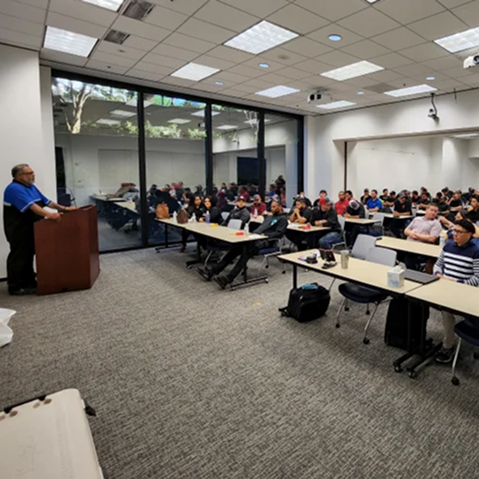
Key emergency lighting requirements for commercial buildings in Houston include maintaining adequate illumination levels along all exit routes, stairwells, and other egress paths, typically at a minimum of 1 foot-candle. Systems must have reliable backup power capable of providing at least 90 minutes of illumination during outages. Compliance with National Fire Protection Association (NFPA) standards, local fire codes, and the International Building Code is mandatory. FirePro Tech, LLC specializes in helping Houston businesses meet and exceed these standards through professional emergency lighting services, including installations, maintenance, and testing tailored to local regulations.
Emergency lighting must cover all areas critical for safe occupant evacuation in accordance with emergency lighting requirements. This includes exit access routes such as hallways and corridors, stairwells, exit discharge points leading outside, and any high-hazard or assembly areas that pose greater risk in emergencies. Proper coverage ensures clear visibility and safe navigation during power failures. FirePro Tech, LLC provides expert assessments and installations in Houston to ensure commercial and residential buildings have full emergency lighting coverage, meeting or exceeding all local and national safety codes.
Emergency lighting must cover all areas critical for safe occupant evacuation. This includes exit access routes such as hallways and corridors, stairwells, exit discharge points leading outside, and any high-hazard or assembly areas that pose greater risk in emergencies. Proper coverage ensures clear visibility and safe navigation during power failures. FirePro Tech, LLC provides expert assessments and installations in Houston to ensure commercial and residential buildings have full emergency lighting coverage, meeting or exceeding all local and national safety codes.
Yes, emergency lighting systems often integrate seamlessly with fire alarm and other safety systems. This integration allows emergency lights and exit signs to activate immediately upon fire alarm activation or power loss, providing occupants fast, clear guidance during evacuations. Reliable synchronization enhances overall safety and complies with local codes. FirePro Tech, LLC in Houston excels at designing and installing integrated systems that combine emergency lighting with fire alarms, helping properties maintain compliance while optimizing life safety protocols.
Common violations in Texas include inadequate illumination levels, failure to conduct regular testing, poor maintenance resulting in non-functional batteries or bulbs, improper fixture placement leading to dark zones, and insufficient documentation of testing and repairs—all of which breach emergency lighting requirements. These violations can expose properties to hefty fines and endanger occupants. FirePro Tech, LLC assists Houston-area clients in identifying and correcting such issues through professional maintenance, emergency lighting testing, and consulting services, ensuring ongoing adherence to emergency lighting regulations.
Emergency lighting is required to provide illumination for a minimum duration of 90 minutes during a power outage. This period ensures occupants have sufficient time to evacuate safely while emergency responders arrive. Backup power typically comes from batteries or generators to guarantee this runtime under varying emergency scenarios. FirePro Tech, LLC supports Houston buildings by installing high-quality backup power systems and conducting thorough emergency lighting system testing to verify that lighting will maintain reliability for the full required duration.
High-rise buildings are subject to specific and often more stringent emergency lighting standards due to increased complexity, occupant density, and evacuation challenges. These standards emphasize comprehensive coverage of stairwells, refuge areas, exit routes, and emergency communication systems, with rigorous installation and maintenance protocols. FirePro Tech, LLC has extensive experience working with high-rise properties in Houston, delivering emergency lighting services that align with these elevated standards, protecting occupants and ensuring swift compliance with emergency lighting requirements.
For dependable emergency lighting services in Houston and nearby areas, FirePro Tech, LLC is a leading provider specializing in installation, testing, maintenance, and compliance consulting. Their team combines local regulatory knowledge with technical expertise to tailor solutions for commercial and residential buildings alike. Whether you require routine emergency lighting system testing or a comprehensive upgrade, FirePro Tech, LLC offers trusted fire protection services near me in Houston, assuring your property remains safe, compliant, and prepared for emergencies.
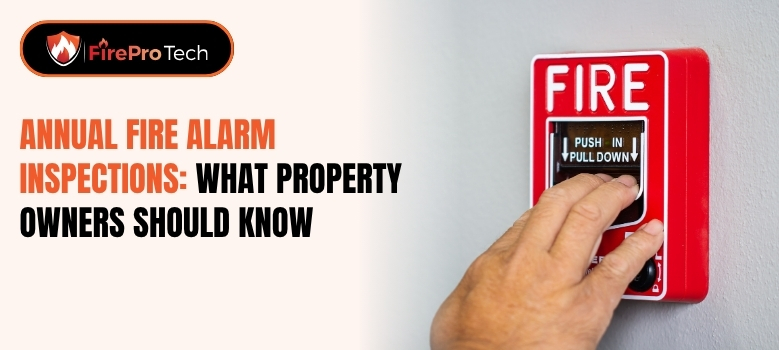
A reliable schedule for annual fire alarm inspections helps property owners find system problems before an alarm, inspection deadline, or fire marshal review exposes them. In Houston, commercial buildings often depend on coordinated inspections, testing, documentation, and repairs to keep fire protection responsibilities organized.
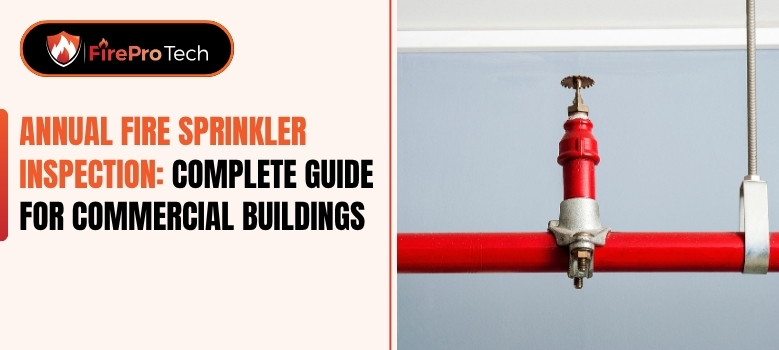
Annual fire sprinkler inspection is a recurring commercial building responsibility that can become difficult when records are incomplete, access is limited, or deficiencies are discovered at the last minute.
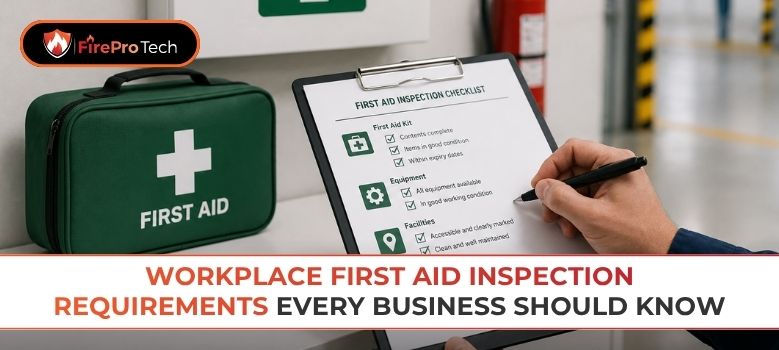
Workplace first aid inspection requirements are easy to overlook because the cabinet may look complete from the outside. A real inspection checks whether supplies are present, usable, accessible, and suited to the injuries employees could reasonably face.