

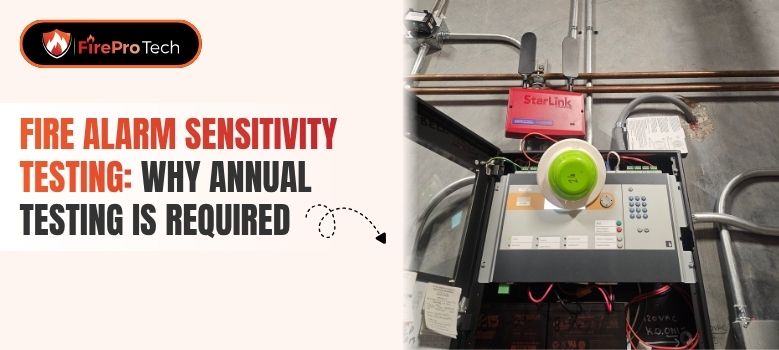
Fire alarm sensitivity testing is one of the easiest fire protection tasks to overlook until a system starts causing nuisance alarms or misses a real condition during an inspection.
If you manage a commercial building in Houston, that gap can create avoidable trouble fast, from failed testing to operational disruptions and compliance concerns.
This article explains why annual testing matters, what the test is really checking, how it fits into broader fire alarm compliance testing, and what building owners and facility managers should expect from a fire alarm sensitivity inspection.
We will also cover common mistakes, practical planning tips, and when to coordinate sensitivity work with other fire alarm services.
Fire alarm sensitivity testing is not just a technical checkbox. It helps confirm that smoke detectors and system sensors respond within an acceptable range, which is essential for early warning, reliable performance, and compliance readiness.
When sensors drift too far from their intended range, the system can become annoying, unreliable, or both.
For property owners and facility teams, the real value is confidence. You want to know the system will respond when needed, but not disrupt operations with repeated false activations.
That balance is especially important for fire alarm monitoring in Houston, where occupied commercial spaces, industrial facilities, multifamily properties, and other buildings depend on reliable monitoring to reduce downtime, prevent tenant complaints, and minimize costly emergency response incidents.
Fire alarm sensitivity testing looks at whether a smoke detector or smoke sensor is responding appropriately to smoke particles or simulated test conditions. It helps verify that the device is neither too sensitive nor too insensitive for its intended operation.
In practical terms, a detector that is too sensitive may create nuisance alarms from dust, steam, or normal building activity. A detector that is too insensitive may delay warning long enough to increase life safety and property damage risk.
The goal is to confirm the device is still operating within the acceptable range established by the manufacturer and the applicable fire code framework. This consideration can affect the scope and success of fire alarm sensitivity testing.
Sensitivity testing works best as part of a broader fire protection services plan that includes inspection, testing, maintenance, and documentation. It does not replace routine visual inspection or functional alarm testing, and it does not solve every performance issue by itself.
In many buildings, sensitivity issues are tied to the bigger picture. Dust buildup, aging devices, environmental conditions, poor device placement, or prior system changes can all affect performance.
That is why FirePro Tech, LLC treats fire alarm sensitivity testing as one piece of an ongoing compliance and reliability strategy rather than an isolated task.
Annual testing is required because detector sensitivity changes over time. Smoke detectors do not stay perfectly calibrated forever, especially in real buildings where temperature swings, humidity, airborne particles, and normal wear can affect performance. Annual testing helps catch drift before it becomes a safety or compliance problem.
For most facilities, the question is not whether the system once passed. It is whether it still performs properly today. That is why annual smoke detector testing matters so much for owners and managers who need consistent documentation and dependable alarm response.
Detectors are exposed to real-world conditions that gradually affect how they perform. Even well-maintained systems can drift because of:. Good coordination keeps fire alarm sensitivity testing aligned with the building’s actual needs.
These issues do not always cause a visible failure right away. Instead, they slowly move a detector away from its intended operating range, which is why annual sensitivity checks matter even when the system appears to be working normally.
Annual fire alarm sensitivity testing helps reduce the risk of nuisance alarms, missed alarms, repeated service calls, and failed inspections. It also gives your team a chance to correct small issues before they become expensive operational problems.
In a commercial building, a false alarm can interrupt business, trigger occupant confusion, and strain internal resources. A detector that is too sluggish is even more serious because it can reduce the early warning window that occupants depend on.
Annual testing is one of the most practical ways to protect both reliability and compliance.
Sensitivity testing should be performed by qualified fire protection professionals using the correct test method for the device type and system design.
The exact process can vary by manufacturer, equipment type, and building conditions, but the goal is always the same: confirm that the detector still responds within the acceptable range.
A proper fire alarm sensitivity inspection is more than pressing a button. It requires careful evaluation, device identification, documentation, and follow-through when readings are outside tolerance. That is especially important in larger facilities where a problem in one area may point to a broader maintenance issue.
A standard testing workflow usually includes the following activities:. Regular review helps the plan for fire alarm sensitivity testing reflect changing building conditions.
In the field, a good technician also watches for patterns. If several detectors in one area are drifting, the issue may relate to environmental conditions, contamination, or system layout rather than a single failing device. Identifying these trends during fire alarm sensitivity testing also supports more effective fire alarm maintenance, helping address underlying issues before they lead to false alarms, system failures, or costly repairs. This detail should be reviewed during testing, not after the work ends.
Not all devices are tested the same way. Smoke detector sensitivity testing may differ from testing for other alarm devices because detector technology, manufacturer instructions, and panel capabilities all affect the process.
Some systems allow remote reporting or automatic sensitivity indication through the control panel, while others require more direct testing methods. The right approach depends on the system in place, which is why experience matters.
Fire alarm sensor calibration is not a one-size-fits-all task, and using the wrong method can create misleading results.
The test itself is only part of the job. The record of the test matters just as much because it supports compliance, future service planning, and internal accountability. Clear records make fire alarm sensitivity testing easier to manage over time.
Your documentation should clearly show what was tested, what passed, what did not, and what actions were recommended. For managers who are responsible for inspections and tenant coordination, clean records make it much easier to track trends and plan maintenance without guessing.
A failed or out-of-range detector should not be ignored or reset without understanding why it failed. Failure can mean the detector is contaminated, aging, damaged, improperly located, or no longer suitable for the environment it serves. In some cases, cleaning or maintenance may resolve the issue, while why fire alarm system upgrades may be necessary when existing components are outdated, unreliable, or no longer meet current safety and operational requirements.
In others, replacement or additional troubleshooting may be the better path.
The right response depends on the underlying cause and the system design. That is why sensitivity results should be reviewed with the broader condition of the system in mind, not treated as a standalone number.
When a detector fails fire alarm sensitivity testing, the problem often falls into one of a few categories:
Each of these issues has different implications. A contaminated detector may need cleaning or re-evaluation. A badly placed detector may continue to cause problems until the location is corrected. An aging unit may be beyond practical repair.
A detector that is outside its proper range cannot be trusted the same way as a passing device. If the unit is too insensitive, it may delay alarm activation. If it is too sensitive, it may create repeated nuisance alarms that desensitize occupants and disrupt operations.
Planning for fire alarm sensitivity testing early can prevent avoidable delays later.
From a management perspective, that means a failed detector is not just a maintenance note. It is a reliability issue, a documentation issue, and potentially a compliance issue. Fire alarm compliance testing works best when failed devices are addressed promptly and recorded clearly.
Annual sensitivity work does more than satisfy a checklist. It supports the entire life cycle of a fire alarm system by helping the building stay safer, easier to maintain, and better prepared for other required inspections.
For Houston facility teams, that matters because fire alarm systems often have to work around real-world pressures: tenant schedules, production activity, after-hours operations, and coordination with other service providers. The more predictable the system, the easier it is to manage the building without unnecessary interruptions.
Accurate field information improves the outcome of fire alarm sensitivity testing.
One of the most common problems we see is not just a failed device, but a missing or unclear record. If a detector has not been tested on schedule, or if corrective action was recommended but never completed, the building can end up in a weak compliance position.
Clear testing records help demonstrate that the system is being monitored responsibly. They also make it easier to plan the next inspection cycle, track recurring issues, and answer questions from property stakeholders or the authority having jurisdiction when needed.
Nuisance alarms are more than an inconvenience. They can interrupt operations, create tension with occupants, and make people less responsive when a real alarm occurs.
Fire alarm sensitivity testing helps identify detectors that are drifting toward false activations before they become a routine problem. In buildings with kitchens, mechanical equipment, warehouse dust, or process heat, that can make a meaningful difference in day-to-day reliability.
In many cases, combining testing with maintenance recommendations improves performance more than any single corrective action alone.
Fire alarm sensitivity testing is often most efficient when it is coordinated with other fire alarm services rather than scheduled in isolation. That is especially true when a building already needs inspection, testing, maintenance, or device troubleshooting.
When we evaluate a system, we look at the whole picture. If detectors are out of range, the root cause may be tied to device condition, installation layout, or environmental exposure. Coordinating multiple service tasks can save time, reduce disruption, and create a more complete maintenance record.
It often makes practical sense to coordinate fire alarm sensitivity testing when:
Fire alarm sensitivity testing is easier to manage when the building team knows what else may need attention. If a detector is out of range, the corrective work may require additional labor, access, or follow-up testing.
Planning ahead helps reduce repeat visits and keeps the building from losing time on avoidable delays.
For larger properties and active commercial sites, that planning also helps coordinate with tenants, operations staff, and other contractors. A well-organized service window is usually less disruptive and produces better results than a rushed response after a complaint or failure.
Choosing the right provider for fire alarm sensitivity testing is about more than availability. You want a team that understands how to work within your building’s operational needs, document results properly, and identify issues before they turn into repeat problems.
The best conversations usually happen before the service date. A few smart questions can help you avoid delays, missed expectations, and incomplete records.
Before you schedule, it helps to ask:. Owners should connect fire alarm sensitivity testing with related inspection and maintenance work.
Professional fire protection services go beyond completing inspections—they provide clear documentation, actionable recommendations, and confidence that your fire alarm system is operating as intended.
At FirePro Tech, LLC, that approach is central to how we support fire alarm compliance testing and related fire protection services in Houston.
The goal is not just to complete a task, but to help you understand the condition of the system so you can make a practical decision about maintenance and follow-up.
The global fire protection system market was valued at USD 85.06 billion in 2025 and is expected to reach USD 118.14 billion by 2030, growing at a CAGR of 6.8% during the forecast period.
Fire alarm sensitivity testing is a critical part of keeping a smoke detection system dependable, compliant, and ready to perform when it matters. Annual testing helps catch drift, reduce nuisance alarms, and identify failing detectors before they create bigger problems for your building.
If you manage a commercial or industrial property in Houston, the most practical approach is to treat sensitivity testing as part of a broader fire protection plan that includes inspection, testing, maintenance, and documentation.
FirePro Tech, LLC helps building owners and facility managers handle that work with a focus on reliability, code awareness, and clear communication so you can stay ahead of problems instead of reacting to them.
Fire alarm sensitivity testing checks whether smoke detectors respond within an acceptable range. It helps confirm the device is not too sensitive or too insensitive for reliable alarm performance.
Annual testing is required because detector performance can drift over time from dust, age, humidity, and building conditions. Regular testing helps keep the system dependable and documentation current.
A qualified technician uses the approved method for the device type, then compares results to acceptable limits. The process depends on the manufacturer, system design, and testing equipment used.
If a detector fails, it should be cleaned, repaired, replaced, or further evaluated based on the cause. Ignoring the result can leave the system unreliable and create compliance concerns. Qualified support during fire alarm sensitivity testing can reduce repeat work and confusion.
They are related but not always the same. Sensitivity testing checks whether the detector is operating within range, while calibration or adjustment depends on the device type and manufacturer guidance.
Yes, it is often coordinated with annual smoke detector testing or broader fire alarm compliance testing. That approach can save time and help produce a more complete service record.
Annual testing is commonly required, but the exact schedule can vary by system type, occupancy, and applicable code requirements. Your provider should verify the correct interval for your building.
Yes. FirePro Tech, LLC provides fire alarm services including inspection, testing, maintenance, installation, and compliance support for commercial and other relevant properties in Houston.
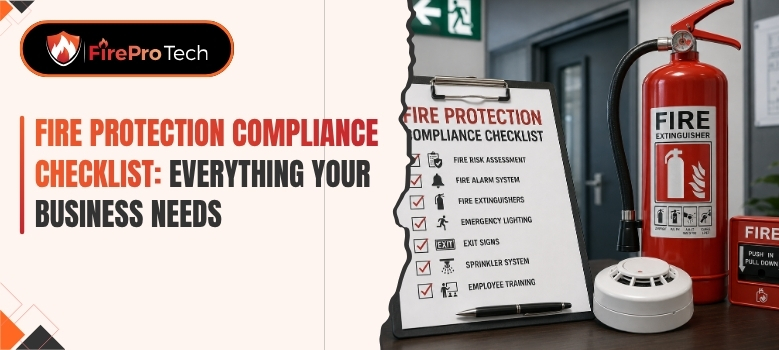
Fire protection compliance checklist planning can help your business find missed inspections, unresolved deficiencies, incomplete records, and system conditions that may affect safety or approval.
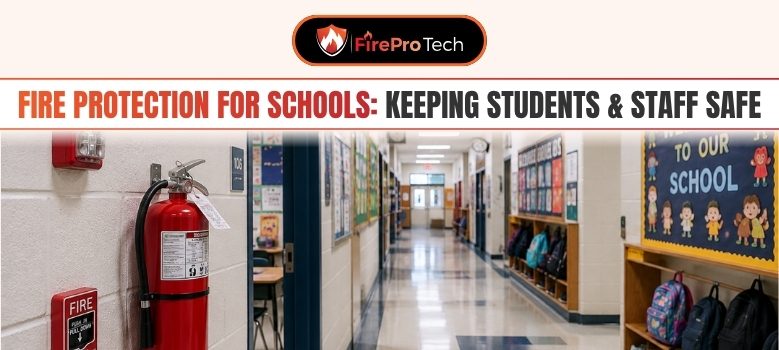
Fire protection for schools is a daily responsibility for administrators, facility managers, and school leaders who must protect students, staff, visitors, and the continuity of education.
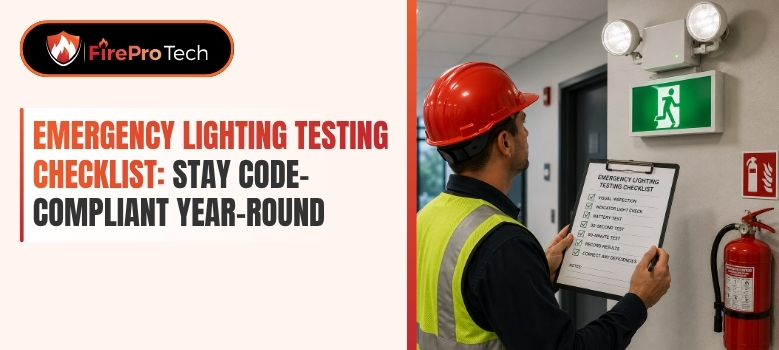
Emergency lighting testing checklist work can become difficult to manage when exit fixtures are spread across several floors, tenant spaces, stairwells, corridors, and exterior discharge paths.