

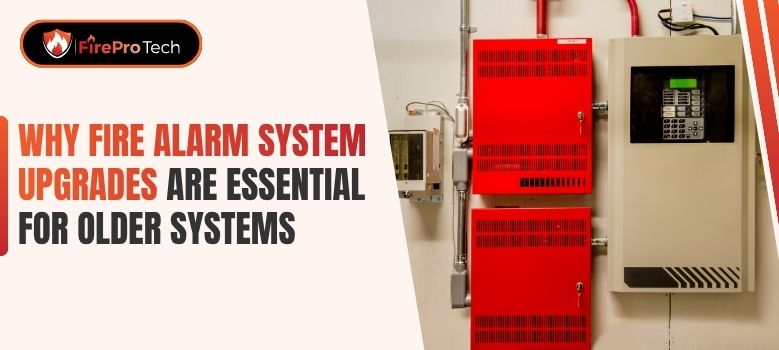
Older facilities often still have a working fire alarm system, but “working” is not the same as “ready for today’s risks, code expectations, and building use.”
Fire alarm system upgrades matter when you need better detection, clearer notification, more reliable monitoring, or a path to compliance without ripping out a system that still has usable parts.
In Houston, that question comes up often for property managers, facility leaders, and business owners responsible for older buildings.
At FirePro Tech, LLC, we see the same pattern: a system may have been acceptable years ago, but renovations, occupancy changes, device failures, or code changes can leave it behind.
This article explains when fire alarm system upgrades make sense, what a modernization project usually involves, how to evaluate the condition of an older system, and how to plan a practical upgrade that supports safety, operations, and long-term reliability.
Older fire alarm systems rarely fail all at once. More often, they become a patchwork of aging panels, outdated devices, limited notification coverage, and hard-to-source parts. Fire alarm system upgrades help close those gaps before an fire inspection services, remodel, or device failure turns a hidden weakness into a larger problem.
A system can drift out of step with the building for several reasons:
A fire alarm system can power up, sound a test signal, and still leave important gaps.
Fire alarm system upgrades may be needed when a panel cannot provide the supervision, annunciation, or event history that today’s maintenance teams need. fire alarm sensitivity testing can also help identify devices that may be drifting out of expected performance, making troubleshooting slower and potentially more expensive.
When a system ages, the concern is not only life safety. It is also business continuity. False alarms can disrupt operations. Trouble signals can create uncertainty. A failed device can delay a repair. The older the system, the more likely those issues become part of the day-to-day reality.
Not every older fire alarm system needs a full replacement. In many commercial buildings, fire alarm system upgrades offer a targeted path that improves performance while preserving usable components. The key is knowing whether the system needs repair, partial modernization, or a broader commercial building fire alarm upgrade.
A routine inspection may uncover issues that point to a bigger project:
Fire alarm system upgrades are often worth considering when the building has changed significantly or when maintaining the old system has become inefficient. That includes older office buildings, retail properties, warehouses, mixed-use spaces, and facilities that have gone through renovations over time.
A fire alarm upgrade for old buildings does not always mean starting over. Sometimes fire alarm system upgrades focus on panels, selected initiating devices, notification appliances, or wiring and supervision issues.
A full replacement is more appropriate when the panel platform is obsolete, the system design is too fragmented, or continual repairs cost more than keeping it.
A successful upgrade starts with a clear assessment, not with a sales pitch or a guess.
The best fire alarm system upgrades account for the building’s use, the condition of the current system, and the operational constraints of the property. That planning is where experienced fire protection contractors add the most value.
Before any work begins, the existing fire alarm system should be reviewed for panel condition, device compatibility, circuit integrity, documentation gaps, and commercial fire alarm monitoring requirements. We also look at how the system is being used today versus how it was originally designed. That comparison often reveals the true scope of the project.
A thoughtful fire alarm code compliance upgrade is not just about swapping equipment. Fire alarm system upgrades should align the system with the building’s actual occupancy, layout, and monitoring needs. Annual fire alarm inspections can also help identify issues and confirm that system components remain properly maintained and ready to perform as intended.
A warehouse, for example, may need a different approach than a multi-tenant office building or a property with frequent tenant turnover.
Commercial properties cannot always shut down without planning. During fire alarm system upgrades, the work process should account for business hours, tenant access, occupant notification, and any temporary fire watch or compensating measures that may be required. The goal is to improve the system without creating unnecessary operational disruption.
A newer panel with poor documentation can still create headaches later. Good upgrade work includes device labeling, updated drawings when needed, programming records, and clear handoff information for the owner or maintenance team. That recordkeeping helps future inspection, testing, and troubleshooting go more smoothly.
One of the biggest reasons property owners pursue fire alarm system upgrades is to reduce uncertainty.
A modernized system is usually easier to inspect, easier to service, and easier to align with current expectations from the authority having jurisdiction. That does not eliminate compliance responsibilities, but it can make them much more manageable.
Older systems can be difficult to verify because of incomplete records, legacy equipment, or outdated configurations. A newer platform often provides better diagnostics, clearer event history, and more predictable maintenance support. That can help during routine inspection, testing, and when questions arise after a tenant change or remodel.
Requirements can vary by location, building type, and scope of work. In Houston and surrounding areas, the authority having jurisdiction may have specific expectations for system changes, testing, permits, or acceptance procedures. Any fire alarm code compliance upgrade should be planned with those local requirements in mind.
A fire alarm system is only valuable if it performs when needed. Fire alarm system upgrades can improve reliability by helping occupants receive faster notification, improving alarm communication, and giving the building team clearer information.
Modernization reduces the chance that a hidden failure, obsolete component, or unclear fault message becomes a real emergency problem.
Replacing selected components now can prevent more expensive emergency work later. That is especially true when older panels are nearing end of support or when repairs require increasingly specialized troubleshooting. A planned upgrade is usually easier to schedule, easier to budget around, and less disruptive than waiting for a failure.
Planning is where a good project becomes a practical one. The right approach to fire alarm system upgrades depends on the condition of the current fire alarm system, the building’s risk profile, and how much downtime the property can tolerate.
A well-planned upgrade keeps the project focused on the actual problem instead of unnecessary work.
Before moving ahead, owners and facility managers should ask:
A system should fit the building as it exists now, but it should also leave room for future changes.
If tenant turnover, expansion, or renovations are likely, the upgrade plan should account for flexibility in programming, zoning, and device coverage. That forward-looking approach can prevent another major project sooner than expected.
For a commercial building fire alarm upgrade, experience matters in the details: existing system evaluation, coordination with inspections, permit awareness, and practical sequencing of work.
FirePro Tech, LLC helps plan fire alarm system upgrades through fire protection services that include inspection, testing, maintenance, installation, and compliance support for commercial properties in Houston.
An upgrade is not the end of the process. Ongoing testing and maintenance are what preserve performance over time. Once the new or modernized system is in place, the owner should have a clear service plan so the same issues do not return in a different form.
Not every older building needs the same level of intervention. The right answer depends on the system’s age, condition, service history, and how the building is used. Decision-makers often benefit from comparing the options side by side before committing to a scope of work.
A simple repair may solve an isolated issue, but it will not fix a system that is broadly outdated. A partial upgrade can be a strong choice when the panel is serviceable but specific components are failing or incompatible.
Full fire alarm system modernization is often the best route when the system is obsolete, unreliable, or too difficult to maintain.
The best option usually depends on a few practical realities:
Two buildings of the same age can need very different solutions. One may only need targeted fire alarm system upgrades for panels and devices.
Another may need a larger redesign because the occupancy changed or the original system was never a good fit for the space. That is why a site-specific evaluation is more useful than a one-size-fits-all answer.
The U.S. Fire Alarm and Detection Market Report by P&S Intelligence provides an in-depth analysis of the industry, segmented by product (fire detectors and fire alarms), technology (wired and wireless systems), application (residential, commercial, industrial, and government/public infrastructure), type (audible alarms, visual alarms, and manual call points), and geographic outlook. The report covers market trends and forecasts for the period 2019–2032.
Fire alarm system upgrades are essential when an older system can no longer support the building’s current needs, code expectations, or maintenance reality. The right project can improve reliability, reduce recurring service issues, and make compliance easier to manage without overcorrecting or replacing more than necessary.
If you manage an older commercial property in Houston, the smartest next step is a careful evaluation of the existing system, its condition, and what the building actually requires today.
FirePro Tech, LLC can help owners and facility teams assess the system, plan a practical upgrade, and support the inspection, testing, maintenance, installation, and compliance work that keeps the building prepared.
Consider fire alarm system upgrades when the panel is obsolete, parts are hard to find, faults keep returning, or the building has changed since the original install. An inspection can show whether repair, partial modernization, or replacement is the better path.
Modernization usually updates specific parts of the fire alarm system, such as the panel, devices, or notification coverage. A full replacement removes the older system and installs a new one when the existing platform is too limited or unreliable.
Often, yes, if the system no longer matches current building use, documentation is incomplete, or local requirements have changed. FirePro Tech, LLC can review the property and explain whether fire alarm system upgrades are needed based on the building, scope of work, and the authority having jurisdiction.
Yes, in many cases the panel can be upgraded while other usable components remain in service. That depends on compatibility, system condition, and whether the existing devices and wiring can support the new equipment.
If repairs are frequent, parts are discontinued, or troubleshooting takes too long, the system may be past the point where repairs are cost-effective. FirePro Tech, LLC can compare repair costs against upgrade options and explain whether fire alarm system upgrades are the smarter long-term choice.
A good upgrade plan should include a condition assessment, code-aware design, coordination with operations, proper documentation, and final testing. It should improve reliability without creating unnecessary downtime or confusion.
It reduces the chance of repeated faults, unsupported parts, and unclear trouble signals. Modernized systems are usually easier to test, service, and monitor, which helps the building team respond faster when issues occur.
FirePro Tech, LLC supports commercial fire protection services in Houston, including installation work tied to fire alarm system upgrades, along with inspection, testing, maintenance, and compliance support. Availability should always be confirmed for the specific project and location.
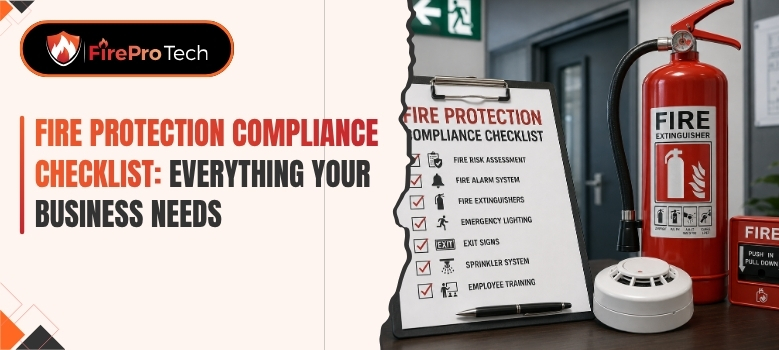
Fire protection compliance checklist planning can help your business find missed inspections, unresolved deficiencies, incomplete records, and system conditions that may affect safety or approval.
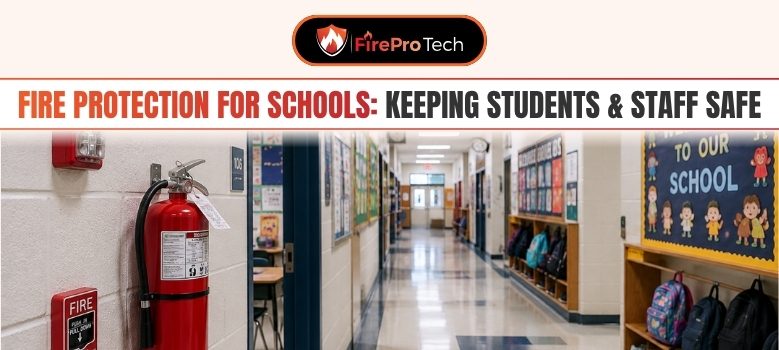
Fire protection for schools is a daily responsibility for administrators, facility managers, and school leaders who must protect students, staff, visitors, and the continuity of education.
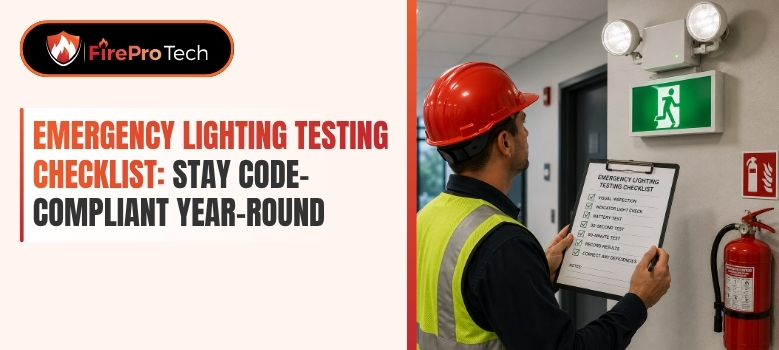
Emergency lighting testing checklist work can become difficult to manage when exit fixtures are spread across several floors, tenant spaces, stairwells, corridors, and exterior discharge paths.