

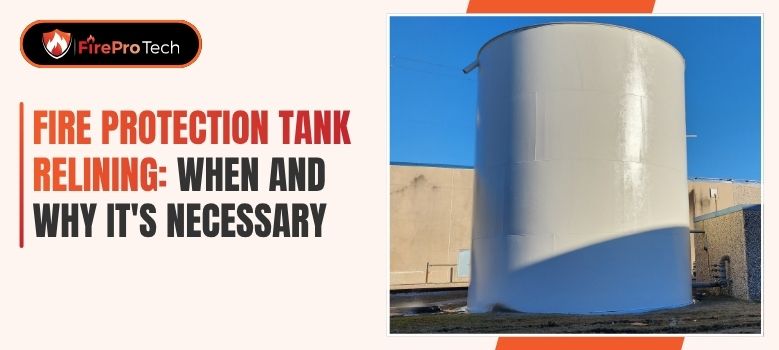
Fire protection tank relining becomes necessary when a storage tank starts showing corrosion, coating failure, or interior deterioration that can compromise water quality and system reliability. For facilities that depend on stored water for fire protection, those warning signs are not cosmetic issues—they are operational risks.
In Houston and other demanding environments, tanks face heat, humidity, condensation, and age-related wear that can accelerate internal damage.
This article explains when relining is the right move, how to spot the warning signs, what the process typically involves, and how relining compares with repair or replacement so you can make a practical decision with fewer surprises.
Fire protection tank relining is usually considered when the tank shell is still structurally sound, but the interior surface has deteriorated enough to threaten performance. In other words, the tank may still be salvageable, but it is no longer in the condition you want for dependable fire water storage. When choosing the best fire protection company, look for a provider with proven experience in tank inspection, relining, repair, and ongoing fire protection system maintenance. A qualified company should understand applicable fire safety requirements, provide clear inspection findings, recommend the most practical solution, and document completed work properly.
For many facility managers, the challenge is separating normal aging from a real maintenance issue. A tank can look acceptable from the outside while corrosion, scale, or coating breakdown is progressing inside. That is why inspections matter.
They help determine whether the tank needs relining, targeted repairs, or a more extensive fix.
Several conditions can point toward fire protection tank relining rather than waiting for a bigger failure:
A tank may still hold water and appear serviceable, but that does not mean it is ready for long-term fire protection use. Once corrosion starts advancing under a failed coating, deterioration can move faster than expected.
Fire protection tank relining at the right time can help preserve the tank body, reduce the chance of emergency work, and support more predictable fire protection services planning.
Relining is useful when the tank structure is fundamentally sound and the main issue is interior surface protection. It is not a cure for severe structural damage, widespread metal loss, or major design problems.
If the shell, floor, supports, or connections are beyond practical repair, fire tank corrosion repair may not be enough and replacement could become the better option.
The practical question most owners face is not whether a tank is old, but whether the current condition creates unacceptable risk. That decision usually depends on inspection findings, system demand, and how critical the tank is to your fire suppression setup.
Accurate field information improves the outcome of fire protection tank relining.
A surface-level review often misses the real issue. Internal access is usually needed to see whether corrosion is isolated, whether the lining is breaking down in a few areas, or whether the damage is widespread enough to affect service life.
A tank may need fire water tank repair or fire protection tank relining if you notice:
A proper fire suppression tank inspection gives you the information needed to decide between cleaning, fire protection tank relining, repair, or replacement. It also helps confirm that the tank is suitable for the specific fire suppression system types it supports. Without that inspection, you are guessing.
With it, you can evaluate the condition of the tank interior, identify the extent of corrosion, and understand whether the existing coating system still has useful life.
In Houston, high humidity and wide temperature swings can be tough on enclosed steel systems. Condensation inside a tank can accelerate coating breakdown, especially if routine maintenance has been delayed.
That is one reason tank relining services Houston facilities rely on should be based on inspection findings rather than a calendar-only approach.
Fire protection tank relining is not just a coating job. It is part of a larger maintenance sequence that should protect the tank, confirm the condition of the substrate, and restore the interior surface in a controlled way.
When done properly, the work is structured to reduce surprises and avoid unnecessary downtime.
Most owners want to know what the process looks like because they need to plan staffing, access, and system availability. The exact sequence varies by tank type and condition, but the basic workflow is usually similar.
A fire protection tank relining project generally includes:
Even a strong lining system will struggle if the underlying surface is not prepared correctly. Residual rust, moisture, or contamination can shorten the life of the new interior.
Good preparation is one of the main differences between a maintenance task that lasts and one that creates another problem a few seasons later.
Fire protection tank relining should not be treated as a one-time rescue job. It works best as part of regular fire protection storage tank maintenance that includes fire inspection services, inspection, cleaning, monitoring, and timely corrective action. That is how owners avoid letting a manageable issue grow into a service interruption.
Not every tank issue should be handled the same way. Some problems can be corrected with localized repair, while others call for a full fire protection tank relining project. In severe cases, replacement may be the only responsible option.
The right answer depends on the tank’s condition, age, construction, and operational importance.
This is where many facility teams benefit from a measured review instead of a rush to the cheapest fix. A lower upfront repair is not always the lowest-risk choice if the tank is already near the end of its useful life.
Industrial fire tank repair is often appropriate when damage is limited to a specific area, such as a fitting, seam, or isolated corrosion point. If the tank structure remains sound and the lining has not failed across the entire interior, targeted repair can be the most efficient option.
Clear records make fire protection tank relining easier to manage over time.
Relining usually makes sense when the tank is still structurally acceptable but the interior coating system has degraded broadly enough that spot repairs would only delay the next problem. In that case, relining can restore the tank’s protective interior layer and extend service life more effectively than patchwork fixes.
Replacement becomes more likely when corrosion has caused significant material loss, the tank has repeated failures, or the internal and structural issues are too extensive for fire protection tank relining to provide a reliable result. A sound decision comes from a real condition assessment, not from age alone.
If the tank body is still in good shape, relining may be worth considering. If the structure is compromised, repair may be temporary at best. If damage is widespread and recurring, replacement may be the safer long-term investment.
Read Also: Why Commercial Fire Protection Services Are Essential
Once relining is identified as the likely solution, the next step is planning. This is where facility managers, property teams, and maintenance coordinators reduce downtime and avoid last-minute issues. A well-planned project runs more smoothly because access, scheduling, and system coordination are handled in advance.
The planning stage also helps clarify expectations. Fire protection tank relining can affect water availability, building operations, and inspection timing, so it should be coordinated with the broader fire protection plan.
Before scheduling, confirm:
Good records help support future maintenance decisions. Photos, inspection findings, repair notes, and fire protection tank relining details make it easier to track service life and recognize when a pattern is developing. That documentation also helps when multiple stakeholders are involved in approving work.
At FirePro Tech, LLC, we often see better outcomes when owners treat relining as part of a broader fire protection services plan rather than a standalone emergency fix. Coordinated planning helps align inspection, maintenance, and corrective work so the tank returns to service in better condition and with fewer unknowns.
A properly relined tank does more than improve appearance. It helps protect the tank walls, support water quality, and reduce the likelihood of corrosion returning immediately after service. For facilities that depend on fire protection storage, that reliability matters because a tank problem can affect the whole suppression strategy.
Planning for fire protection tank relining early can prevent avoidable delays later.
The goal is not simply to repair visible damage. The goal is to restore confidence that the tank can continue doing its job when the system needs it most.
When fire protection tank relining is the right choice, it can help:
For many facilities, a tank issue is not only a maintenance problem. It is an operational risk. If the tank cannot support the fire suppression system as intended, the building may face safety concerns, insurance scrutiny, or business continuity challenges.
That is why fire protection maintenance should be handled proactively rather than reactively. Good coordination keeps fire protection tank relining aligned with the building’s actual needs.
Owners who inspect, repair, and reline at the right time usually have more options than owners who wait until damage is advanced. Even when the final choice is not relining, the inspection process itself often creates a clearer, less expensive path forward.
The Fire Protection System Market was valued at USD 67.35 billion in 2023 and is expected to reach USD 116.17 billion by 2032, expanding at a CAGR of 6.25% during the 2024–2032 forecast period.
Fire protection tank relining is necessary when the interior of a tank has deteriorated enough to threaten performance, but the tank is still structurally worth preserving. The most important step is a proper inspection, because that is what separates a manageable maintenance project from a larger repair or replacement decision.
If your facility is dealing with corrosion, coating failure, or uncertain tank condition, do not rely on appearance alone. Review the tank’s actual condition, compare repair options carefully, and plan the work in a way that supports system reliability.
For Houston facilities and other operations that depend on dependable fire protection services, FirePro Tech, LLC can help evaluate the condition, identify the right corrective path, and support the maintenance work needed to keep the tank ready for service.
Fire protection tank relining is the process of restoring the tank’s interior protective surface after corrosion or coating failure. It helps preserve a structurally sound tank and support reliable water storage.
If damage is localized, fire tank corrosion repair may be enough. If the interior coating is failing across a wider area, relining is often the better long-term option after inspection confirms the tank is still structurally sound.
Common warning signs include rust staining, coating peeling, sediment, leaks, bubbling lining, and moisture-related deterioration. Any of these can justify a fire suppression tank inspection before the problem grows. This detail should be reviewed during fire protection tank relining, not after the work ends.
The right schedule depends on the tank type, environment, and authority requirements. Routine inspections and maintenance should be done consistently, and any concern should be verified against the tank’s actual condition.
Yes, if the tank structure is still in good condition and the main issue is interior coating failure. Relining is intended to extend service life, but it is not a fix for severe structural damage.
The timeline varies by tank size, condition, access, and cure requirements. It is best to plan around the inspection findings and the scope of fire water tank repair needed before relining begins.
Not always, but many repairs and relining projects require controlled downtime for safety and surface preparation. The actual outage depends on the repair scope and how the system is configured.
FirePro Tech, LLC can help evaluate tank condition, coordinate inspection and maintenance needs, and support practical fire protection services planning. That makes it easier to choose between repair, relining, or replacement with confidence.
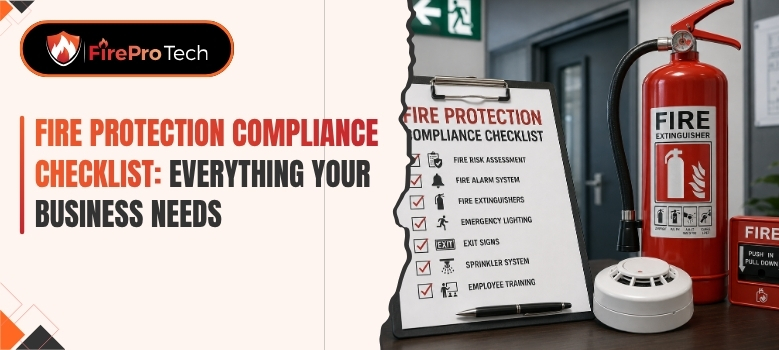
Fire protection compliance checklist planning can help your business find missed inspections, unresolved deficiencies, incomplete records, and system conditions that may affect safety or approval.
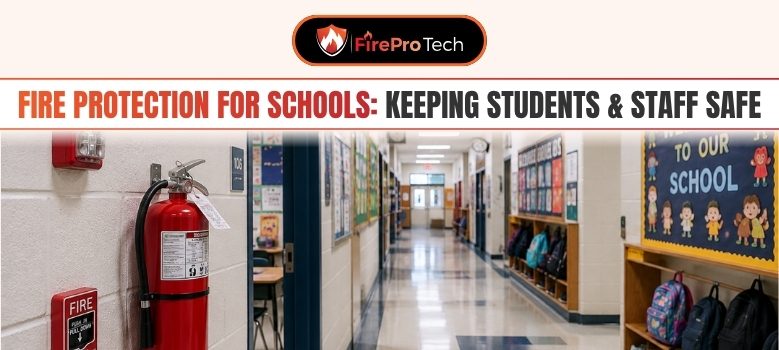
Fire protection for schools is a daily responsibility for administrators, facility managers, and school leaders who must protect students, staff, visitors, and the continuity of education.
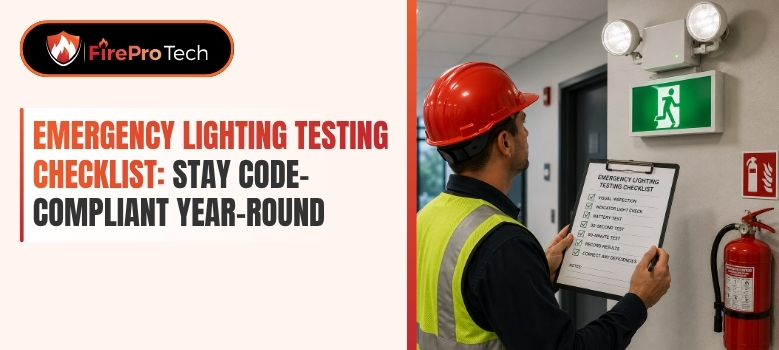
Emergency lighting testing checklist work can become difficult to manage when exit fixtures are spread across several floors, tenant spaces, stairwells, corridors, and exterior discharge paths.