

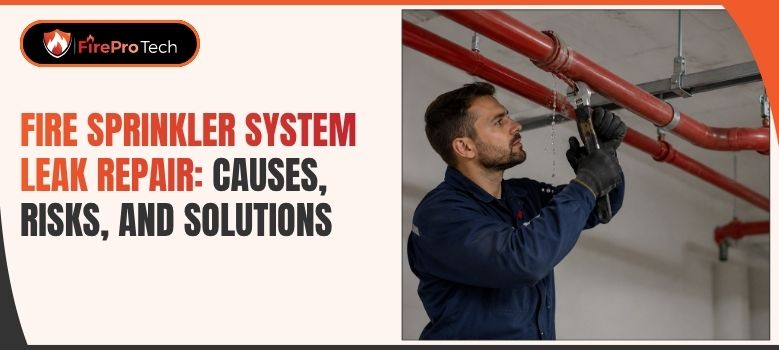
Fire sprinkler system leak repair is something you need to address quickly when you notice water where it should not be, because even a small leak can create downtime, property damage, and compliance concerns.
In commercial buildings, a leak can also point to a deeper issue in the system that needs a trained eye.
This article explains the most common causes of sprinkler leaks, the risks they create, and how a proper repair process works.
You will also learn when a simple fix may be possible, when fire sprinkler pipe fire sprinkler system leak repair is more involved, and why inspection and maintenance matter after the repair is complete.
A leak in a fire sprinkler system is not just a maintenance nuisance. It can be a sign of corrosion, mechanical damage, a failed fitting, freezing conditions, or a problem with a sprinkler head that is no longer sealing correctly.
The earlier you identify the source, the easier it usually is to contain the damage and restore confidence in the system. Qualified support during fire sprinkler system leak repair can reduce repeat work and confusion.
For building owners and facility managers, the challenge is often separating a minor drip from a condition that could affect fire protection reliability. That is why a practical repair plan starts with identification, not guesswork.
Leaks do not always show up as obvious sprays or puddles. Sometimes the first signs are staining on ceiling tiles, moisture around a pipe joint, a damp wall near risers, or a constant drip from a sprinkler head.
This detail should be reviewed during fire sprinkler system leak repair, not after the work ends.
In colder months, you may also notice symptoms that point to a freeze-related issue, while in older systems the problem may be tied to corrosion or worn components. A commercial fire sprinkler leak often develops slowly before it becomes visible.
A slow leak can waste water, damage finishes, and create slip hazards long before it becomes an emergency. More importantly, it can hide a condition that may affect the system’s ability to respond during a fire.
In a business environment, delays also matter because water intrusion can interrupt operations, trigger restoration work, and complicate documentation for insurance or internal safety records. A well-planned approach to fire sprinkler system repair reduces gaps between design and field work.
Most sprinkler leaks can be traced to a limited number of causes, but the repair approach depends on where the leak is happening and how the system is built.
The same visible symptom can have very different root causes, which is why a technician should inspect the system before any parts are replaced. This consideration can affect the scope and success of fire sprinkler system leak repair.
Understanding the common causes helps you ask better questions and avoid quick fixes that do not last.
Corrosion is one of the most common reasons a fire sprinkler pipe leak repair becomes necessary in aging systems. Over time, moisture, trapped air, and environmental conditions can weaken pipe walls, fittings, and threaded connections.
In some systems, internal corrosion may not be visible from the outside until a leak appears. That is why inspection history matters so much when evaluating recurring problems. Planning for fire sprinkler system leak repair early can prevent avoidable delays later.
Leaks often occur at threaded joints, couplings, or valves when fittings loosen, wear out, or were not assembled properly. Vibration, building movement, and age can all contribute to these failures.
If the leak is isolated to a joint or connection, the repair may be straightforward. If the surrounding pipe is weakened, the correction may require more than tightening a fitting. FirePro Tech, LLC can coordinate fire sprinkler system leak repair with related fire protection services.
A sprinkler head leaking fix may be needed when the head itself is damaged, contaminated, or not sealing correctly. Paint, corrosion, physical impact, or manufacturing wear can all affect performance.
Even a small drip from a sprinkler head deserves attention because the head is part of the system’s life-safety function. If the issue is at the head, the solution may involve replacement rather than adjustment. Regular review helps the plan for fire sprinkler system leak repair reflect changing building conditions.
In unheated areas, water in a wet system can freeze and split pipe or fittings. Sudden pressure changes can also stress seals and connections. In warehouses, mechanical rooms, and busy back-of-house spaces, a forklift strike or other impact can create immediate damage.
These causes matter because the repair often needs to address both the damaged component and the conditions that created the failure. The best plan for fire sprinkler system leak repair balances immediate needs with long-term reliability.
The biggest risk of waiting is not just the visible water. Delays can turn a manageable repair into a larger property and operational problem, especially in occupied commercial buildings where even a small leak can affect multiple systems and spaces.
Accurate field information improves the outcome of fire sprinkler system leak repair.
A fast response protects the building, the people in it, and the fire protection system itself.
Water can travel farther than the leak location, affecting ceilings, insulation, electrical components, walls, inventory, and finished surfaces. In an office, retail, healthcare, industrial, or mixed-use setting, that can quickly become a business continuity issue.
A leak can also force temporary shutdowns in sensitive areas, which is why building managers often treat emergency fire sprinkler repair Houston requests as time-sensitive service calls.
A leak may reduce system pressure or reveal a weak point that could worsen under stress. Even if the system still appears to function, the underlying defect may remain unresolved. Careful fire sprinkler system maintenance and preparation for fire sprinkler system leak repair support safer day-to-day operations.
From a safety standpoint, that means the building may be carrying more risk than it appears. In fire protection work, hidden vulnerability is often more dangerous than visible damage.
If a leak affects system integrity, records should reflect what was found, what was repaired, and whether the system was returned to service properly. Annual fire sprinkler inspection records should also be maintained as part of the facility’s ongoing documentation. That documentation can matter during audits, insurance reviews, and future inspections.
A proper fire sprinkler inspection after repair helps confirm that the issue was corrected and that no additional concerns were introduced during the work.
Good fire sprinkler system leak repair starts with finding the exact source, not just the wettest spot. Water often migrates along framing, pipe runs, or ceiling materials, which can make the visible damage misleading.
A careful process reduces repeat callbacks and helps ensure the repair addresses the actual failure point.
Fire sprinkler leak detection usually begins with a visual inspection, pressure review, and tracing the path of the water back to the source. In some cases, a technician may need to open limited ceiling areas or check adjacent piping to isolate the issue.
The final review of fire sprinkler system leak repair should verify both performance and documentation.
That step matters because the leak you can see may not be the leak that started the problem.
Before repair work begins, the affected portion of the system may need to be isolated so the building can stay as protected as possible while the work is completed. The exact approach depends on the system layout, occupancy, and how much of the system is affected.
The findings from fire sprinkler system leak repair should guide the next maintenance decision.
For commercial buildings, the goal is to control the issue without creating unnecessary interruption or leaving the property exposed.
The actual repair can range from replacing a gasket, fitting, or sprinkler head to cutting out a damaged section of pipe and installing a new piece. The right fix depends on the cause and the condition of the surrounding system.
A qualified technician should avoid temporary patches that do not address corrosion, structural weakness, or seal failure. Good coordination keeps fire sprinkler system leak repair aligned with the building’s actual needs.
Once the repair is complete, the system should be tested to confirm that the leak is stopped and the affected area is functioning correctly. In many cases, that means checking for proper pressure, confirming no additional leaks are present, and restoring the system carefully.
A repair is not complete until the system is verified and the issue is documented. During fire sprinkler system leak repair, small details often determine whether the result lasts.
Not every leak is a one-component fix. Some problems reveal broader system concerns that require a larger scope of work, especially in older commercial fire sprinkler systems or buildings that have had repeated moisture issues.
Knowing when repair is not enough can save time and prevent recurring failures. Owners should connect fire sprinkler system leak repair with related inspection and maintenance work.
If leaks keep returning in the same section, the underlying issue may be corrosion, poor piping condition, or an installation problem that has never been fully corrected. Replacing one leaking part may only provide temporary relief.
In that situation, the more practical solution may be a larger section repair or a targeted system upgrade. For Houston facilities, fire sprinkler system leak repair should reflect current occupancy and operating conditions.
Older systems can develop multiple vulnerabilities at once. A single leak may be the first visible sign that other parts of the system are also nearing the end of their useful life.
When that happens, a fire sprinkler system installation or partial replacement project may be worth discussing instead of continuing to patch isolated failures.
Sometimes the fire sprinkler system leak repair is only one part of the job. If water intrusion damaged pipe supports, ceiling components, or nearby equipment, those conditions should be reviewed before the system is returned to normal operation.
That broader review helps prevent a second problem from showing up after the first one is fixed.
The best repair outcome usually comes from working with fire sprinkler companies that understand both the technical side of the system and the operational pressure that building managers face. A leak is not the time for trial and error.
Long-term planning makes fire sprinkler system leak repair more effective than a rushed correction.
You want a team that can evaluate the problem, explain the options clearly, and complete the work in a way that supports safety and continuity.
A dependable service provider should be able to assess the leak source, recommend the right repair method, and help document the work properly. Experience with inspection, testing, maintenance, and installation is important because fire sprinkler system leak repair often overlaps with all four.
You should also expect practical communication about what was found, what was changed, and what follow-up may be needed.
If the system has a recent fire sprinkler inspection record, that information can help narrow the likely cause and show whether the leak is part of a recurring pattern. Prior service notes often reveal whether the issue is isolated or systemic.
That history is especially valuable in commercial buildings where reliability and compliance both matter.
At FirePro Tech, LLC, our work is centered on fire protection services that support safe, reliable building operation, including inspection, testing, maintenance, installation, and compliance-related support where verified by the current service scope. Clear records make fire sprinkler system leak repair easier to manage over time.
For a leak concern, that means we look at the immediate damage and the larger system condition so you can make a practical decision instead of a temporary one.
A good repair should solve the immediate problem, but it should also reduce the chance of the same failure happening again. Prevention is usually less expensive and less disruptive than repeated emergency work. Reliable follow-up after fire sprinkler system leak repair helps prevent the same problem from returning.
This is where maintenance habits, inspection timing, and building conditions really matter.
Routine fire sprinkler inspection and maintenance help identify corrosion, pressure issues, damaged heads, and aging components before they turn into leaks. Skipping those steps often means small issues go unnoticed until water appears on the floor. Consistent communication makes fire sprinkler system leak repair more predictable for everyone involved.
For commercial property teams, a consistent maintenance plan is one of the most effective ways to reduce leak-related disruptions.
Unheated spaces, poorly insulated areas, and zones exposed to vibration or impact need extra attention. In some buildings, the best prevention is as simple as improving temperature control, protecting exposed piping, or rethinking storage near sprinkler components.
These practical steps can make a meaningful difference in long-term reliability.
Discoloration, damp ceilings, unusual pressure changes, and minor drips should never be ignored. Those warning signs often show up before a system failure becomes obvious.
If you address them early, the repair may stay small and the building stays better protected.
The Fire Protection System Market, valued at USD 67.35 billion in 2023, is projected to reach USD 116.17 billion by 2032, growing at a CAGR of 6.25% over the forecast period 2024-2032.
Fire sprinkler system leak repair is about more than stopping water. It is about protecting the building, keeping the system reliable, and avoiding problems that become more expensive the longer they sit.
Whether the issue is corrosion, a failed fitting, a sprinkler head leaking fix, or a more serious commercial fire sprinkler leak, the right response starts with careful leak detection, a proper repair method, and follow-up testing.
If you need help with fire sprinkler pipe leak repair, inspection, maintenance, or related fire protection services in Houston, FirePro Tech, LLC can help you evaluate the issue and move forward with a practical next step.
Common causes include corrosion, loose fittings, damaged sprinkler heads, freezing, and impact damage. The visible drip is not always the real source, so a proper inspection is important before repair.
A sprinkler head leaking fix often means replacement, not repair. If the head is damaged, corroded, painted, or not sealing correctly, replacing it is usually the safer option.
A commercial fire sprinkler leak can lead to water damage, downtime, and reduced system reliability. Even a small leak should be checked quickly so the cause does not spread to other parts of the system. Before scheduling fire sprinkler system leak repair, the team should confirm responsibilities and site conditions.
Document the leak location, protect the area from damage if you can do so safely, and contact a qualified fire protection provider. The next step is fire sprinkler leak detection to find the real source. A practical plan for fire sprinkler system leak repair should include access, timing, and documentation.
Fire sprinkler pipe leak repair may involve replacing a fitting, cutting out damaged pipe, or correcting the section that failed. The right fix depends on the cause, the system age, and the surrounding condition.
Yes, a fire sprinkler inspection after repair helps confirm the leak is stopped and the system is still in proper condition. It also helps document the work for building records and future maintenance. Documenting this point during fire sprinkler system leak repair gives the team a useful service history.
Call for emergency fire sprinkler repair Houston service if the leak is active, spreading, affecting protected areas, or causing noticeable pressure loss or water damage. Fast action helps limit risk and disruption.
If leaks keep returning, corrosion is widespread, or multiple components are failing, a larger scope may be more practical. In some cases, partial upgrades or fire sprinkler system installation work makes more sense than repeated patch repairs.
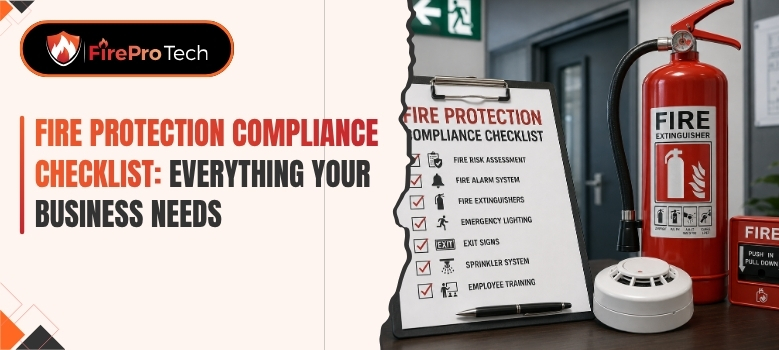
Fire protection compliance checklist planning can help your business find missed inspections, unresolved deficiencies, incomplete records, and system conditions that may affect safety or approval.
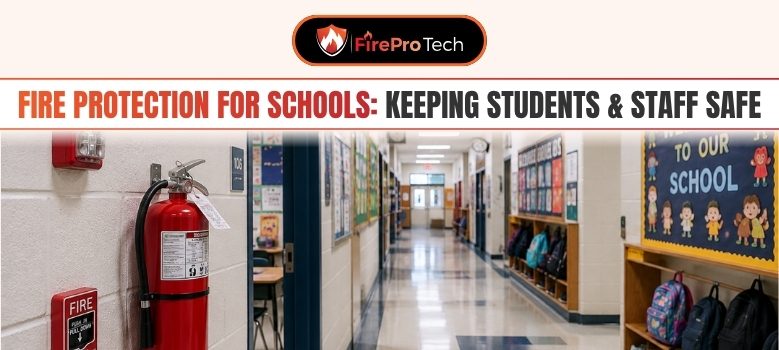
Fire protection for schools is a daily responsibility for administrators, facility managers, and school leaders who must protect students, staff, visitors, and the continuity of education.
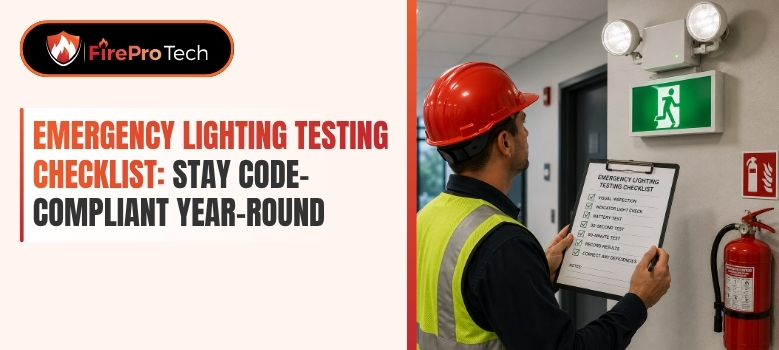
Emergency lighting testing checklist work can become difficult to manage when exit fixtures are spread across several floors, tenant spaces, stairwells, corridors, and exterior discharge paths.