

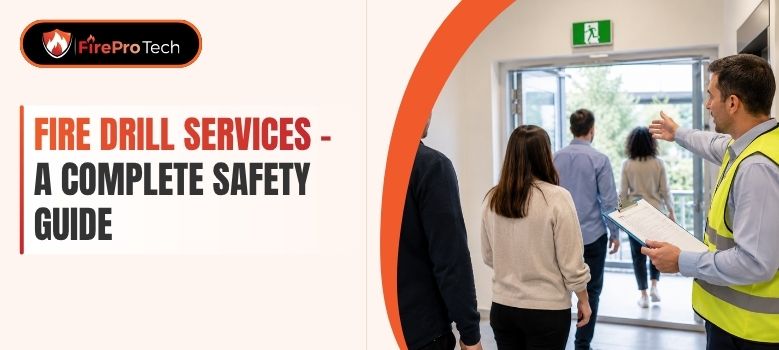
Fire drill services help you turn a basic safety policy into a drill that people can actually follow when the alarm sounds.
If your team has never practiced a real evacuation, or if the last drill felt disorganized, the problem is usually not the alarm itself but the planning, communication, and follow-through behind it.
For Houston businesses and other facilities, that matters because a poorly handled drill can expose gaps in alarm audibility, exit access, staff roles, documentation, and coordination with a fire protection company or facility leadership.
In the sections below, we’ll break down what these services include, why commercial fire protection services are important, how to plan them, what workplace fire drill requirements may apply, and how to use the results to improve safety and readiness.
Fire drill services are designed to help you plan, organize, observe, and improve evacuation drills so they reflect how your building and team operate in real life.
The goal is not just to “check a box.” It is to identify weak points before a real emergency forces people to make split-second decisions.
For many facilities, this support sits between written policy and practical execution. A plan may look complete on paper, but once people are asked to move through actual corridors, stairs, loading areas, or assembly points, new issues show up. That is where structured fire drill services become valuable, especially when they are coordinated with fire sprinkler services to support a more complete approach to workplace fire safety and emergency readiness.
A useful drill starts with the building, not a template. The layout, occupancy type, shift pattern, and daily operations all affect how an evacuation should work. A warehouse, office, school, medical environment, and mixed-use property may need very different drill planning for businesses.
The planning phase usually focuses on timing, occupant groups, exit routes, communication methods, and any conditions that could slow movement.
In a Houston fire evacuation drill, heat, weather, limited outdoor staging space, and traffic around the property can also affect where people gather and how quickly they can be accounted for. Owners should connect fire drill services with related inspection and maintenance work.
A drill only works when people know what they are supposed to do. That includes supervisors, floor wardens, security staff, front desk personnel, and anyone responsible for helping visitors or mobility-impaired occupants.
Clear communication is critical before, during, and after the drill. People need to know whether the drill is announced or unannounced, what sounds or messages they should expect, where they should go, and who confirms when the area is clear.
If a building uses a fire suppression system or fire monitoring services, those systems and procedures should be considered in the plan so the drill does not create avoidable confusion. Good coordination keeps fire drill services aligned with the building’s actual needs.
The most useful drills are watched carefully. Observers look for bottlenecks, delayed responses, blocked exits, people returning for belongings, confusion over alternate routes, and uncertainty about assembly areas.
Good observation is not about blame. It is about gathering accurate information so you can improve the next drill and reduce risk. Fire drill compliance training often becomes more effective when the observations are shared in a practical, non-punitive way.
If a drill is not documented, its value drops quickly. Records should show the date, participants, any issues found, corrective actions, and follow-up steps. This documentation can help with internal safety reviews, insurance expectations, and any compliance-related questions that may arise later.
Before scheduling fire drill services, the team should confirm responsibilities and site conditions.
For facilities that need stronger oversight, working with a fire protection company like FirePro Tech, LLC can help keep the process organized and aligned with your broader fire protection services strategy.
Workplace fire drill requirements are often treated like a routine obligation, but the real value is operational. A drill tells you whether people will respond quickly, move safely, and follow the plan under pressure. That is much harder to confirm from a policy alone.
Clear records make fire drill services easier to manage over time.
Even when a building is compliant on paper, day-to-day conditions can make the actual response weaker than expected. Staff turnover, new tenant layouts, blocked storage, seasonal occupancy changes, and unfamiliar visitors can all affect evacuation performance.
A written emergency plan may describe exits and procedures clearly, but that does not guarantee people remember them. In practice, many teams hesitate, look for direction, or assume someone else will lead.
A fire drill closes that gap. It reveals whether training is working, whether signage is visible, whether doors are accessible, and whether the evacuation route makes sense from the perspective of the people using it.
This is why emergency evacuation fire drill services is so useful for property managers and business owners who need more than a generic checklist.
Many facilities discover the same issues over and over. People may gather too close to the building, ignore assigned assembly points, or take longer routes than necessary because they are uncertain about the nearest exit.
In some cases, staff members do not know who is responsible for checking restrooms, break rooms, or conference areas.
Other common issues include malfunctioning alarms, unclear announcements, poor visibility, and confusion over whether the drill applies to every occupant or only certain areas. These are the kinds of details that improve with repetition, planning, and post-drill review.
A practical plan for fire drill services should include access, timing, and documentation.
A well-run drill gives decision-makers real data. Instead of guessing whether the plan works, you can see where delays happen and where procedures need adjustment. That helps with staffing, training, route planning, and coordination with your overall fire safety services program.
For Houston facilities, this is especially important because local operations often involve diverse building types, high occupancy fluctuations, and complex work schedules. A realistic drill can uncover issues that would otherwise stay hidden until an actual emergency. During fire drill services, small details often determine whether the result lasts.
Planning is where most of the success happens. If the drill is rushed, vague, or unrealistic, the results will be limited no matter how well the evacuation itself goes. The best fire drill planning for businesses starts with a simple question: what do we need this drill to teach us?
A well-planned approach to fire drill services reduces gaps between design and field work.
Every facility has different movement patterns. A single-floor office may evacuate very differently than a multi-tenant property, industrial site, or large commercial building. Occupancy mix matters too, especially if guests, contractors, or temporary workers are present.
It also helps to think through who needs extra support. Some people may need reaching an exit, while others may be responsible for shutting down equipment or securing sensitive areas when that is part of the plan and safe to do so.
Planning for fire drill services early can prevent avoidable delays later.
Not every drill has the same purpose. Some are simple awareness drills that reinforce basic evacuation steps. Others are more detailed and test timing, communication, or the effectiveness of the full emergency response chain.
The level of realism should match the facility’s risk profile and readiness. If a building has recently changed occupancy, altered layouts, or added new equipment, a more thorough drill may be appropriate because older procedures may no longer fit the space.
The best plan for fire drill services balances immediate needs with long-term reliability.
People perform better when they know what is expected. Before the drill, staff should understand the alarm signal, the evacuation route, the assembly point, and any special duties assigned to them.
They should also know what not to do, such as using elevators when they are not part of the approved evacuation plan. The findings from fire drill services should guide the next maintenance decision.
Training does not need to be overly complicated, but it should be specific to your site. Fire drill compliance training works best when it reflects the actual building, not a generic office example.
Timing can change the value of the drill. A test during a quiet period may confirm the basics, but it may not reveal what happens when the building is busy. A drill during normal operations can show a more realistic picture of flow, communication, and accountability.
At the same time, the timing should not create unsafe conditions or interfere with critical operations. The goal is to learn from the drill without introducing unnecessary risk. Accurate field information improves the outcome of fire drill services.
An effective emergency evacuation drill process is structured but practical. It should help the facility run the drill smoothly while still allowing observers to see how people actually behave under pressure.
Before the drill begins, the team should confirm the scope, participants, routes, assembly areas, and any special instructions. If the facility uses announcements or coordination with building systems, those steps should be tested in the right order so the drill reflects real conditions.
A safe, organized plan for fire drill services begins with the existing condition.
This stage is also the time to make sure any observers know what to watch for. A good drill can reveal whether a door sticks, whether signage is confusing, or whether one corridor becomes a bottleneck quickly.
Documenting this point during fire drill services gives the team a useful service history.
Once the alarm or notification begins, the focus shifts to movement, communication, and accountability. People should exit promptly, avoid unnecessary delays, and follow the planned route unless conditions require a change.
Observers may note how long it takes staff to start moving, whether people pause to gather belongings, and whether supervisors are able to direct traffic effectively. These details matter because small delays can add up across a full occupancy.
The assembly area is more than a waiting spot. It is where accountability and communication happen. Staff should be able to confirm who made it out, identify anyone missing, and report problems without causing confusion. This detail should be reviewed during fire drill services, not after the work ends.
If your assembly point is too close to the building, too small, or hard to reach, the drill may show that quickly. That is useful information, even if it means the original plan needs to change.
The review phase is where improvement happens. The team should discuss what went well, what slowed people down, and what needs correction before the next drill. If the drill identified a problem with routes, communication, or documentation, those items should be assigned to specific people with follow-up dates.
This is also where FirePro Tech, LLC can be a helpful support resource for businesses that want their fire protection services to stay organized alongside their drill readiness efforts. Careful preparation for fire drill services supports safer day-to-day operations.
Fire drill compliance training is most effective when it is practical, repeatable, and tied to the actual layout of the building. The point is not to overwhelm people with rules. It is to make sure they know what to do before stress and urgency make decisions harder.
A well-trained team responds faster because the steps feel familiar. They know where to go, who to listen to, and how to help others without creating congestion or confusion. This step keeps fire drill services focused on the real source of the concern.
Every building presents different challenges. A dock area, open office, retail floor, lab, or light industrial space may each require different evacuation habits. The more your training reflects the real environment, the more useful it becomes. Regular review helps the plan for fire drill services reflect changing building conditions.
That also means reviewing updates after changes to layout, tenant mix, alarm devices, or occupancy patterns. A plan that worked last year may not fit the building today.
The biggest problems during drills usually come from predictable habits. People stop to collect personal items, wait for instructions too long, or assume someone else already reported a problem. Training should address those behaviors directly so they do not become routine.
It is also helpful to reinforce simple expectations like staying clear of exits, moving to the correct assembly point, and not reentering the building until authorized. Those basics can make a significant difference during an actual emergency.
The final review of fire drill services should verify both performance and documentation.
A single drill is not enough to build reliable response habits. Training should be part of a larger cycle that includes reminders, refreshers, and updates after building changes or staffing changes.
When teams are prepared this way, drills become less disruptive and more valuable. They shift from being an annual event to being part of a real safety culture.
For Houston businesses, the best value in fire drill services often comes after the drill is over. The findings can guide improvements in evacuation planning, staff training, and coordination with building systems so the next drill is smoother and more effective.
If the drill shows delays, confusion, or route problems, those issues should be folded back into the written plan. The most useful procedures are the ones that reflect reality, not assumptions.
That may mean changing who reports to which area, revising assembly instructions, improving signage, or clarifying supervisor responsibilities. If the building has changed significantly, the entire evacuation plan may need a review. FirePro Tech, LLC can coordinate fire drill services with related fire protection services.
A drill should not be treated as a separate event from the rest of your fire protection strategy. Alarm systems, suppression systems, exit devices, emergency lighting, and staff training all affect how the drill performs.
If one part of the system is weak, the drill will likely expose it. That is helpful because it gives you a chance to address the issue before an emergency puts more people at risk. Qualified support during fire drill services can reduce repeat work and confusion.
Solid records help you show that the drill happened, what was learned, and what corrective actions were taken. For many facilities, that documentation becomes part of a broader risk management file that supports audits, inspections, and internal safety reviews.
It also makes future planning easier. When the next drill comes around, you can compare results and see whether response times, coordination, or communication improved. For Houston facilities, fire drill services should reflect current occupancy and operating conditions.
Some facilities can manage basic drills on their own, but others need outside support because of building complexity, shift schedules, or compliance pressure. A fire protection company with hands-on experience can help structure the drill, observe the process, and turn findings into practical next steps.
That kind of support can be especially useful when the facility has multiple stakeholders, a large occupant load, or different fire suppression system types, such as wet pipe, dry pipe, pre-action, deluge, or clean agent systems, that must be considered as part of the overall response.
Choosing a partner for fire drill services should come down to practicality, not just a polished presentation. You want someone who understands how facilities operate, how people actually respond, and how to turn drill findings into action.
The best partner will understand both fire protection services and day-to-day facility realities. That matters because a drill plan that ignores workflow, staffing, or building use is unlikely to produce useful results.
You want a team that can work with your site conditions, ask the right questions, and recognize when a procedure looks fine on paper but will not work under pressure. Long-term planning makes fire drill services more effective than a rushed correction.
A strong provider should be able to help before, during, and after the drill. That means clarifying objectives, observing the drill without disrupting it, and documenting what happened in a way your team can actually use.
If they only show up to watch the alarm and leave, you may not get the practical value you need. Good should lead to clearer procedures and better readiness the next time around. This consideration can affect the scope and success of fire drill services.
The needs of an office are not the same as those of a warehouse, healthcare setting, or multi-tenant property. The right provider should be comfortable adapting the process to your environment instead of forcing a one-size-fits-all approach.
At FirePro Tech, LLC, we approach fire drill services with that same practical mindset. We focus on helping Houston businesses strengthen evacuation readiness, support compliance efforts, and improve coordination across the systems and people that matter most.
A useful partner may also help you build a post-drill checklist, corrective action log, or drill calendar so the process does not fade after one event. Those tools keep safety work organized and make future planning much easier.
If your goal is real improvement, not just documentation, the follow-up matters as much as the drill itself.
The Fire Protection System Market was valued at USD 67.35 billion in 2023 and is expected to grow to USD 116.17 billion by 2032, representing a CAGR of 6.25% during the 2024–2032 forecast period.
Fire drill services give you a practical way to turn emergency planning into real-world readiness. Instead of hoping people know what to do, you get a structured process that reveals gaps, strengthens training, and improves coordination before an emergency exposes the weak points.
For Houston facilities and other business environments, the biggest benefits usually come from good planning, careful observation, and honest follow-up. When drills are tied to actual operations, workplace fire drill requirements, and the building’s fire protection systems, they become a strong part of your overall safety strategy.
If you need help organizing that process, FirePro Tech, LLC can support your fire protection services planning with a practical, facility-focused approach.
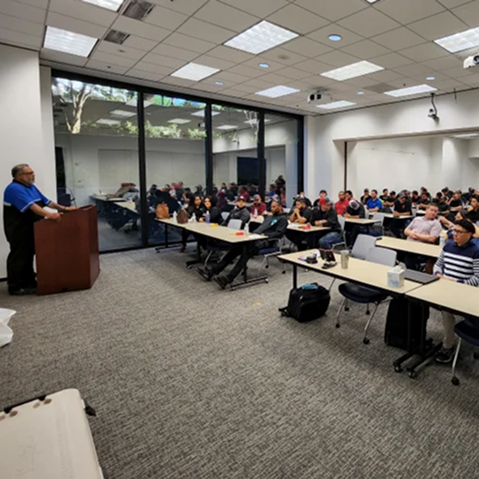
They usually include drill planning, role coordination, observation, documentation, and follow-up recommendations. The goal is to make the evacuation process practical, not just check a compliance box.
That depends on your building type, staffing, occupancy, and local requirements. Many workplaces follow internal schedules set to meet applicable rules and keep evacuation response fresh.
Requirements can vary by occupancy, industry, and authority having jurisdiction. Houston businesses should verify their specific obligations and align drills with site conditions and documentation needs. Facility teams get more value from fire drill services when the process is clearly documented.
Yes, it can help you organize drills in a way that supports OSHA-related preparedness and training efforts. The exact compliance steps still depend on your workplace hazards and policies. Consistent communication makes fire drill services more predictable for everyone involved.
Training teaches people what to do, while a drill tests whether they actually do it under realistic conditions. The strongest programs use both together for better readiness.
A drill run during normal operations usually reveals more than a quiet one. Occupancy, weather, staffing, and building layout can all affect how smoothly people evacuate. Reliable follow-up after fire drill services helps prevent the same problem from returning.
Yes. Layout changes often affect routes, bottlenecks, signage, and assembly areas. Updating the drill plan after a renovation or tenant change is a smart move.
A fire protection company can help connect drill planning to alarms, suppression systems, documentation, and overall readiness. That makes the drill more useful and more accurate.
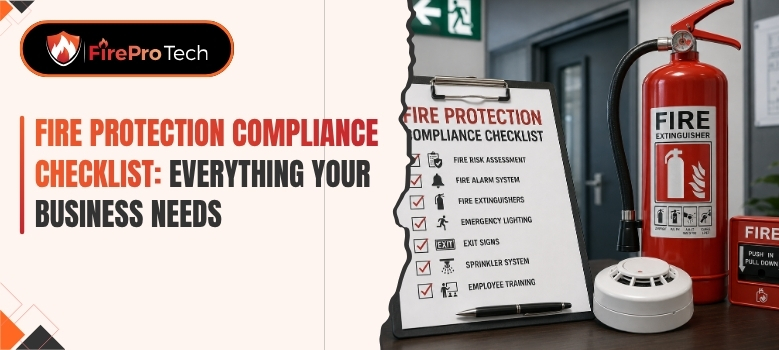
Fire protection compliance checklist planning can help your business find missed inspections, unresolved deficiencies, incomplete records, and system conditions that may affect safety or approval.
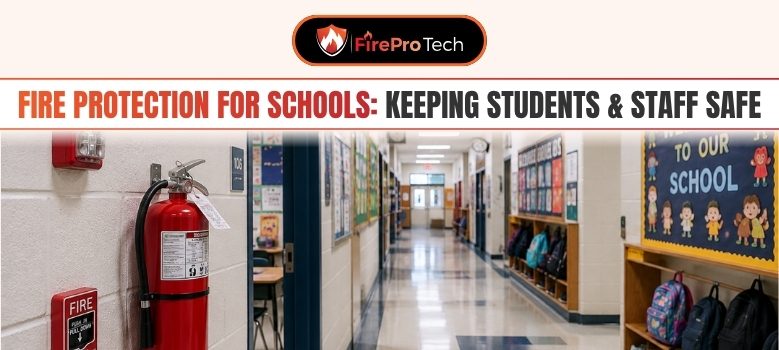
Fire protection for schools is a daily responsibility for administrators, facility managers, and school leaders who must protect students, staff, visitors, and the continuity of education.
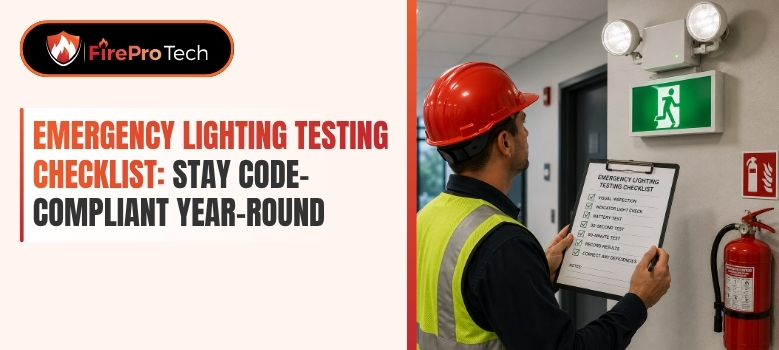
Emergency lighting testing checklist work can become difficult to manage when exit fixtures are spread across several floors, tenant spaces, stairwells, corridors, and exterior discharge paths.