

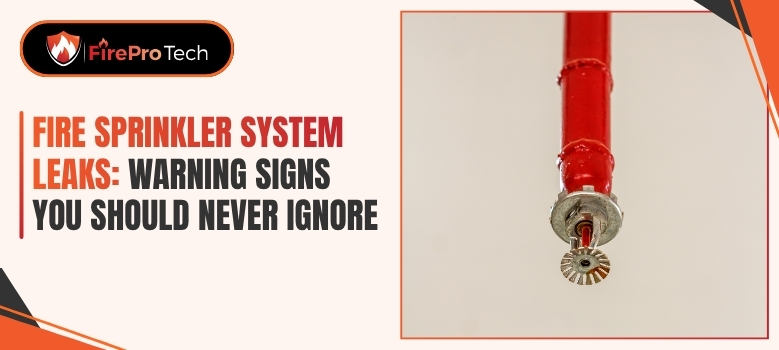
Fire sprinkler system leaks can put a commercial property at risk when a small drip, wet ceiling, or pressure change is treated as a routine plumbing issue.
A sprinkler system is part of the building’s life-safety protection, so the source of the leak matters as much as the water damage it creates.
This guide explains the warning signs to watch for, what commonly causes leaks, what to do when one is discovered, and how professional fire protection services can help businesses in Houston plan a safe response.
It also covers when sprinkler pipe leak repair is needed and how to reduce the chance of recurring problems.
A fire sprinkler system is designed to remain ready until it is needed. Water, pressure, valves, piping, fittings, alarms, and supports all have to work together. When water appears where it should not, the problem may involve more than a damaged ceiling or a wet floor.
It may indicate a condition that affects system reliability, building operations, or both.
A leak does not automatically mean the entire sprinkler system will fail. However, the system should not be assumed to be fully reliable until a qualified professional finds the source and evaluates the condition. Treat this as a warning sign of fire sprinkler system leaks.
The immediate concern is often property damage. Water can affect ceilings, insulation, electrical areas, inventory, equipment, finishes, and tenant spaces. In a commercial building, even a modest leak can interrupt operations or create access and cleanup concerns. Fire Sprinkler System Repair may be needed to address the source of the leak and restore the system properly.
The less visible concern is system impairment. If a leaking fitting, damaged pipe, closed valve, or failed component reduces available water or pressure, the system may not perform as intended during a fire. A repair may also require part of the system to be taken out of service temporarily.
That condition should be managed deliberately rather than discovered during an emergency. This can be an important clue when tracing fire sprinkler system leaks.
A recurring drip deserves attention even when the water volume appears insignificant. Slow leaks can worsen as corrosion progresses, temperatures change, vibration continues, or a fitting becomes more damaged. Treat this as a warning sign of fire sprinkler system leaks.
A drop of water below a sprinkler head is not always coming from the head itself. It may be traveling along the pipe, running down a hanger, forming because of condensation, or coming from a nearby valve, drain, or mechanical system. The visible location is not necessarily the source.
This is one reason patching a ceiling or tightening an accessible fitting without identifying the cause can lead to repeat damage. The correct response begins with tracing the moisture and determining whether the issue involves the sprinkler system or another building system.
Waiting may appear to avoid an immediate service expense, but delaying fire sprinkler system leak repair can increase the scope of damage and make scheduling more difficult. It can also leave building personnel uncertain about whether the fire protection system is fully available. Report this observation when discussing fire sprinkler system leaks.
If the leak is active, growing, near electrical equipment, or associated with an alarm or pressure change, treat it as a priority. FirePro Tech, LLC can help businesses evaluate fire sprinkler concerns through inspection, testing, maintenance, repair, and related fire protection services based on the system and site conditions.
Commercial properties should also keep records of reported leaks, temporary controls, service visits, testing, and completed repairs. Good documentation gives facility teams a clearer history when similar symptoms appear later.
Some warning signs are obvious, while others develop gradually in areas that building occupants rarely inspect. A practical inspection mindset is to look for changes in moisture, corrosion, pressure, alarms, and system appearance. This can be an important clue when tracing fire sprinkler system leaks.
The goal is not for staff to diagnose the system, but to recognize when professional attention is warranted. Report this observation when discussing fire sprinkler system leaks.
The most recognizable warning signs include dripping water, puddles, damp ceiling tiles, bubbling paint, sagging drywall, rust-colored stains, and unexplained moisture near sprinkler piping. Water may appear below a pipe, at a fitting, around a sprinkler head, or in a valve room.
A stain that dries between visits is still worth reporting. Intermittent leaks can occur when pressure changes, a valve is operated, temperatures fluctuate, or a damaged connection shifts. Do not assume the issue is resolved simply because the surface is dry.
Rust, flaking metal, white mineral buildup, or greenish residue around a connection can indicate long-term moisture or corrosion. Corrosion may affect the outside of a pipe or develop internally, depending on the system environment and water conditions. Include this symptom when reporting fire sprinkler system leak repair needs, as identifying corrosion can help technicians assess the underlying cause and determine the appropriate repair approach.
Surface appearance alone cannot determine how much material has been lost or whether the pipe remains suitable for service. A technician should assess the affected area and identify whether the condition is isolated or part of a broader pattern.
An unexpected pressure change can be associated with a leak, a valve position issue, a drained section, a maintenance condition, or another system problem. If gauges show a notable change from the normal operating condition, facility personnel should document what they see and arrange an evaluation.
Gauge readings should not be interpreted without considering the specific system, temperature, water supply, and site configuration. The important warning sign is a change that is unexplained or accompanied by other symptoms. Use this condition to help evaluate fire sprinkler system leaks.
Unusual alarm activity, repeated supervisory signals, or a waterflow indication without a fire event can point to water movement or a system condition requiring investigation. The alarm panel, monitoring company, and responsible building contacts should be handled according to the property’s established procedures.
Do not silence, reset, or bypass equipment repeatedly without understanding why the signal occurred. Repeated resets can make it harder to identify a developing problem and may leave an impairment unrecognized. Keep this detail in the record for fire sprinkler system leaks.
Valve rooms, risers, pump rooms, loading areas, parking garages, and unfinished ceilings often contain sprinkler components that are out of daily view. Moisture around a control valve, drain, test connection, coupling, or pipe support should be reported even if the surrounding area appears otherwise clean.
Facility teams can improve early detection by including these locations in routine walkthroughs. Look for new water marks, corrosion, damp insulation, unusual odors, or changes in housekeeping conditions. A simple observation log can help technicians understand when the symptom began and whether it changes with weather or building activity.
Use this condition to help evaluate fire sprinkler system leaks.
Finding the warning sign is only the first step. The next question is why the leak occurred. The cause affects the repair approach, the possibility of additional damage, and the maintenance decisions that follow. Annual fire sprinkler inspection can help identify developing issues and support timely maintenance decisions. Several causes can produce similar symptoms, so visual inspection alone may not be enough.
Use this condition to help evaluate fire sprinkler system leaks.
Corrosion can weaken sprinkler piping, fittings, and components over time. Conditions inside the pipe, trapped water, environmental exposure, incompatible materials, and system history may all be relevant. A leak at one point can be the first visible indication of a larger condition, particularly when other areas show similar corrosion.
Replacing one damaged section may be appropriate, but the technician should also consider whether the surrounding piping and fittings need additional evaluation. The right scope depends on the observed condition, system design, access, and applicable requirements. Document this condition when evaluating fire sprinkler system leaks.
Water-filled piping exposed to freezing temperatures can split or crack. This risk may exist in unconditioned spaces, exterior walls, loading areas, attics, parking structures, or locations affected by a failed heater or open building envelope. Treat this as a warning sign of fire sprinkler system leaks.
A pipe may not leak until temperatures rise or pressure returns. After a cold-weather event, a delayed leak should not be dismissed as unrelated. Houston generally experiences a warmer climate than many regions, but short periods of freezing weather can still affect vulnerable areas and unprotected building spaces.
Piping can be struck by lifts, stored materials, construction activity, vehicles, or other equipment. Repeated vibration from nearby machinery or changes to the building can also stress joints and supports. Include this symptom when reporting fire sprinkler system leaks.
A sprinkler component that appears slightly displaced, bent, or unsupported should be evaluated. Moving the pipe back into place without correcting the underlying impact or support issue can create additional damage.
Leaks may develop at threaded connections, grooved couplings, valves, drains, flexible connections, or other fittings. The cause could involve deterioration, installation-related issues, movement, seal failure, or a component that has reached the end of its serviceable condition. Treat this as a warning sign of fire sprinkler system leaks.
The correct repair is not always a matter of tightening the connection. Over-tightening can damage components, and working on a pressurized system without proper controls creates unnecessary risk. Sprinkler pipe leak repair should be performed by personnel familiar with the system and the required impairment procedures.
Not every wet pipe is a sprinkler leak. Condensation, roof intrusion, plumbing, HVAC drainage, and washdown water can create similar marks. These conditions still deserve attention because persistent moisture can promote corrosion and damage finishes. Document this condition when evaluating fire sprinkler system leaks.
A professional evaluation should distinguish the source before repair work begins. This prevents a property owner from paying to address the wrong component while the actual problem continues.
Ceiling work, tenant improvements, equipment installation, racking changes, and mechanical modifications can affect sprinkler piping, clearances, supports, or access. A system may continue to operate while becoming more difficult to inspect or more vulnerable to impact. Include this symptom when reporting fire sprinkler system leaks.
Before construction starts, coordinate with the responsible fire protection professional and other project parties. After work is complete, the system may need inspection, testing, documentation, or installation changes depending on the scope and authority having jurisdiction.
A leaking sprinkler system is therefore both a repair issue and a system-history issue. The cause should be recorded so future maintenance decisions are based on more than the latest symptom. Use this condition to help evaluate fire sprinkler system leaks.
The safest response depends on the leak’s location, size, effect on the building, and relationship to the fire protection system. Employees should not be expected to perform technical diagnosis or make unauthorized changes to valves.
Their role is to recognize the condition, protect people, preserve information, and activate the property’s response process.
If water is near electrical equipment, elevators, energized machinery, stored chemicals, or areas where slipping is likely, restrict access and follow the property’s emergency procedures. Protect movable contents only when doing so is safe. Professional review of fire sprinkler system leaks should consider this issue.
If the leak is substantial, contact the appropriate emergency or building response resources without waiting for routine scheduling.
Notify the building owner, property manager, facility lead, monitoring contact, and other designated parties according to the site plan. Record when the leak was found, where it was seen, whether it is increasing, and whether an alarm or pressure change occurred.
Photographs can help document the condition, but staff should not enter unsafe areas to obtain them. This can be an important clue when tracing fire sprinkler system leaks.
Closing a sprinkler control valve may stop water, but it also may disable fire protection for part or all of a building. Valve operation, system shutdown, notification, temporary protection, and restoration should follow the property’s impairment plan and be coordinated with qualified personnel.
If a valve has already been closed, do not assume the system has been restored because the leak stopped. The valve position, system pressure, alarm condition, and required testing should be verified before the system is considered available. Document this condition when evaluating fire sprinkler system leaks.
When contacting a fire protection company, provide the system type if known, the location of the symptom, whether water is actively flowing, recent construction or temperature events, and any alarm or gauge information. This helps the service team prepare for the evaluation.
Depending on the findings, the work may involve inspection, testing, maintenance, component replacement, sprinkler pipe leak repair, or installation-related corrections. A repair quote should be based on the actual condition and access requirements rather than an assumption that every leak has the same solution.
Commercial repairs may affect tenant access, warehouse activity, production schedules, parking areas, ceilings, or monitoring arrangements. Ask what areas need access, what equipment must be protected, what system impairment is expected, and what documentation will be provided after the work. Use this condition to help evaluate fire sprinkler system leaks.
Exact requirements can vary by system, building use, jurisdiction, and the authority having jurisdiction. FirePro Tech, LLC can help Houston-area businesses coordinate inspection, testing, maintenance, and repair needs with practical attention to safety and operational continuity. Document this condition when evaluating fire sprinkler system leaks.
After repair, the responsible team should verify that the affected condition has been corrected and that the system has been returned to its intended operating state. Depending on the work, this may include testing, alarm verification, valve checks, updated records, and notification to relevant parties.
Keep the service report with the property’s fire protection records. If the cause involved freezing, impact, corrosion, or construction activity, assign follow-up actions so the same condition is less likely to recur. Include this symptom when reporting fire sprinkler system leaks.
Repairing the immediate leak is important, but a reliable program also looks for conditions that can cause the next one. Prevention is not a promise that leaks will never occur. It is a disciplined way to identify deterioration, protect system components, and keep documentation current.
Inspection and testing activities help identify visible damage, obstructed access, valve concerns, alarm issues, corrosion indicators, and other conditions before they become urgent. The appropriate frequency and scope depend on the system, building, equipment, jurisdiction, and applicable standards or instructions. Fire Sprinkler Inspection in Houston can help identify potential issues and support proper system maintenance.
Professional review of fire sprinkler system leaks should consider this issue.
Use a written schedule that identifies responsible personnel, service providers, open deficiencies, due dates, and restoration status. A report that sits unresolved is not a completed maintenance program. Facility managers should understand which findings require immediate action and which need planned correction.
Review areas where forklifts, carts, vehicles, contractors, or stored materials could contact sprinkler piping. Maintain clear access around valves and risers, and avoid using sprinkler pipe or hangers to support unrelated equipment. Changes to storage, partitions, ceilings, or machinery should be reviewed for possible effects on the system.
Inspect vulnerable areas before and after unusual weather. Check whether heaters, insulation, doors, louvers, and building envelopes are functioning as intended in spaces containing water-filled piping. Even a short cold period can expose a weakness that was not apparent during normal conditions.
Keep this detail in the record for fire sprinkler system leaks.
One rusty fitting may be isolated, or it may be part of a broader environmental or system condition. Look for repeated staining, pipe scale, wet areas, standing water, damaged coatings, and locations where moisture remains after a leak has been corrected.
Do not paint, wrap, drill, or alter sprinkler piping as a do-it-yourself solution. Unapproved modifications can conceal deterioration, interfere with inspection, or create another problem. Have a qualified professional evaluate the condition and explain the practical repair options. Report this observation when discussing fire sprinkler system leaks.
A good record includes inspection reports, testing results, repair documentation, valve information, system drawings when available, construction changes, and notes about recurring symptoms. This information saves time when a technician must determine whether a new leak is isolated or connected to an earlier issue.
Property managers with multiple sites should use a consistent reporting process. Comparing recurring findings across buildings can reveal problems with access, environmental exposure, contractor coordination, or scheduling. Keep this detail in the record for fire sprinkler system leaks.
When looking for fire protection services near me, a business should evaluate more than response language or proximity. Ask whether the provider understands commercial sprinkler systems, can document findings clearly, coordinates system impairments, and offers the inspection, testing, maintenance, installation, or repair support the property actually needs.
For a Houston facility, local familiarity can help with scheduling and communication, but the most important decision is whether the provider can evaluate the system condition and explain the next step without overstating what is known. Keep this detail in the record for fire sprinkler system leaks.
FirePro Tech, LLC approaches fire protection services as an ongoing reliability and compliance-support responsibility, not simply a one-time water cleanup issue.
The global Fire Sprinkler Systems market was valued at USD 13.69 billion in 2025 and is projected to grow at a compound annual growth rate (CAGR) of 8.20% from 2026 to 2032. By 2032, the market is expected to reach approximately USD 23.76 billion, driven by increasing fire safety regulations, infrastructure development, and growing demand for advanced fire protection systems.
Fire sprinkler system leaks should never be dismissed because they begin as a slow drip or a small stain. Visible moisture, corrosion, pressure changes, alarm activity, damaged fittings, and water around valves can all justify prompt evaluation.
The source may be a sprinkler component, piping, condensation, or another building system, and identifying it correctly is essential to choosing the right response.
For commercial properties, the goal is more than stopping water. It is protecting people and property, reducing operational disruption, maintaining a reliable fire protection system, and documenting any impairment and restoration.
Regular inspection, testing, maintenance, and timely sprinkler pipe leak repair can help facility teams respond before a manageable condition becomes a larger failure.
If your Houston business has a leaking sprinkler system or needs help planning corrective work, FirePro Tech, LLC can support the evaluation through relevant fire protection services. Contact the team with the location, symptoms, and urgency so the next step can be planned around the building and its system.

Common signs include dripping water, wet ceiling tiles, rust stains, corrosion, mineral deposits, pressure changes, repeated alarms, or moisture around sprinkler valves, drains, and piping.
Yes. A small leak can worsen, damage building materials, and indicate corrosion or component failure. It may also require part of the fire protection system to be taken out of service.
Protect people from unsafe areas, notify responsible building contacts, document the location and symptoms, and contact a qualified fire protection provider. Do not close valves unless authorized and coordinated.
A technician first identifies the source and evaluates the affected system. The repair may involve replacing damaged pipe or fittings, testing the system, verifying restoration, and documenting the completed work. Report this observation when discussing fire sprinkler system leaks.
Yes. Condensation, roof intrusion, plumbing, or HVAC drainage can resemble a sprinkler leak. The moisture source should be confirmed before repairs are selected or the ceiling is patched.
Request service promptly for active dripping, unexplained pressure changes, corrosion, alarm activity, impact damage, or water near valves and piping. Urgent conditions may require immediate building response. Professional review of fire sprinkler system leaks should consider this issue.
Maintain organized inspection, testing, and maintenance records; protect piping from impact and freezing; keep valves accessible; coordinate construction changes; and correct corrosion or damaged supports.
Look for a provider experienced with commercial sprinkler systems that can evaluate the cause, coordinate impairments, complete appropriate repairs, test restoration, and explain documentation and follow-up needs.
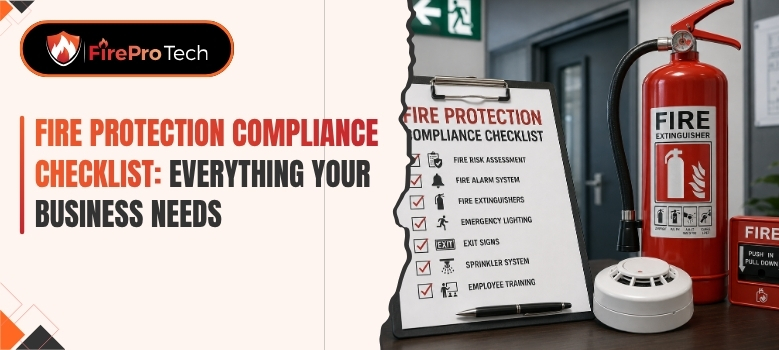
Fire protection compliance checklist planning can help your business find missed inspections, unresolved deficiencies, incomplete records, and system conditions that may affect safety or approval.
Fire protection for schools is a daily responsibility for administrators, facility managers, and school leaders who must protect students, staff, visitors, and the continuity of education.
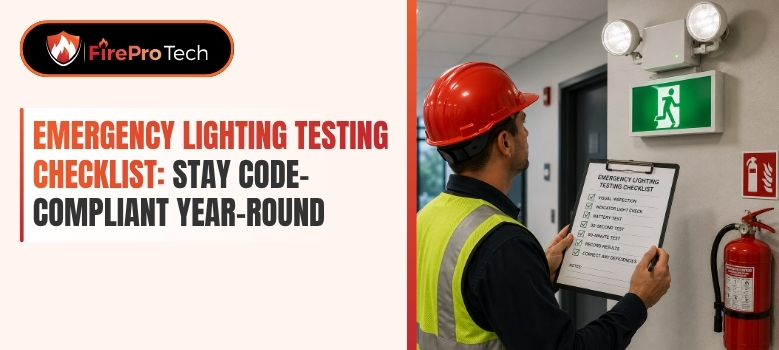
Emergency lighting testing checklist work can become difficult to manage when exit fixtures are spread across several floors, tenant spaces, stairwells, corridors, and exterior discharge paths.