

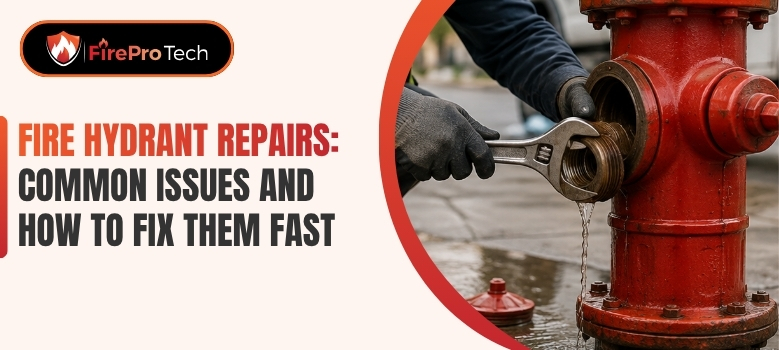
Fire hydrant repairs become urgent when a hydrant leaks, will not open, has poor flow, or appears damaged before an inspection or emergency. For a business or property manager, the challenge is fixing the problem quickly without creating a larger issue with the underground water supply or fire protection system.
This guide explains the most common hydrant failures, how a professional repair company evaluates them, what private fire hydrant repair may involve, and which factors influence fire hydrant repair cost. It also outlines practical steps for keeping repairs organized and your Houston property prepared.
A fire hydrant can look serviceable from a distance while having a mechanical or underground problem that affects its reliability.
Small signs such as corrosion, a slow drip, or a missing cap deserve attention because hydrants are expected to operate when responders need them, not only when they pass a visual review. Review this point before completing fire hydrant repairs.
Water around the base of a hydrant may indicate a damaged drain, barrel section, flange, gasket, or underground connection. Water leaking from a nozzle or cap can point to a worn gasket, damaged threads, or a valve that is not fully closing. Fire Hydrant Flow Testing can help assess water flow and pressure and identify potential performance concerns.
A leak does not always identify the failed part, so tightening fittings without testing can mask the symptom while leaving the underlying problem in place. Make this check part of fire hydrant repairs.
A steady leak can also erode soil around the hydrant, weaken the surrounding pavement, or create an icing and slip hazard during colder weather. In a commercial setting, it may eventually affect the water supply or create a maintenance record that needs to be explained during an inspection.
A hydrant that is hard to open may have a damaged operating stem, corrosion, internal obstruction, poor lubrication, or a valve problem below grade. Excessive force is not a reliable repair method. Review this point before completing fire hydrant repairs.
It can bend the stem, damage the operating nut, or turn a manageable maintenance issue into a more extensive repair.
A broken fire hydrant repair may involve replacing or repairing the operating mechanism, bonnet, stem, seat, or another component. The correct approach depends on the hydrant design and the result of the inspection. Review this point before completing fire hydrant repairs.
Low flow can result from a partially closed control valve, obstruction, damaged internal components, a blocked outlet, an underground leak, or a restriction elsewhere in the supply. It can also be influenced by the available water supply and the configuration of the private fire protection system.
Because flow problems can have several causes, replacing the hydrant without checking the supply path may not solve the issue. A qualified technician should evaluate the hydrant and related components before recommending a repair. Keep this condition visible during fire hydrant repairs.
Missing or damaged caps expose outlets to debris and can make the hydrant difficult to connect to during an emergency. Cross-threaded caps, worn gaskets, and damaged nozzle threads may cause leaks or prevent a secure connection.
These components may be repairable, but the technician should confirm that the outlet and body are not also damaged. Include this check when planning fire hydrant repairs.
Vehicle strikes, construction activity, settlement, and repeated exposure to moisture can affect the hydrant body, flange, riser, and underground piping. A hydrant that is leaning, surrounded by disturbed soil, or visibly cracked should be treated as a potential reliability and safety concern.
The faster a suspected failure is reported, the more options may remain available. Waiting can allow water loss, soil movement, corrosion, or access problems to spread beyond the original component. Document this issue as part of fire hydrant repairs.
Fast service does not mean skipping diagnosis. The most efficient repair is usually the one based on accurate information about the hydrant model, failure location, water supply, site access, and operational impact.
A professional assessment helps prevent unnecessary excavation and reduces the risk of repairing one component while another fault remains. Keep this condition visible during fire hydrant repairs.
The inspection normally begins with the hydrant’s exterior condition and surrounding area. The technician may look for leaks, missing parts, impact damage, corrosion, obstructions, settlement, and signs that the hydrant has been altered or struck.
Operating resistance, cap condition, and apparent valve position can provide useful clues, but they should be evaluated carefully. Track this detail through fire hydrant repairs.
The area around the hydrant matters as much as the hydrant itself. Landscaping, parked vehicles, temporary fencing, stored materials, or construction barriers can limit access for inspection and emergency response. A repair plan should account for both mechanical reliability and practical accessibility.
A hydrant may be blamed for low flow when the actual issue is a control valve, underground piping, obstruction, or water supply condition. Conversely, a hydrant that opens normally may still have a damaged seat or internal passage that limits performance.
This distinction is important for private fire hydrants connected to a site fire line. The technician may need to review available records, identify related valves, and coordinate any required shutdown before work begins. The exact testing and repair steps vary by hydrant type, system design, condition, and local requirements.
Track this detail through fire hydrant repairs.
A useful repair assessment should clarify what is known, what still needs to be verified, and what access or shutdown conditions could affect the work. Depending on the situation, the scope may involve an aboveground component, a valve or stem, a connection, an underground section, or a combination of parts.
Property managers should also ask how the hydrant will be documented after repair. A clear service record can help explain the issue, work performed, parts addressed, testing completed, and any remaining recommendation.
That information is valuable when multiple teams manage the same property or when an inspection report must be closed out. Use fire hydrant repairs to resolve and document this issue.
Several shortcuts create avoidable risk. Painting over corrosion does not restore structural condition. Forcing a stuck operating nut can damage internal parts. Replacing a cap without checking the outlet can leave damaged threads in service. Excavating before confirming the likely failure can add cost and disruption without improving the diagnosis.
At FirePro Tech, LLC, a practical repair process should connect the observed symptom to the likely cause, the required work, and the verification step after completion. That approach is more useful than treating every hydrant issue as the same repair.
Once the problem is identified, speed depends on preparation and coordination. A repair can be delayed by blocked access, an unknown water shutoff, incomplete site records, or the need to coordinate with building operations. Preparing those details early helps the work proceed with fewer surprises.
Hydrant work may require access to the hydrant, nearby valves, underground piping, or areas that are normally occupied by vehicles and equipment.
If the water supply must be isolated, the responsible property contact should understand what portions of the fire protection system may be affected and how the shutdown will be managed. Track this detail through fire hydrant repairs.
Shutdown planning should not be treated as a casual plumbing step. Fire protection systems require careful coordination, communication, and restoration. The appropriate notifications, impairment procedures, and authority having jurisdiction involvement may vary according to the system, property, local authority, and nature of the work.
The actual work may include replacing a gasket, cap, operating component, valve-related part, damaged section, or connection. Some repairs can be completed with limited disruption. Others may require excavation, removal of damaged material, or restoration of the surrounding surface. Document this issue as part of fire hydrant repairs.
Private fire hydrant repair is especially dependent on the installed equipment and site layout. A technician should confirm compatibility and condition rather than assume that a generic part or adjustment will provide a dependable result.
After repair, the hydrant and related work should be checked to confirm that the original problem has been addressed. Depending on the scope, verification may involve checking for leaks, operating the hydrant, confirming cap and outlet condition, and evaluating flow or related system performance where applicable.
Restoration also includes returning valves to their proper condition, removing work-area hazards, and documenting any limitations or follow-up recommendations. A hydrant should not simply be left in an assumed ready state because a component was replaced. Use fire hydrant repairs to resolve and document this issue.
A service record should be retained with the property’s fire protection documentation. Useful information can include the date, hydrant identification, reported symptom, inspection findings, work performed, testing or verification completed, and any additional work recommended. Include this check when planning fire hydrant repairs.
Records help facility teams track recurring problems and plan maintenance before an emergency. They also provide context when an inspector, fire official, owner, tenant, or contractor asks why a hydrant was taken out of service or what was done to restore it.
For a commercial or industrial property, the repair plan should consider loading areas, tenant access, traffic routes, deliveries, security requirements, and the possibility of excavation. A technically correct repair can still create operational problems if the work area is not coordinated with the people using the site.
Include this check when planning fire hydrant repairs.
Our team at FirePro Tech, LLC can help property decision-makers organize fire protection services around the condition of the equipment and the practical needs of the facility. The scope should be confirmed for each property rather than assumed from a general description of the problem.
Fire hydrant repair cost cannot be determined reliably from the symptom alone. A leaking cap may require a relatively focused repair, while a damaged underground connection or hydrant affected by a vehicle impact may require more labor, excavation, restoration, and coordination.
A responsible quote or estimate should reflect the known scope and identify conditions that could change it. Use fire hydrant repairs to resolve and document this issue.
The main cost factors usually include the failed component, hydrant type, labor access, need for water isolation, excavation requirements, underground conditions, traffic or site controls, replacement material, testing, and surface restoration. Local conditions in Houston and surrounding areas can also affect access and scheduling, particularly on active commercial sites.
A useful estimate should distinguish between visible repair work and uncertain conditions that cannot be confirmed until access is available. Ask whether excavation, additional damage, or related valve work would be handled as a separate scope if discovered. Make this check part of fire hydrant repairs.
Public hydrants and private hydrants may be managed by different parties and subject to different maintenance responsibilities. A private hydrant is generally part of a property’s fire protection arrangement, so ownership records, site plans, control valves, inspection history, and communication procedures are important.
Before scheduling work, confirm who authorizes the repair, who coordinates access, who receives the service documentation, and whether the property has a required impairment or notification process. Requirements can vary by jurisdiction, system, building use, and authority having jurisdiction, so they should be verified for the specific site.
A hydrant issue may justify looking beyond the individual assembly when there are repeated leaks, unexplained low flow, damaged underground piping, inaccessible valves, recurring impact, or a history of incomplete records. Repairing the immediate symptom may be appropriate, but a broader review can help identify why the problem keeps returning.
Address this condition during fire hydrant repairs.
This is also a good time to review whether hydrants are clearly identified, unobstructed, and included in the facility’s inspection and maintenance planning. Fire hydrant services are most effective when they support a repeatable program instead of reacting to isolated failures.
Have the property address, hydrant location, photos, recent inspection findings, known leaks, access limitations, site contact, and available system drawings ready when requesting service. Explain whether the hydrant is completely inoperable, leaking, difficult to operate, damaged by impact, or showing reduced performance.
Do not attempt to disassemble the hydrant or operate a questionable valve repeatedly just to gather more information. A photo and clear description are helpful; unsafe manipulation can worsen the damage or create an unexpected water release. Address this condition during fire hydrant repairs.
Treat a hydrant as urgent when it is visibly broken, cannot be operated, leaks significantly, is obstructed, has been struck, or may not provide the expected connection for emergency use. If the condition affects a fire protection system, coordinate the response and any required notifications promptly.
FirePro Tech, LLC provides fire protection services for inspection, testing, maintenance, installation, and related compliance needs where applicable to the property and requested scope. Availability and service details should be confirmed directly for your location and system. Document this issue as part of fire hydrant repairs.
Repairing a hydrant restores an immediate concern, but prevention depends on what happens afterward. A small maintenance program can help facility teams identify deterioration, protect access, and keep records current instead of waiting for a failure during an inspection or emergency.
Do not allow vehicles, stored materials, landscaping, temporary structures, or construction activity to block the hydrant or its operating area. Access concerns should be addressed as part of routine site walks, especially when parking layouts, tenants, or construction phases change.
Visibility also helps responders and service technicians locate the correct hydrant quickly. Marking and access practices should be consistent with the property’s design, local expectations, and applicable direction from the authority having jurisdiction. Keep this condition visible during fire hydrant repairs.
Facility staff should report new leaks, corrosion, missing caps, damaged threads, leaning assemblies, unusual operating resistance, disturbed soil, or changes in drainage around the hydrant. These observations do not replace professional testing, but they help identify problems before they become disruptive.
Recurring issues deserve additional attention. For example, repeated leakage after a cap replacement may suggest a damaged outlet or internal problem rather than a defective cap alone.
Hydrant repair should fit into the property’s broader inspection, testing, and maintenance schedule. If an inspection identifies a deficiency, ask what must be corrected, how the correction will be verified, and what documentation should be retained. Address this condition during fire hydrant repairs.
If a repair is performed before a scheduled inspection, keep the completed service record available for review.
The exact frequency and scope of inspection or testing may depend on the system, local requirements, equipment condition, and authority having jurisdiction. A qualified fire protection professional can help clarify what applies to the specific installation without assuming that every property follows the same schedule.
A practical response plan identifies the site contact, service provider, valve information, access instructions, impairment communication process, and documentation location. It should also explain who decides whether normal operations can continue when a hydrant is unavailable. Make this check part of fire hydrant repairs.
This preparation matters because the first hours after a failure are often spent finding information rather than fixing the equipment. Organized records and clear responsibilities give the repair company better information and help the property team make a more informed decision.
The right provider should be able to evaluate the actual hydrant condition, explain the likely repair scope, coordinate work safely, and document the result. Ask practical questions about the inspection approach, possible shutdown needs, testing after repair, and how unexpected conditions will be handled.
Keep this condition visible during fire hydrant repairs.
You do not need to guess whether a hydrant requires a minor adjustment or a larger repair. A qualified assessment is the most dependable way to determine the next step and avoid paying for work that does not address the cause.
The Global Fire Protection System market was valued at USD 67.35 billion in 2023 and is expected to reach USD 116.17 billion by 2032, expanding at a compound annual growth rate (CAGR) of 6.25% during the forecast period from 2024 to 2032.
Fire hydrant repairs should address both the visible symptom and the condition that caused it. Leaks, stuck valves, damaged caps, low flow, corrosion, impact damage, and underground failures can affect emergency access and the reliability of a private fire protection system.
Prompt diagnosis, coordinated shutdown planning, appropriate repair, post-work verification, and complete documentation all matter.
Fire hydrant repair cost depends on the equipment, access, excavation, water isolation, site conditions, and final scope, so a property-specific assessment is more useful than a generic price.
If your Houston-area business or facility has a damaged or unreliable hydrant, FirePro Tech, LLC can help you evaluate the need for inspection, testing, maintenance, repair-related work, or other applicable fire protection services.
Confirm the service scope and site requirements before work begins, then retain the completed documentation for your records.

Common causes include leaks, damaged caps or threads, stuck operating valves, low flow, corrosion, underground connection failures, and vehicle or construction impact. A professional assessment identifies the actual cause.
A hydrant that leaks significantly, cannot be operated, is obstructed, or was struck should be reported and evaluated promptly. The response timeline depends on the risk, system condition, property needs, and required coordination. Document this issue as part of fire hydrant repairs.
Private fire hydrant repair may involve diagnosing the hydrant, isolating the affected water supply, repairing components or connections, testing the result, restoring the system, and documenting the work. Site requirements vary.
Fire hydrant repair cost varies with the failed part, hydrant type, access, excavation, water shutdown, underground conditions, testing, and surface restoration. A site-specific assessment is needed for a useful estimate. Include this check when planning fire hydrant repairs.
Often, the repair can focus on a gasket, cap, stem, valve-related component, or connection, but replacement cannot be determined from a leak alone. The hydrant body and underground components should be evaluated first.
The technician should inspect the body, flange, operating mechanism, riser, and underground connection for visible and concealed damage. The scope may include component repair, excavation, replacement, testing, and site restoration. Review this point before completing fire hydrant repairs.
Choose a provider that can assess the installed equipment, explain repair and shutdown requirements, verify operation afterward, and provide service documentation. Confirm experience with your property’s private fire protection system.
FirePro Tech, LLC provides fire protection services including inspection, testing, maintenance, installation, and related compliance support where applicable. Contact the company to confirm availability and scope for your Houston-area property.

Annual fire safety inspections are meant to help businesses identify life-safety deficiencies before they become emergencies, failed inspections, or operational disruptions.
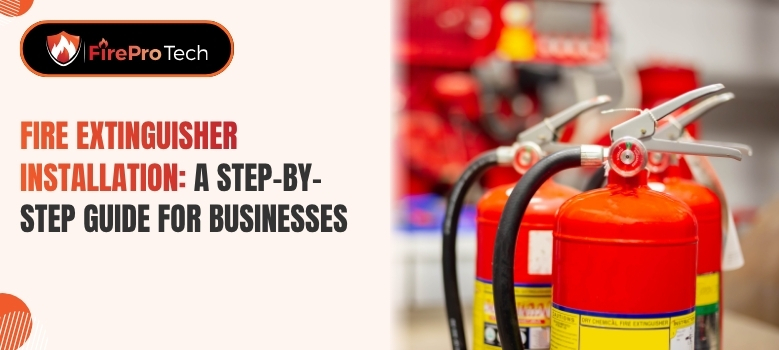
Best Fire extinguisher installation is a practical business decision when you need reliable first-response protection without creating confusion about placement, equipment selection, or ongoing responsibilities.
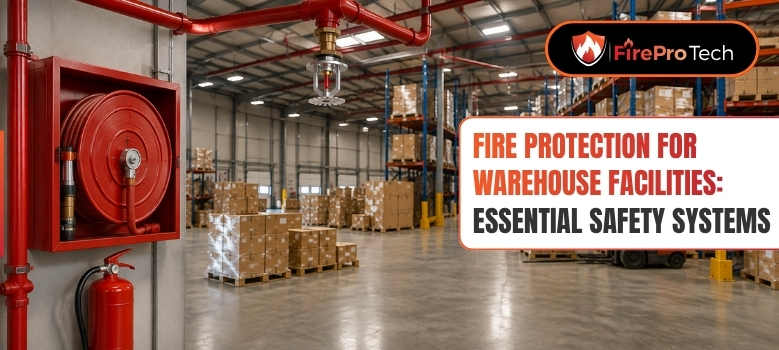
Fire protection for warehouse facilities can become difficult to manage when storage layouts change, inventory increases, or inspections are treated as paperwork rather than risk control.